The AFCON Title Controversy: A Shift in Authority
The Confederation of African Football (CAF) has recently made headlines by stripping Senegal of the Africa Cup of Nations (AFCON) title and awarding it to Morocco, the defeated finalists. This decision, while perhaps aimed at correcting a perceived injustice from a tumultuous final match held on January 18 in Rabat, has raised significant concerns about the integrity and governance of African football. The final was marked by chaos, including a walk-off by Senegal's players in protest of a controversial penalty awarded to Morocco in the dying moments of the match, which ultimately led to Morocco's victory after extra time. This incident has not only altered the trajectory of the tournament but also left a lasting impact on the reputation of CAF itself.
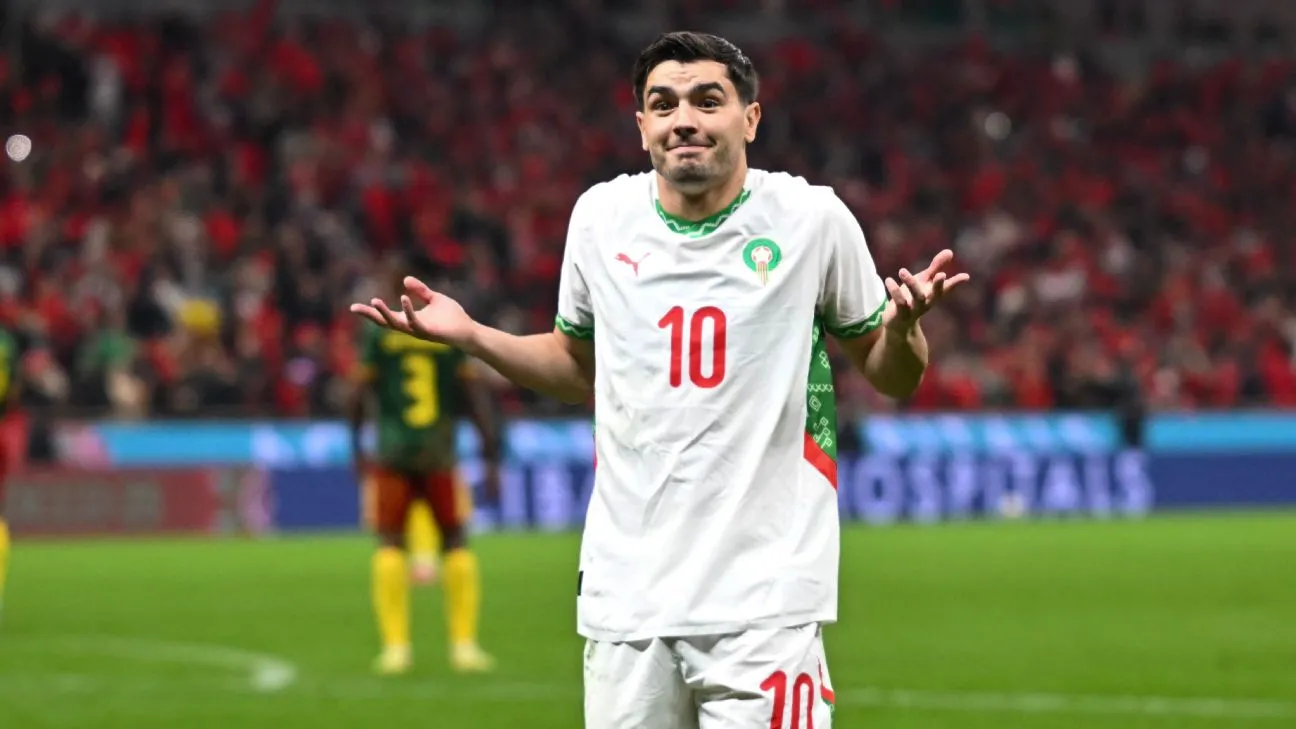
The final was far from a conventional sporting event; it was marred by off-field violence, a display of leadership from Senegal's Sadio Mané urging his team back onto the pitch, and a series of decisions that have now come under scrutiny. The atmosphere was charged, with Senegal's supporters clashing with Moroccan authorities, and a sense of injustice permeating the stadium. The contentious awarding of a penalty, followed by a missed attempt by Brahim Díaz, culminated in a dramatic conclusion that saw Senegal crowned champions amidst an unresolved cloud of controversy. The initial joy of Senegal's victory has now been overshadowed by questions regarding the legitimacy of the title.
CAF's Regulatory Dilemma and the Aftermath
CAF's decision to overturn the title was grounded in a strict interpretation of the tournament regulations, specifically Article 82, which states that a team that withdraws or refuses to play can be considered a loser. However, the nuances of the situation reveal a more complex narrative. While Senegal did protest, their actions did not constitute a complete abandonment of the match. The referee, Jean-Jacques Ndala, opted to continue the game, allowing play to resume after the altercations had cooled down. This key moment raises critical questions about the authority of match officials and the finality of their decisions. If the governing body can overturn a referee's ruling months after the fact, it sets a concerning precedent for future tournaments and the overall integrity of the sport.
The timing of this ruling, occurring two months after Senegal lifted the trophy, has further complicated the matter. The decision to retroactively strip the title appears to lack clarity and has ignited debates around governance within CAF. Accusations of poor management and corruption have been amplified by this incident, threatening to erode public confidence in African football's governing body. The ramifications extend beyond the title itself; they have tarnished the legacy of the tournament and the essence of competition on the continent. As celebrations erupted on Moroccan social media, the sentiment from Senegal's supporters remains one of disbelief and anger, questioning the validity of Morocco's newly awarded title.
In essence, the fallout from this decision will likely linger for an extended period, with implications for the future of African football governance. The possibility of an appeal to the Court of Arbitration for Sport (CAS) looms large, as many expect that this controversial ruling may be overturned once again, highlighting the ongoing struggle for authority and legitimacy within CAF. While Morocco may celebrate their unexpected title, the broader implications of this saga are far-reaching and may redefine how African football is perceived both on the continent and globally. The question remains: what will it take for CAF to restore faith in its governance and the sanctity of its tournaments?
As reported by espn.co.uk.