
The Tensions Surrounding the 2030 World Cup Final Hosting Rights
The competition for hosting the 2030 FIFA World Cup final has ignited a significant debate between Spain and Morocco. Spain claims it has the right to host the prestigious event, asserting that the trophy should be lifted on its own soil. In contrast, Morocco argues that it is the more suitable candidate, citing its readiness, infrastructure capabilities, and the positive image FIFA wishes to project. However, this discussion is overshadowed by recent incidents of racism within Spanish stadiums, raising a crucial ethical question: "Is it appropriate to award such a globally unifying event to a country with a troubling record on racism?" This question has gained even more traction following the remarks made by Brazilian player Vinicius Junior, who stated that Spain should lose its hosting rights unless it takes meaningful steps to combat racism. The backlash from Spanish media at the time was fierce, but subsequent events have lent credence to his concerns, making the debate increasingly relevant.
Morocco has leveraged its successful hosting of the 2025 Africa Cup of Nations as evidence of its organizational strengths, demonstrating modern stadiums and efficient management. This has sent a clear message that the 2030 final could find a safe and contemporary home in Morocco, situated on the southern Mediterranean coast.
The Ongoing Battle Against Racism in Spanish Football
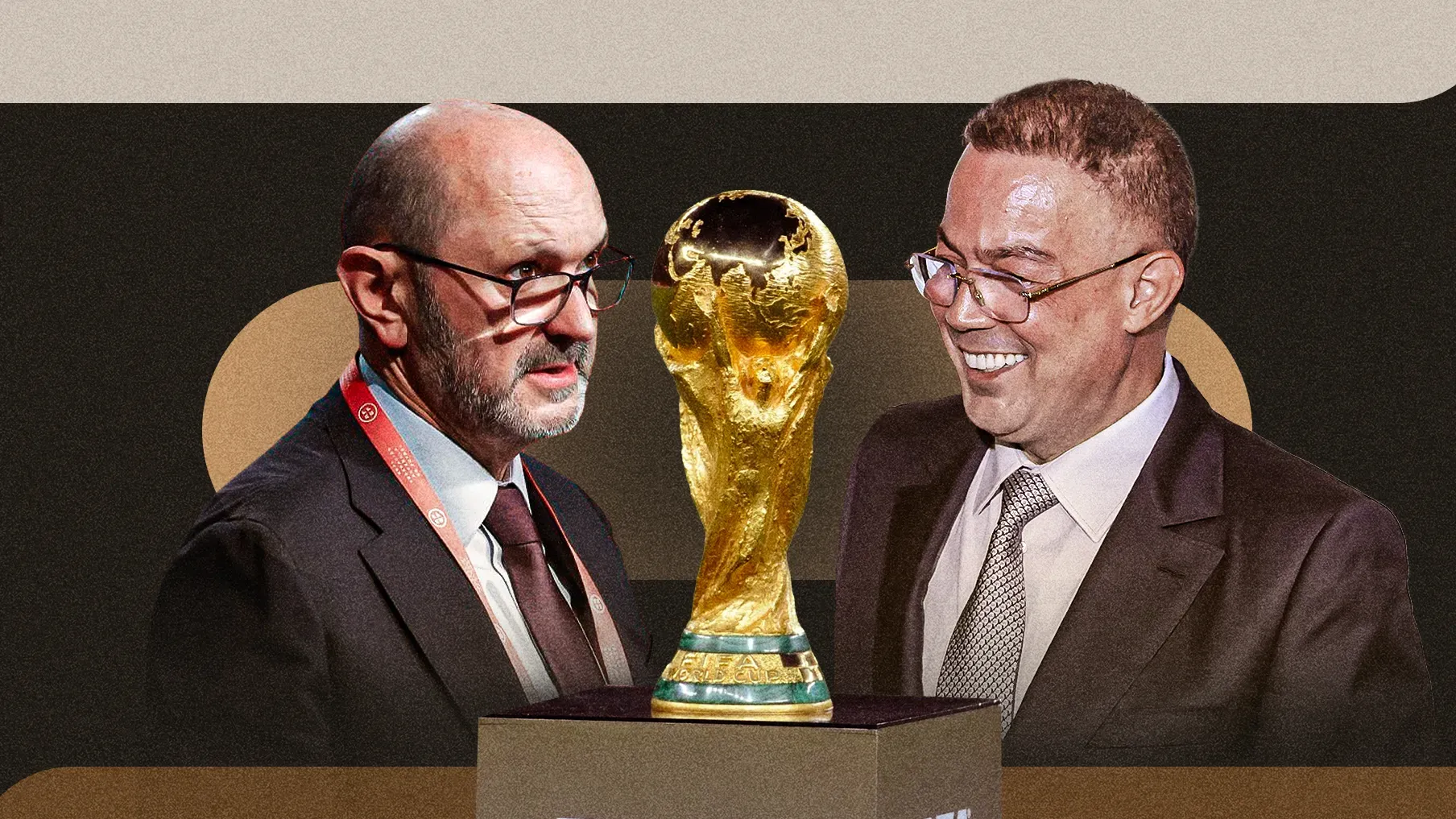
The FIFA decision to award the 2030 World Cup to a joint bid from Spain, Portugal, and Morocco—with symbolic opening matches scheduled in Argentina, Uruguay, and Paraguay—has intensified the rivalry between Madrid and Rabat regarding the final venue. Spanish Football Federation president Rafael Louzán has repeatedly stated his belief that Spain will host the final, deeming it "impossible" to justify not awarding the match to a country he views as highly capable in terms of organization. He anticipates that the final will be held at iconic venues such as the Santiago Bernabéu or Camp Nou, both of which are undergoing upgrades. Conversely, Fouzi Lekjaa, president of the Royal Moroccan Federation, has made it clear that he envisions the final taking place at the new Casablanca stadium, which is expected to accommodate around 115,000 spectators. His stance indicates that Morocco refuses to play a secondary role in this historic bid.
The final host city remains undetermined, as FIFA typically makes this decision about two years before the tournament, allowing room for discussions to evolve based on future developments. The conversation surrounding racism has been reignited following several incidents, notably a friendly match between Spain and Egypt, where a segment of the crowd chanted derogatory slogans targeting Muslims. This led to police investigations and a condemnation from the Spanish Football Federation, highlighting that such expressions have no place in sports.
Vinicius Junior has emerged as a prominent figure in the fight against racism in Spanish football, particularly after a series of disgraceful incidents directed at him and others. His calls for accountability have gained traction, especially given the harsh reality that systemic racism continues to plague stadiums across Spain. On the other hand, Moroccan players and officials have been vocal in their condemnation of the racist behavior observed, emphasizing the need for respect and inclusion in sports. The growing chorus of voices against racism, including those from within the Spanish league, suggests that this issue cannot be overlooked, especially when considering Spain's aspirations to host the World Cup final.
As reported by goal.com.