
The Humanitarian Situation in Ceuta
Upon disembarking from the ferry at Ceuta, a Spanish enclave on the North African coast, one is immediately confronted with a profound humanitarian crisis. Migrants swarm from all directions, not seeking alms but rather indicating their desperate need for food, a poignant reminder of their plight. Within a mere twenty minutes of arrival, one encounters hundreds of individuals, predominantly men from Morocco and sub-Saharan Africa, who have flocked to this small city of 84,000. At the end of July, reports indicate that between 80,000 and 100,000 undocumented migrants entered Ceuta, with only a fraction—between 8,000 and 12,000—remaining, many of whom are unaccompanied minors. The streets and public spaces are crowded with these individuals, who sit on benches, linger in parks, and cluster in squares, their expressions a mix of confusion and hopelessness as they clutch smartphones amidst their dire circumstances.
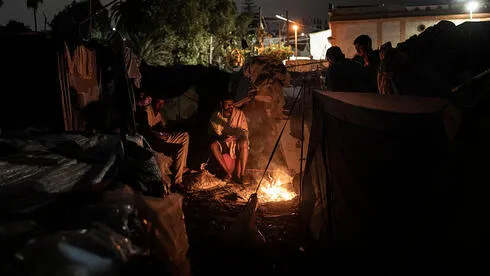
The situation has spiraled into chaos, with local police and Spanish troops deployed to maintain order as tensions rise. Makeshift camps have sprung up, most notably at Playa del Trampolín, a location symbolic of the migrants' hopes to use Ceuta as a gateway to Europe. Here, thousands have settled in squalid conditions, with inadequate access to food, water, and hygiene. The local reception center, designed to accommodate 500, is overwhelmed, housing approximately 800 individuals, including vulnerable groups such as women and pregnant minors. Many migrants are forced to navigate life on the streets, often sustaining injuries that go untreated while they search for any semblance of safety.
The Underlying Causes of the Migration Surge
The mass influx of migrants has raised numerous questions regarding its causes. Speculation abounds as to why this crisis emerged so suddenly, with some attributing it to socio-political dynamics in Morocco. Economic hardships plague the nation, particularly among the youth, where unemployment rates soar to around 35%. The stark contrast in living conditions between Morocco and Ceuta—where annual salaries are significantly higher—fuels the desire to migrate. Recent political events, including the Spanish government's immigration policy changes and diplomatic relations with Morocco, have further complicated the situation. On July 30, coinciding with King Mohammed VI's speech advocating for prosperity, tens of thousands of young Moroccans embarked on perilous journeys toward Ceuta, risking their lives in the process. Tragically, many did not survive the crossing, as bodies washed ashore, a grim reminder of the dangers of migration.
The socio-economic implications of this crisis extend beyond the immediate humanitarian needs. Residents of Ceuta express a mix of empathy and frustration, recognizing the economic contributions migrants can make but also fearing the potential changes to their community and identity. As the situation evolves, the call for a balanced approach to immigration—one that ensures border control while addressing humanitarian needs—grows louder. Local sentiments reveal a deep-seated conflict between compassion for those in need and the desire for stability in their own lives.
As reported by ynetnews.com.