
The Contradictory Narratives of Migration in German Media
As the vast majority of German media continues to advocate for increased mass immigration, a few programs occasionally surface that challenge the prevailing narrative surrounding the reasons for large-scale migration. The time has come for significant repatriations, regardless of political affiliations. The pressure on critical media outlets is mounting, and their role in shaping public discourse cannot be overstated.
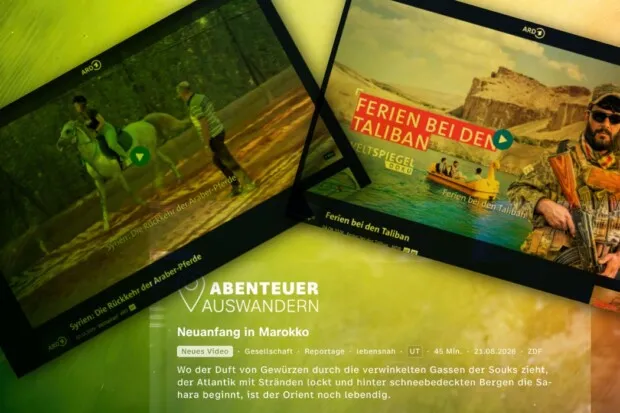
The ZDF recently illustrated how thin the line has become between reporting and political propaganda. Just weeks after a massive influx of migrants into the Spanish enclave of Ceuta, the network aired a 43-minute documentary titled "Adventures of Emigration: New Beginnings in Morocco," which at times felt more like a promotional video for Moroccan tourism than a balanced news report. The documentary painted a picturesque image of Morocco, showcasing the "scent of spices" wafting through the souks and the inviting beaches along the Atlantic coast. It presented a narrative where individuals were so enamored with Morocco that they chose to settle there permanently, including a German hotelier in Marrakech and a photographer celebrating the vibrant life in Casablanca.
While this portrayal of Morocco as a land of opportunity is entirely valid, it starkly contrasts with the otherwise bleak media depiction of the country as an unsafe and undesirable place. The timing of the broadcast—airing at 12:45 AM, when viewership is low—suggests an attempt to obscure this contradiction from a broader audience. In late July, more than 80,000 people surged across the border into Ceuta, prompting the German media to immediately attribute this mass movement to social upheaval. Reports, such as one from Tagesschau titled "Morocco's Youth See No Future at Home," featured a 25-year-old discussing his dreams of a better life in Europe, despite working in a textile factory for meager pay—an argument that raises a question about why German youths are not flocking to Morocco under similar circumstances.
The ZDF framed the invasion as a testament to the strong desire for a better life in Europe, elaborating on potential social causes. Yet, weeks later, the same station depicted Morocco as a land so hopeless that Germans willingly emigrate there to establish businesses and find a new home. This duality raises critical questions: Is Morocco a perilous hellscape that cannot receive deportees, or is it a country full of opportunities with significantly less bureaucratic red tape for those willing to invest in their future?
Such contradictions are not isolated. The ARD aired a documentary titled "Holidays with the Taliban," showcasing international tourists traversing Afghanistan five years post-Taliban takeover. The ARD correspondent emphasized the hospitality of the locals and the stunning landscapes, claiming it is "relatively safe" to visit. This narrative challenges the long-standing portrayal of Afghanistan as a no-go zone, particularly in light of recent deportations of Afghan nationals by the German government, which is now considering returning not just criminals but also non-offenders.
Similarly, when German officials visit Syria, they are often photographed amidst the ruins of recently devastated areas, perpetuating the notion that the country is uninhabitable. Yet, reports have emerged of a thriving life in regions like Northern Syria, where individuals are rebuilding their lives despite the war's aftermath. The media's representation of these countries often lacks the nuance required to convey the complexities of post-war recovery and the realities faced by returnees.
In conclusion, the juxtaposition of these narratives raises pivotal questions about the integrity of the media’s representation of immigration and repatriation. As ongoing discussions about asylum rights and migration policies unfold, it is clear that a reevaluation of how these issues are portrayed is necessary. The persistent depiction of countries as unlivable, while simultaneously showcasing individuals who thrive there, creates a paradox that must be addressed. The individual right to asylum, as it stands, may need to be reconsidered in light of these contrasting realities.
As reported by tichyseinblick.de.