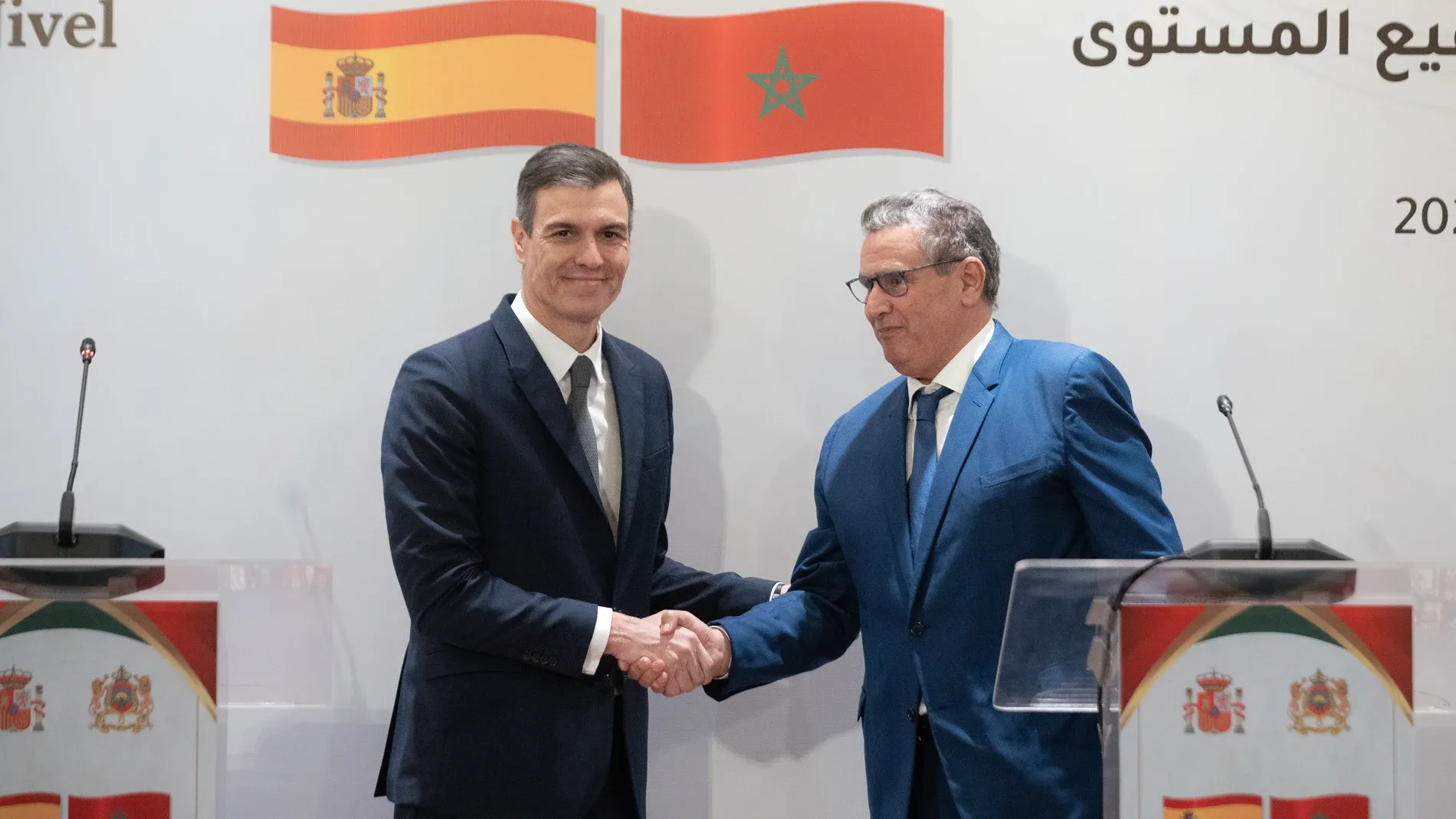

The Evolution of Spain-Morocco Relations Under Pedro Sánchez
The diplomatic relationship between Spain and Morocco has undergone a significant transformation in recent years, particularly during Pedro Sánchez's tenure as Prime Minister. Unlike his predecessors, who traditionally made Rabat their first official visit, Sánchez chose France, marking a notable deviation from established diplomatic norms. This decision not only upset the Moroccan regime but also signified a pivotal moment in the dynamics of Spanish foreign policy. Previous Spanish administrations, from Adolfo Suárez to Mariano Rajoy, aimed to cultivate a close relationship with Morocco, often described as both 'uncomfortable' and essential. This was typically achieved through a careful approach that avoided confrontations while maintaining a level of mutual respect.
However, Sánchez's approach has been anything but straightforward. Over his eight years in office, he has navigated a complex path, oscillating between provoking King Mohammed VI and showering him with diplomatic affection. The turning point came in 2022 when relations were at an all-time low. During the height of the COVID-19 pandemic, the Spanish government granted entry to Brahim Gali, the leader of the Polisario Front, citing humanitarian reasons. This decision was perceived by the Moroccan monarchy as a hostile act, leading to a swift retaliation that included a significant surge in immigration at the Ceuta border. Approximately 10,000 migrants crossed into Spanish territory in a move that sparked a tense diplomatic crisis, reminiscent of historical confrontations such as the Perejil incident.
In stark contrast to his earlier criticisms of Morocco's handling of immigration, Sánchez's current stance reflects a complete reversal. Previously, he condemned Morocco's attempts to exert political pressure through migration, declaring it unacceptable to jeopardize Spanish borders. Yet, as tensions escalated, the Spanish government refrained from holding Morocco accountable for the influx of migrants, opting instead to commend the Moroccan regime. Sánchez's administration has shifted its narrative, characterized by repeated affirmations of Morocco as a 'trustworthy and loyal partner', even in the face of challenges to Spanish sovereignty over Ceuta and Melilla.
A Complicated Diplomatic Landscape
In July 2022, following a year of diplomatic turmoil, Sánchez initiated a reconciliation process without prior discussion in the Council of Ministers or informing the Congress of Deputies. A pivotal letter from Sánchez to King Mohammed VI marked Spain's departure from its longstanding position regarding Western Sahara, effectively recognizing Moroccan sovereignty over the territory. This significant policy shift was met with both surprise and approval from various political quarters, leading to renewed cooperation between the two nations.
Since then, Sánchez has actively supported Morocco's bid to co-host the 2030 FIFA World Cup and has participated in high-profile engagements, such as spending time in Marrakech during his family vacations. Additionally, Spain's Interior Minister has awarded honors to key Moroccan officials, including the head of Moroccan intelligence, Abdellatif Hammouchi. The stark contrast between the government's responses during previous crises and the recent July immigration surge, where no public criticism was directed at Morocco, highlights a profound change in diplomatic strategy.
The current Spanish administration's unwavering praise for Morocco, despite ongoing challenges related to immigration and sovereignty, signifies a new chapter in bilateral relations. This comprehensive shift is emblematic of a broader strategic realignment that prioritizes cooperation over confrontation, aiming to stabilize a historically tumultuous relationship.
As reported by larazon.es.