
The New Economic Landscape of Morocco
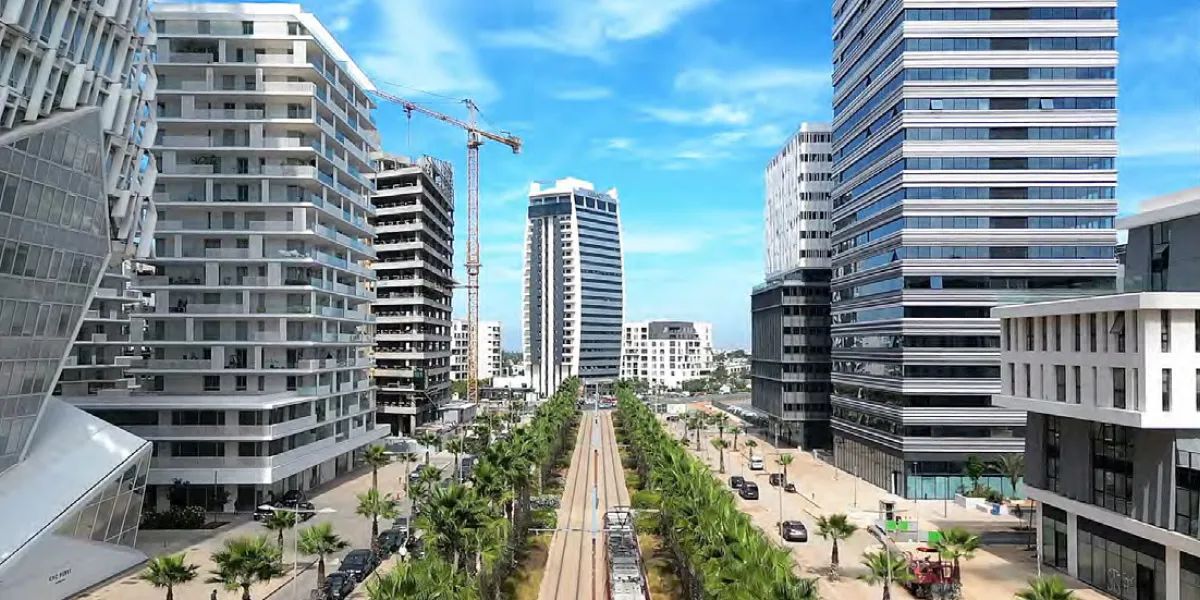
The latest regional economic accounts released by the High Commission for Planning reveal a significant shift in Morocco's economic geography, particularly in relation to its major urban centers. While it is well-acknowledged that the regions of Casablanca-Settat, Rabat-Salé-Kénitra, and Tanger-Tétouan-Al Hoceima collectively account for nearly 60% of the national GDP, this statistic alone does not capture the full narrative of Morocco's development. Instead of merely highlighting an economic divide, these figures illustrate a profound transformation in which wealth generation is increasingly driven by investment rather than historical or demographic factors.
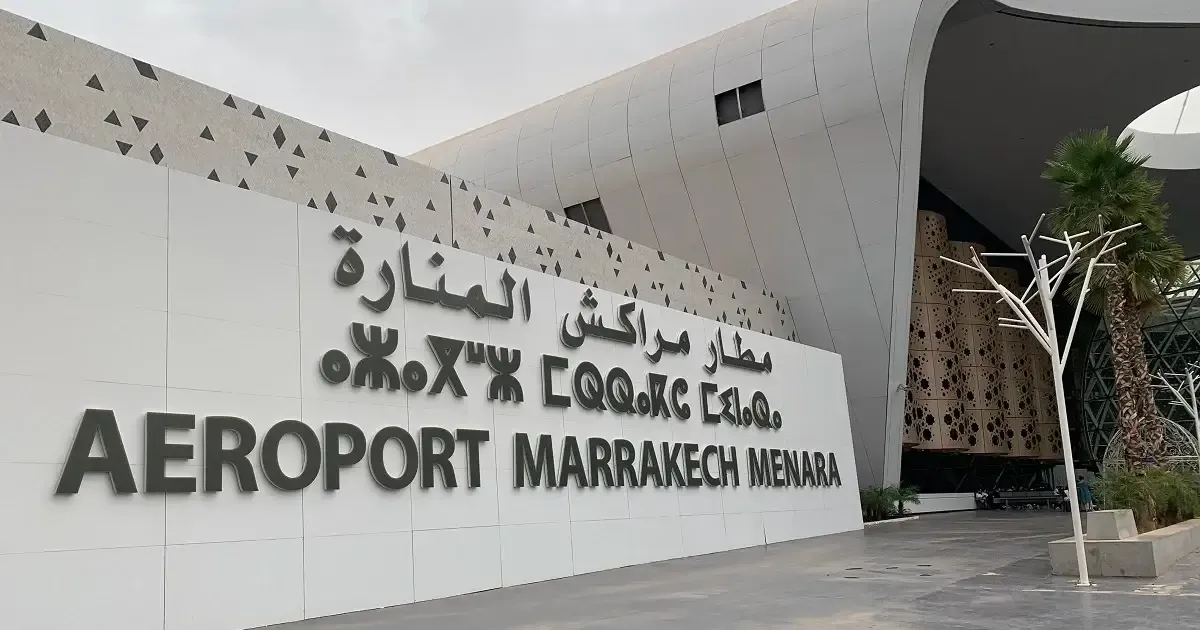
Over the past two decades, Morocco has witnessed a remarkable evolution in its economic structure, characterized by the establishment of industrial ports, extensive logistics infrastructures, and energy platforms. The mapping of GDP now closely aligns with where significant investments have been channeled, showcasing a dynamic shift from traditional economic centers to emerging growth hubs. For instance, Tanger has emerged as a formidable industrial and logistical powerhouse, while Marrakech solidifies its status as a premier tourist destination. The Souss-Massa region emphasizes its agricultural capabilities, and the Southern provinces are advancing rapidly, driven by fisheries and infrastructural improvements.
Challenges and Opportunities in Economic Distribution
This evolving landscape raises important questions about the implications of having three regions generate approximately six dirhams of wealth for every ten in the country. On one hand, there is a legitimate concern that this concentration could stifle growth in less developed areas, potentially creating economic bottlenecks. On the other hand, if this concentration serves as a foundation for the emergence of new development poles, it could ultimately foster a more balanced national prosperity.
Historically, the world's most successful economies have relied on the strength of their metropolitan areas. The critical lesson from the current regional accounts is not to diminish the capacity of established economic hubs but rather to cultivate additional centers of growth. As Morocco sets its sights on the objectives set for 2030, success will not solely be measured by the economic weight of cities like Casablanca, Rabat, or Tangier. Instead, it will hinge on the ability of cities such as Agadir, Fès, Nador, Dakhla, and Laâyoune to sustainably integrate into the broader framework of national growth engines. Achieving this balance is key to ensuring that prosperity is not just an urban phenomenon but rather a national reality.
As reported by leseco.ma.