
The Rise of Voter Apathy in Morocco's Elections
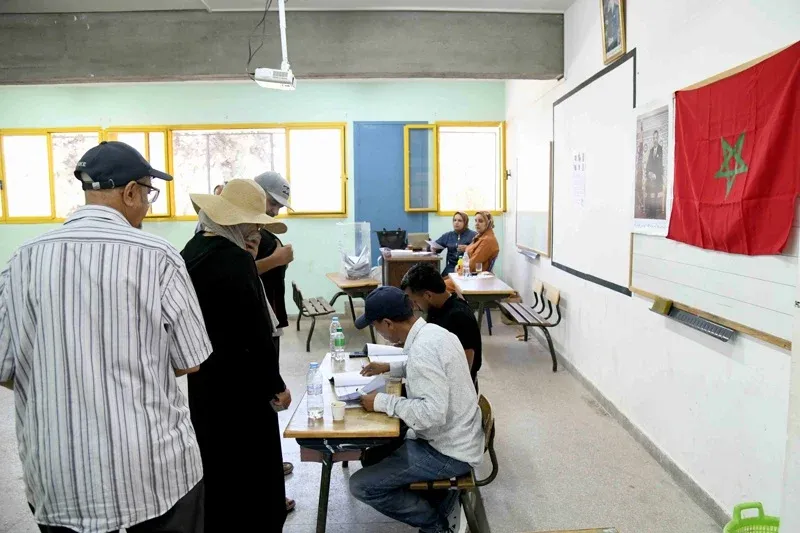
The recent parliamentary elections held in Morocco revealed a disappointing voter turnout of only 38%, a figure that has sparked renewed discussions about the phenomenon of electoral apathy within the nation. This turnout not only fell short of expectations but also marked the lowest participation rate in legislative elections since the introduction of the 2011 constitution. Such statistics have reignited public discourse regarding the effectiveness of political institutions and the engagement of citizens in the democratic process.
The National Council of Human Rights has described this turnout as a "warning" to elected institutions, urging them to reflect on their activities, rhetoric, and operational strategies. This call for introspection highlights the disconnect between political participation and the realization of political rights, raising concerns about the diminishing trust in the electoral process and its perceived outcomes.
Approximately 6 million voters participated in the elections out of a total of 15,801,162 registered voters, according to the Ministry of the Interior. Interestingly, the turnout was notably higher in the southern regions of the country, suggesting regional disparities in political engagement. Political analyst Hafid Zahri, a professor of public law, emphasized that the decline in voter participation compared to previous elections post-2011 serves as a coded message to political parties, indicating their failure to adequately mobilize and educate the electorate despite receiving public funding for such initiatives.
Zahri further criticized the tendency of political parties to only engage with citizens during election seasons, labeling this approach as "political opportunism." He warned that without a shift in their communication strategies to foster closer relationships with the electorate, these parties risk losing significant support. Moreover, he stressed that the low turnout is a signal to Moroccan civil society and political entities about the critical danger facing the democratic process: an alarming trend of withdrawal from political engagement, which in itself represents a form of political stance.
In a similar vein, political scientist Mohamed Ghali pointed out that the 38% participation rate places collective responsibility on all stakeholders, from voters to elected officials, and the institutions overseeing the electoral framework. This figure reflects not only a numerical shortfall but also a sentiment among non-participants regarding the efficacy of their votes and their ability to effect change. Ghali advocates for a thorough investigation into the root causes behind the stagnation of voter engagement at this low level, suggesting that it fails to capture the significance and momentum that the 2026 legislative elections were expected to generate.
As reported by hespress.com.