
Rethinking Parental Involvement in Education
The world of education has witnessed significant changes over the years, especially regarding the role of parents in their children's academic journey. In a reflective narrative, an individual recalls the stark contrast between their own experiences as a child in the 1970s and the current environment where parental involvement often becomes excessive. The narrative emphasizes that back in their day, children were encouraged to navigate their educational paths independently, without the constant presence of parents or guardians. This was particularly evident during important events such as the primary school graduation exams, where children managed their own affairs, embodying a sense of maturity and responsibility.
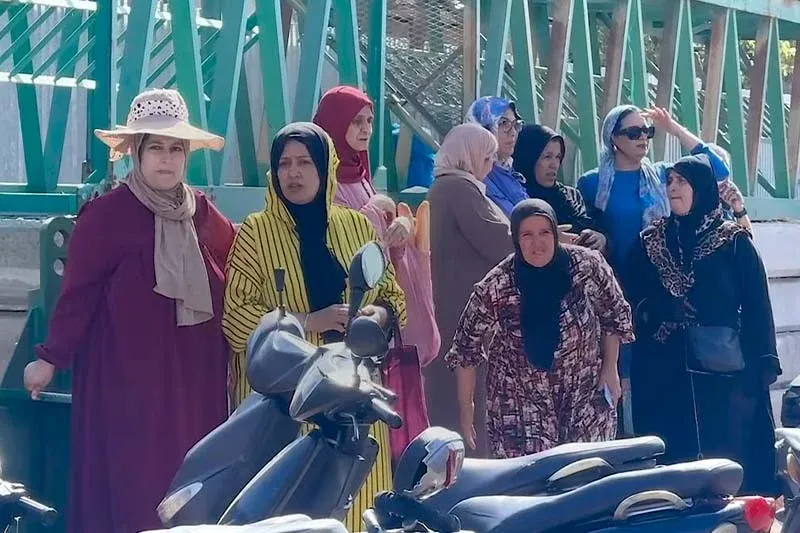
The author points out a growing trend where modern parents, particularly mothers, accompany their children even to the school gates during middle school years, waiting for them to finish classes and escorting them home. This phenomenon is further accentuated by the gatherings of mothers outside schools in working-class neighborhoods, where they engage in conversations about local issues while waiting for their children. Such scenes, although rooted in care, reflect a shift towards increased parental oversight that some argue may hinder children's development of independence and resilience.
Generational Challenges and Personal Growth
The writer expresses concern that this trend of hyper-involvement may produce a generation lacking in self-reliance and problem-solving skills. They argue that children today may grow up with weak personalities, relying heavily on their parents for support rather than learning to face challenges independently. The author reflects on their own upbringing, where reliance was placed solely on faith and personal initiative, leading to a profound understanding of responsibility and self-management. They believed that encountering and overcoming life's challenges without parental intervention cultivated essential life skills.
The narrative serves as a reminder that while parental support is crucial, it is equally important for parents to allow their children to learn from life's experiences. The author suggests that parents should adopt a more observant role, stepping back to let their children confront difficulties and learn valuable lessons. This balance of support and independence is essential for fostering resilience and preparing children for the complexities of adult life.
Finally, the discussion touches on the chaos created by parents at school gates, which often obstructs access for students and monitoring staff alike. Such behaviors, while well-intentioned, illustrate the need for a reevaluation of how parental involvement is structured in education to ensure that it enhances rather than hinders the learning environment.
As reported by hespress.com.