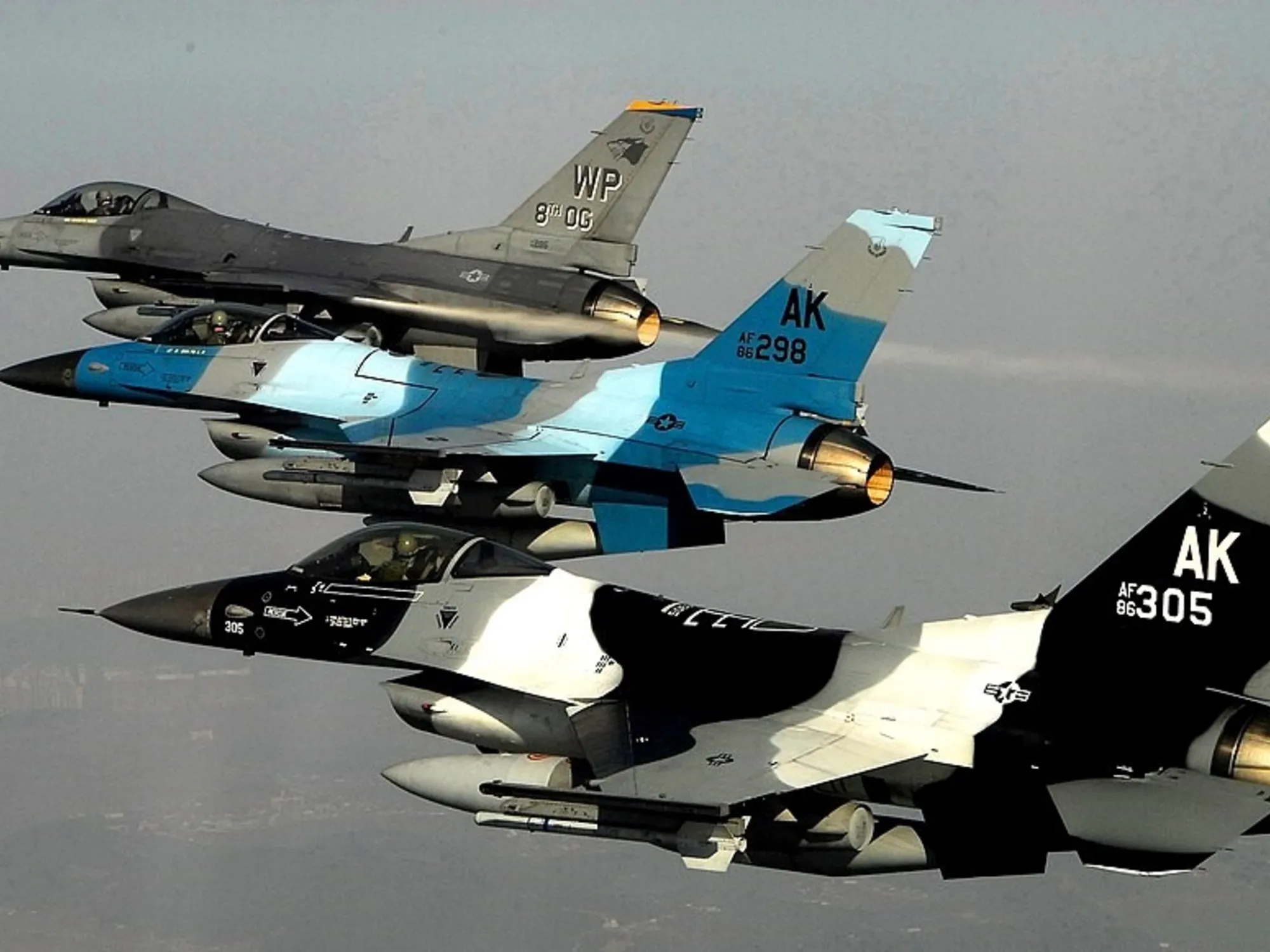

The Transformation of F-16 Fighter Jets: A Comparison of Generations
Sergio Hidalgo, a prominent aerospace engineer, recently shed light on the significant differences between modern and older models of the F-16 fighter jet, drawing a striking analogy between the advancements in aircraft technology and the evolution of smartphones. In a discussion regarding Morocco's recent acquisition of 25 new F-16s from the United States, Hidalgo emphasized that the gap between the older and newer models is akin to the difference between an iPhone 15 and an iPhone 3. Despite sharing a similar silhouette and name, the technological advancements in the new F-16s surpass those of older variants in numerous ways, including radar systems, avionics, and combat software.
Hidalgo's insights come at a time when Morocco is set to enhance its air force capabilities significantly. The newly purchased F-16s are not merely additional units; they represent a leap in operational effectiveness and technological sophistication. The engineer noted that while the external appearance of the jets may be similar, the internal systems have undergone drastic improvements, enabling the newer models to process information and engage in combat far more effectively than their predecessors.
Understanding the Implications of Aircraft Acquisition
Furthermore, Hidalgo provided a realistic assessment of what these new aircraft mean for Morocco's military readiness. He indicated that due to maintenance protocols, the country would likely have around two-thirds of its new fleet operational at any given time, translating to approximately 16 or 17 jets available for deployment. This is crucial information for understanding the actual strength of a nation's air force, as the total number of aircraft does not equate to their combat readiness.
In addition to discussing the capabilities of the F-16s, the conversation delved into a prevalent myth regarding the United States' ability to remotely disable these jets. Hidalgo clarified that while there is no literal 'kill switch' for the aircraft, the reliance on U.S. technology for software updates and parts does create a vulnerability. Modern fighter jets operate as complex computers that require regular updates to maintain their operational status. Should the supply of parts or updates be interrupted, the aircraft would not cease functioning immediately but would become increasingly challenging to operate effectively over time. This situation mirrors the fate of the Iranian F-14s, which became obsolete following the cessation of U.S. support.
As reported by clarin.com.