Revisiting Earth Construction Standards in Morocco After the Al Haouz Earthquake
In the wake of the devastating Al Haouz earthquake, Morocco's Ministry of National Land Planning, Urbanism, Housing, and City Policy is re-evaluating its earth construction code, particularly in terms of seismic safety. This proposed revision has ignited intense debate among professionals regarding the standardization of this traditional building method. The pressing question now arises: is it truly necessary to impose new standards on an ancient construction technique?
Following the institutional mobilization post-Al Haouz earthquake, the Ministry of Housing and Urban Planning is considering updating the seismic construction regulations (known as the **RPS 2000**) and establishing a new regulatory framework for earth construction (the **REB 2025**). This initiative aims to enhance the existing regulatory framework of earth construction (the **RPACTerre 2011** and **RPCTerre 2011**) to create a more normative and technical approach for architects, engineers, and technicians engaged in the design and structural assessment of earth buildings.
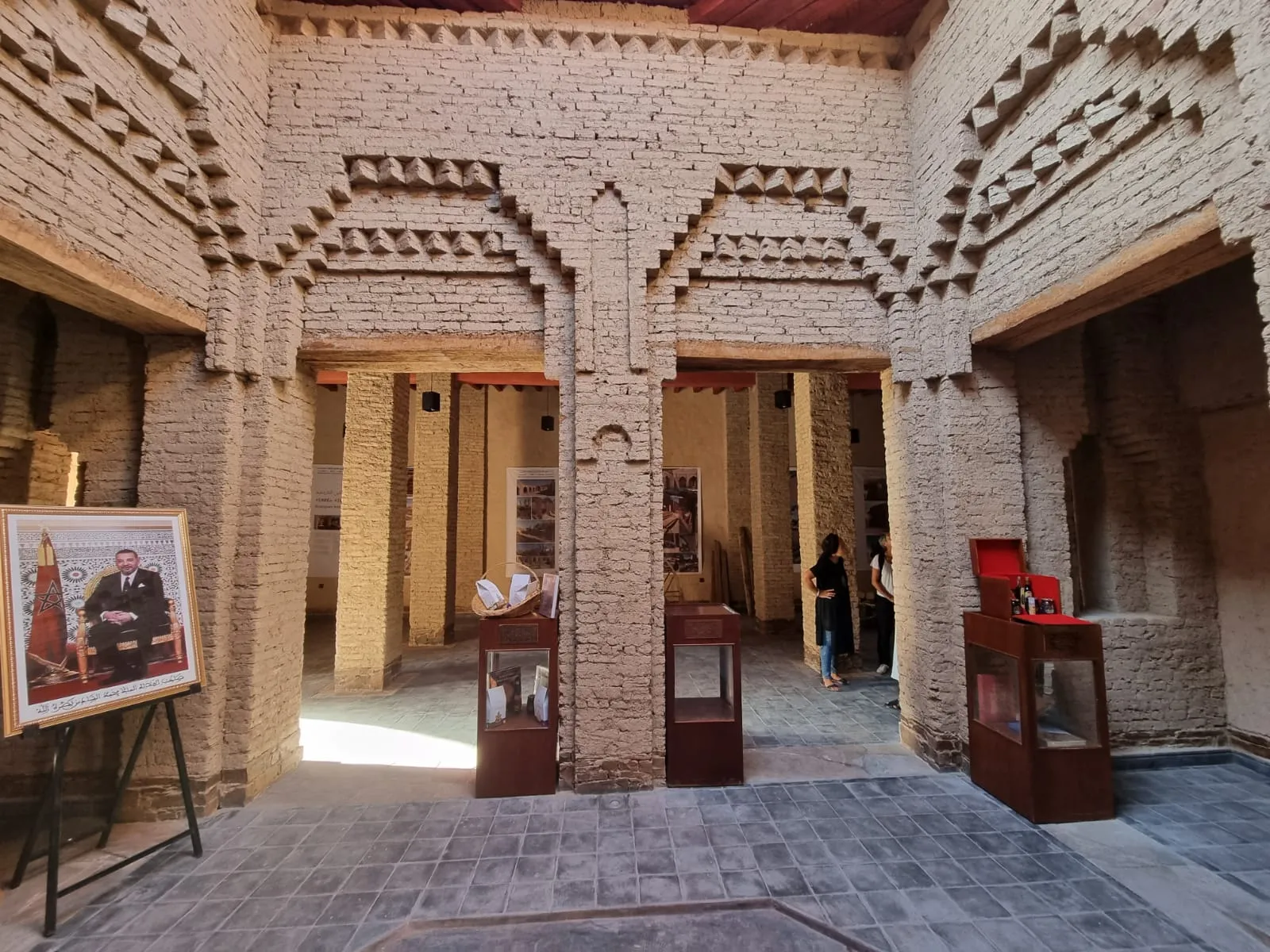
Earth construction, particularly the technique known as rammed earth, represents a rich ancestral heritage originating in North Africa before spreading to Europe. Preserving this craft is especially crucial in Morocco, which is home to some of the oldest and most iconic sites that utilize this construction method, benefiting not only the local culture but also the tourism sector. Among the most renowned rammed earth constructions globally is the **Ksar of Aït-ben-Haddou**, located in the Ouarzazate region. Recognized for its universal value by UNESCO, it was classified as a World Heritage site in 1987, celebrated as a perfect synthesis of earth architecture from Morocco's pre-Saharan regions.
The Implications of the REB 2025 Reform on Earth Construction
Although the proposed regulatory framework has not yet been adopted, it has sparked discussions among professionals who fear it may represent a regression rather than progress. Critics argue that it would complicate procedures under the guise of safety and potentially overlook the opportunities that these traditional techniques present, not only for the restoration of exceptional heritage but also for creating innovative contemporary projects using rammed earth.
Consulted for insights, Dr. **Salima Naji**, an architect and anthropologist renowned for her work in sustainable architecture, expressed concerns that the new framework lacks flexibility and needs revision. "The new code is not truly novel, as the previous one already positioned us among countries with excellent construction codes. We should not replace it with a new standard that offers little more than a new date but should appreciate the work of the expert committee that previously collaborated closely with engineers from both the Ministry of Equipment and the Ministry of Housing," she remarked.
Dr. Naji further emphasized that the project is heavily prescriptive, drawing inspiration from unrecognized international standards that contradict the quality of raw earth, which is complex and dynamic. Many countries have chosen to avoid imposing rigid standards in earth construction, instead relying on the experience, experimentation, and responsibility of engineers and artisans. This pragmatic approach is founded on field observations and practical tests rather than fixed normative models.
She argued that the unique characteristics of earth construction warrant recognition and documentation rather than standardization. "We cannot bow to a code that limits creativity to stabilized rammed earth, which bears no relation to our heritage, nor to short-term solutions that fail to acknowledge the proven longevity and resilience of this material," she stated.
To illustrate her point, Dr. Naji noted that the existing regulatory frameworks, including **RPCTerre 2011** (for projects requiring the involvement of an architect or specialized engineer) and **RPACTerre 2011** (for self-construction), were sufficient and adequately accounted for seismic factors, resulting from a collaboration between the housing ministry and the equipment ministry.
She highlighted that many of her projects, such as the Souk Tablaba and museums in Tiznit and Tata, successfully blend contemporary and historical designs while respecting the existing regulatory framework.
As experts continue to debate the merits of the proposed REB 2025, the overarching question remains: how can Morocco balance the preservation of its rich construction heritage with the need for modern safety standards? The answer may lie in fostering a collaborative approach that values local knowledge and expertise while integrating contemporary safety considerations.
As reported by medias24.com.