
The Ring: A Platform for Unfiltered Political Debate
'The Ring' represents Euronews' weekly political debate show, where the most pressing discussions in Europe meet the boldest voices. Every episode features heavyweight political figures from across the EU, engaging in spirited exchanges to represent divergent opinions and stimulate conversations on key EU political issues. The format is refreshingly straightforward—no filters, no political bias, and no commentary, just the story as it unfolds.
Addressing Europe's Water Challenges and Climate Data Trends
In addition to political discourse, Euronews dives deep into pressing environmental issues, particularly focusing on water resources in Europe, which are under increasing strain due to pollution, droughts, and flooding. The network takes viewers on a journey across the continent to highlight the importance of protecting ecosystems, improving wastewater management, and discovering innovative water solutions. Through a combination of video reports, animated explanations, and live discussions, Euronews emphasizes the critical nature of water resources.
Furthermore, Euronews presents the latest climate data from the world's top sources, analyzing trends and inviting experts to shed light on the transformations occurring globally. The urgency to find new strategies to combat climate change is paramount, making these discussions essential for understanding the current landscape.
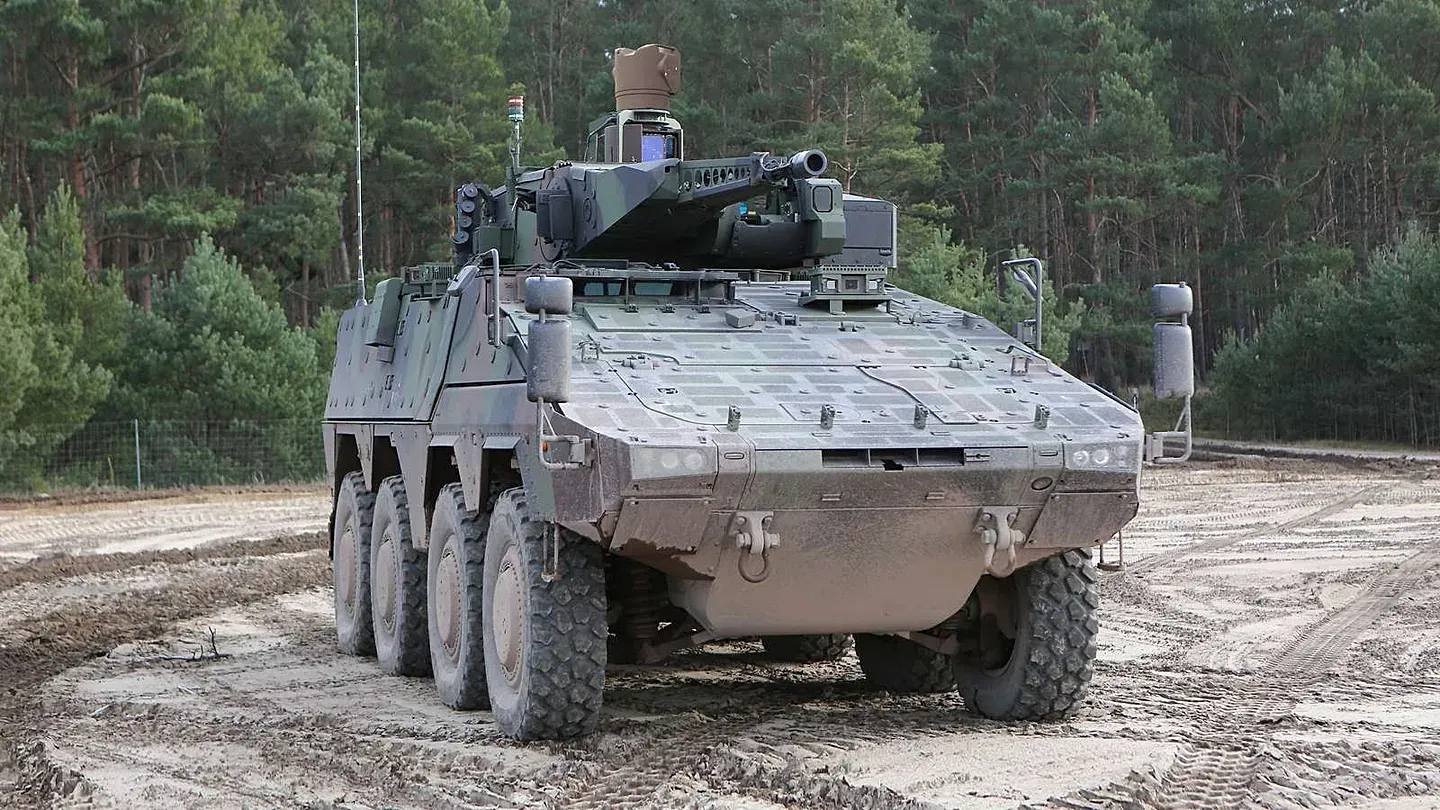
In the realm of military development, the German Armed Forces are embracing a new era with the introduction of the 'Jackal' armored vehicle. More than just a new addition to their fleet, the Jackal represents a core component of the 'Medium Forces' concept—an innovative military capability designed for rapid deployment while possessing significant firepower. This development is particularly crucial in light of the evolving security landscape in Europe, where the NATO Eastern Flank’s defense is of utmost importance.
The changing geopolitical situation has fundamentally altered the requirements for the Bundeswehr, prompting a renewed focus on rapid deployment capabilities and the ability to withstand threats from heavily armed adversaries. Within NATO, Germany's role in reinforcing and defending the Eastern Flank necessitates forces that can quickly cover large distances without the need for extensive transport logistics.
The Medium Forces concept aims to bridge the gap between highly mobile units and heavy armored divisions. The Jackal is positioned as the backbone of this initiative, as it combines the mobility of lighter vehicles with the firepower of heavier units. Initially, Germany ordered 150 Jackal wheeled armored vehicles, but this number has now increased to 185, reflecting a commitment to enhance operational capabilities.
The timing of this procurement is notable, as the Bundeswehr is simultaneously engaged in several major acquisition projects, including new battle tanks, artillery systems, air defense, and other protected vehicles to address gaps that have emerged over the past decades. The question arises: why does the Bundeswehr not rely solely on heavy tracked vehicles for these roles? The Jackal, based on the GTK Boxer, can traverse substantial distances on roads more swiftly than traditional heavy tanks. This combination of protection, firepower, and mobility is crucial for the Medium Forces.
The Jackal is designed to allow units to quickly transition to different operational areas without being dependent on extensive transport means for each movement. This is particularly relevant for NATO, where timely reinforcement is not just necessary; it must also arrive promptly in crisis situations.
The new vehicle is intended to fill a critical gap between different vehicle classes. On one hand, there are heavily armored tracked vehicles like the Puma infantry fighting vehicle, which offers high levels of protection and combat power but is less suited for rapid deployments over long distances. On the other hand, lighter protected vehicles, such as the Dingo, are more mobile but lack the same firepower as an infantry fighting vehicle. The Jackal aims to strike a balance—heavy enough for combat but agile enough for swift operations.
With its unique combination of chassis and armament, the Jackal utilizes the Boxer chassis and is equipped with an unmanned RCT-30 turret derived from the Puma infantry fighting vehicle, featuring a 30-millimeter automatic cannon as its primary weapon. This setup enables the vehicle to effectively engage lightly and moderately armored targets, while also providing capabilities for drone and aircraft defense, as well as an integrated guided missile system (MELLS) to tackle heavily armored adversaries. This multifaceted approach is essential for the Medium Forces, which must be capable of rapid deployment while also excelling in intense combat situations.
However, merely ordering these new vehicles does not make them operational. The Bundeswehr must also ensure that soldiers are adequately trained, spare parts and ammunition are stocked, logistics structures are established, and new units are fully formed. The first Jackals are expected to be operational by late 2027, but the complete fleet and its associated infrastructure will take longer to become fully functional. This expansion of the Jackal fleet is a long-term project, signifying a shift in the German army's focus towards re-establishing larger units capable of handling potential conventional conflicts in Europe.
The Jackal embodies a capability that the Bundeswehr increasingly recognizes as vital: rapid deployability, combined with protection and firepower, all while maintaining greater mobility than traditional heavy tracked vehicles. For those interested in a deeper look at the Bundeswehr's role on the NATO Eastern Flank, the report "German Soldiers in Lithuania: Tanks, Drones, Deterrence" offers further insights.
As reported by de.euronews.com.