
A Groundbreaking Energy Corridor for West Africa
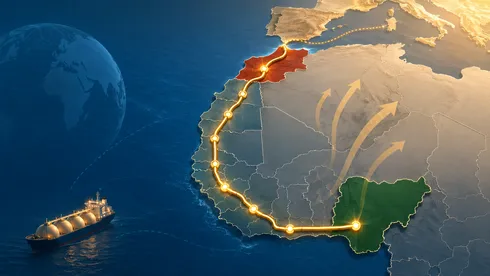
The recent signing of an intergovernmental agreement by the member states of the Economic Community of West African States (ECOWAS) in Sierra Leone in July 2026 signifies a pivotal moment in the geopolitical landscape of West Africa. This landmark agreement has officially greenlit the Nigeria-Morocco Atlantic Gas Pipeline, which is poised to serve as a transformative energy corridor stretching an impressive 6,900 kilometers. With a total annual capacity of 30 billion cubic meters and an estimated investment of $25 billion, this hybrid project, combining both offshore and onshore elements, is designed to transport natural gas from West Africa through a network of 13 coastal nations, ultimately reaching Morocco. A significant portion of this capacity, specifically 15 billion cubic meters per year, is earmarked for Moroccan industrial use and to bolster European energy grids through established maritime links to Spain.
Strategic Implications for Regional Power Dynamics
This ambitious energy initiative comes on the heels of extensive feasibility studies and advanced engineering efforts, effectively transforming a long-term strategic vision into a concrete infrastructure reality. Beyond its immediate benefits in enhancing electricity generation and fostering industrial growth across West Africa, the pipeline represents a seismic shift in the balance of power within North Africa. By securing alignment with a stable, Western-oriented energy framework, the project disrupts historical patterns of energy dependency and geopolitical fragility that have characterized the region.
From the perspective of Israeli national security, the establishment of this energy corridor signifies a pragmatic victory in the realm of realpolitik. The burgeoning relationship between Israel and Morocco, underpinned by the Abraham Accords, transcends mere symbolic diplomacy; it reflects a calculated convergence of core national interests. In a world marked by increasing instability, Israel seeks reliable partners that can project stability, maintain intelligence superiority, and secure vital trade routes. Morocco's strategic position as an economic and infrastructural linchpin along the Atlantic and Mediterranean coasts directly aligns with these essential interests. A financially resilient and energy-independent Morocco stands as a robust countermeasure against regional instability, paving the way for enhanced defense collaboration, shared intelligence frameworks, and joint technological initiatives between Israel and Morocco.
Moreover, as Morocco effectively integrates West African energy reserves into European supply chains, it solidifies its role as an indispensable security ally, ensuring that the western flank of the Arab world remains under the influence of a constructive regional power. The endorsement of this Atlantic corridor also delivers a significant blow to the strategic calculations of Algeria's military-backed regime, which has historically sought to undermine its neighbors by leveraging energy resources as a tool of political coercion. The recent pipeline agreement marks a decisive counteraction to Algeria's attempts to isolate Morocco and manipulate energy supplies.
In conclusion, the signing of the West African pipeline agreement offers profound insights for Israeli and Western strategic paradigms. In today’s interconnected world, sustainable influence is best achieved through concrete infrastructure, robust military alignment, and economic interdependence. Morocco's adept execution of this strategy illustrates how a pragmatic approach can effectively mitigate revisionist threats without resorting to military conflict. For Israel and its allies, the critical takeaway is evident: long-term security hinges on cultivating deeper relationships with regional powers that prioritize infrastructure development, economic stability, and cooperative engagement.
As reported by ynetnews.com.