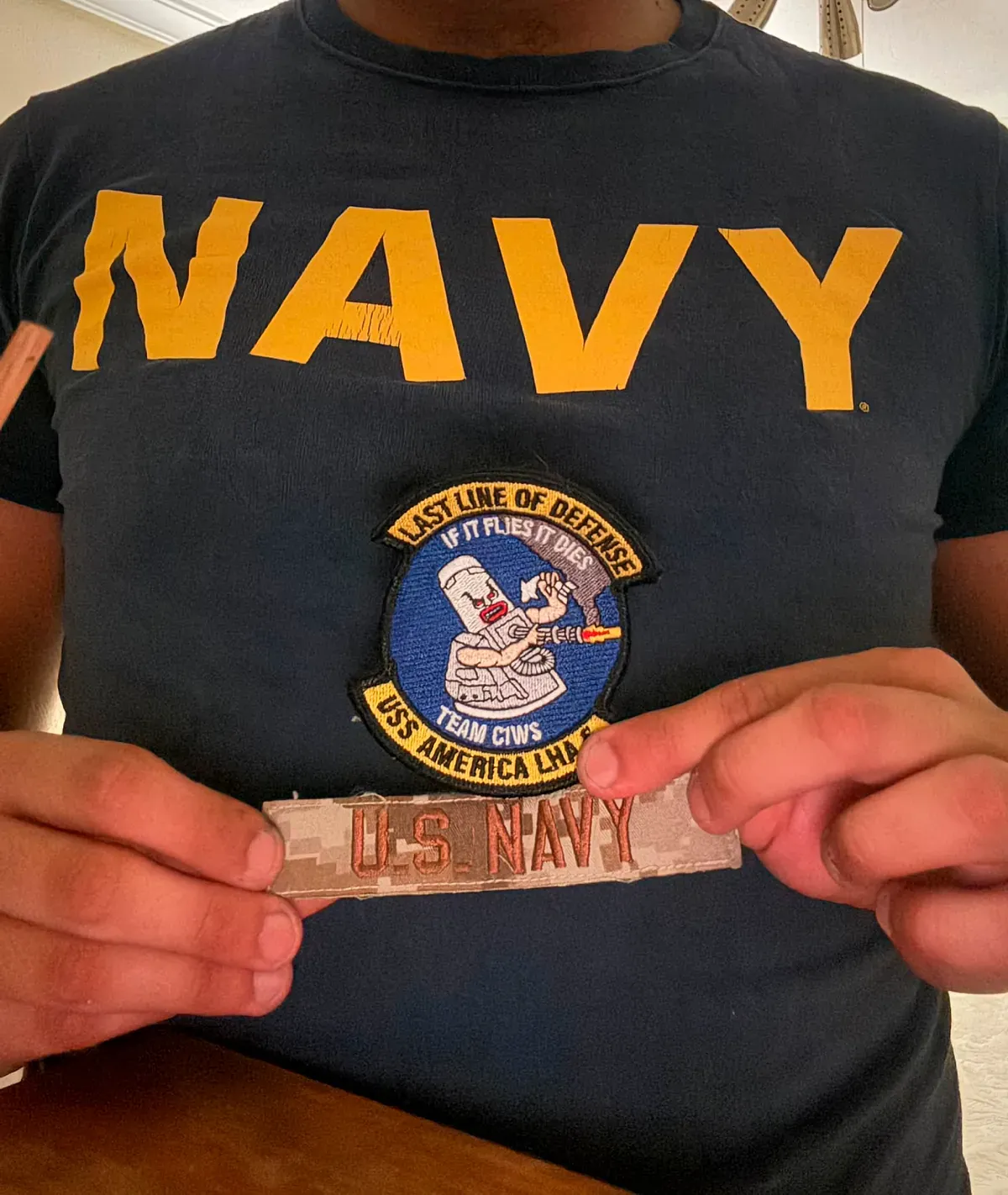

The recent surge in immigration at the borders of Ceuta and Melilla has sparked a significant geopolitical discussion regarding Spain’s approach to migration. Marcus, a pseudonymous U.S. Navy Fire Controlman stationed at the Naval Base of Rota, which represents the largest concentration of American military presence in Southern Europe, provides a unique perspective on the situation. In casual conversations at local pubs, frequented by American military personnel since the base's establishment in 1958, the delicate political nature of the immigration crisis has emerged as a recurrent topic. The gravity of the situation was underscored last week when 72,000 immigrants reached the shores of Ceuta, resulting in over 140 fatalities, a crisis that has made waves far beyond Spain's borders.
The Political Ramifications of Mass Migration
The influx of migrants at Ceuta’s coastline marks a pivotal moment in Spain’s immigration policy and has drawn international scrutiny, particularly from the United States. Former President Donald Trump quickly took to social media to liken Spain’s predicament to the migration issues faced during the Biden administration, warning that such circumstances could recur if Democrats regain power. His comments echoed sentiments shared by JD Vance, who remarked on the consequences of mass migration and the radical left’s globalist policies that purportedly have facilitated an invasion of Western borders. Marcus sharply critiques Spanish Prime Minister Pedro Sánchez’s policies, asserting that the open-door approach to immigration and the mass regularization of hundreds of thousands of migrants is leading to significant political, social, and security challenges. He advocates for a European approach that mirrors the strengthened borders observed in Poland during the onset of the Ukraine war, despite the absence of intrusions in Poland at that time.
Two critical factors weigh heavily on this issue: the strong relationship between Morocco and the United States, largely fueled by arms contracts and geopolitical interests, and the geographical significance of Ceuta and Melilla, located near the Strait of Gibraltar—an essential maritime chokepoint through which approximately 10% of international sea traffic transits. Additionally, the ongoing conflict over control of the Strait of Hormuz adds further importance to these two autonomous cities within the broader geopolitical landscape.
In April, a report from the U.S. House Appropriations Committee highlighted the historical Moroccan claims over Ceuta and Melilla, raising questions about their future status. This diplomatic engagement underscores a growing American interest in the political fate of these Spanish enclaves, prompting inquiries into why the U.S. is discussing their "future status" now. As Marcus notes, the current levels of mass immigration and regularization are likely to exacerbate conflicts, suggesting that the relationship between Washington and Madrid is at a low point, influenced by ideological differences.
The Future of American Presence in Spain
Despite these tensions, Marcus maintains that Spain remains a valuable partner for the United States, attributing the strain in relations primarily to Sánchez's leadership. The political climate in Spain appears to be shifting, as evidenced by public sentiment surrounding the recent World Cup win. The phrase “Make Spain Great Again,” which appeared on a hat worn by Spanish soccer player Ferran Torres, reflects a desire for political change among many Spaniards. However, Marcus clarifies that this does not equate to an endorsement of Trump; rather, it signals a broader yearning for a different political trajectory.
Conversations with locals during EL MUNDO's visit to Rota revealed a noticeable decrease in American military presence, largely attributed to the ongoing conflict involving Iran. This has led to speculation about the potential relocation of the Rota base to Morocco. However, Marcus downplays these rumors, suggesting that substantial changes are unlikely within the current administration's timeframe. He perceives such threats as tactical maneuvers aimed at exerting pressure on Spain and Europe rather than genuine intentions to alter military deployments.
As American servicemen and women navigate their lives in Rota amidst the backdrop of changing geopolitical dynamics, they remain largely detached from the political turmoil, preferring to enjoy leisurely moments over a beer. Yet, Marcus stands out as a voice of concern, highlighting the deep polarization within Spanish society as it grapples with these pressing issues.
As reported by elmundo.es.