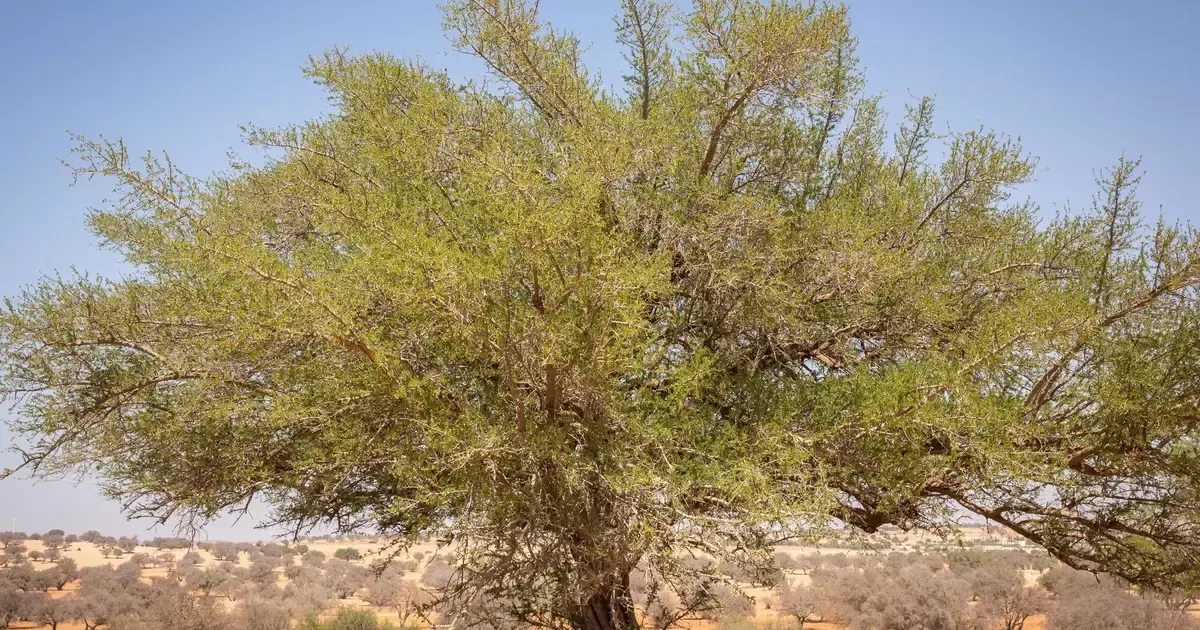

In the southwestern region of Morocco, nestled between the Atlantic Ocean and the Atlas Mountains, lies the Argan tree, a remarkable plant known for producing a nutty and fruity oil that has garnered global fame for its culinary and therapeutic properties. This oil, while expensive, is cherished not only for its flavor but also for its nourishing and healing attributes, making it a coveted ingredient in both kitchens and cosmetics worldwide.
Ahmed Handour, a talented chef, grew up in a small Moroccan village surrounded by nine brothers and two sisters. His father traveled extensively and would occasionally return home with a bottle of this special oil, which captivated young Ahmed with its fragrant nutty and slightly sweet aroma. Fast forward thirty years, and Handour now stands in the bustling kitchen of the prestigious 'Heure Bleue' hotel in Essaouira, far from his childhood home. As the head chef, he is donning his white chef's uniform and preparing for the evening meal, with his team busy creating delightful dishes that showcase the magic of Argan oil.
Among the culinary creations is 'Amlou,' a delectable mixture of roasted almonds, honey, and Argan oil. Handour envisions a dessert called 'Tiramlou,' a Moroccan twist on the classic tiramisu, featuring layers of sponge cake, mascarpone, and the unique flavor of Argan oil. His passion for this ingredient drives him to explore its versatility in the kitchen, resulting in a menu that includes dishes like Argan oil-marinated sea bass and rich Argan vinaigrette to accompany succulent beef roasts. As he delicately drizzles this golden oil, he reflects on its essence: nutty, fruity, and slightly sweet – a true culinary treasure.
Argan Oil: A Precious Commodity
The knowledge of the Argan tree's fruit, which yields this precious oil, has been passed down through generations in northern Africa. The Amazigh, the indigenous people of the region, have long harvested the oil by hand, using it in their daily lives for everything from dipping bread to moisturizing their skin and hair. They recognized its benefits for dry skin, eczema, and hair loss long before it became a global sensation.
What once was a local tradition is now transforming into a highly sought-after product on the international market. Argan oil is rapidly gaining popularity in kitchens and the cosmetics industry, often touted as a breakthrough in the anti-aging market. In 2022, the Moroccan Argan oil sector reported revenues exceeding 90 million euros, with nearly half attributed to exports. The demand is particularly strong in Europe, the USA, and Asia, where consumers eagerly purchase bottles and tubes filled with this luxurious oil. Today, Argan oil is regarded as one of the most expensive vegetable oils in the world, thanks to its limited geographic growth and the labor-intensive process of extraction.
As the Argan tree's habitat has shrunk over the years, it now thrives primarily in the semi-desert regions of southwestern Morocco, especially around the coastal city of Essaouira. Here, communities have formed around the cultivation and processing of Argan fruit, with artisans like Chef Ahmed Handour and women like Fatouma Zaouak playing vital roles in preserving this heritage.
The Life of Fatouma Zaouak
In a modest room in the village of Meji, Fatouma Zaouak sits gracefully on a bamboo mat, adorned in a golden dress. At 61, she exudes a quiet strength and warmth, surrounded by other women as they work diligently to extract the oil from the Argan fruit. The rhythmic sound of their hammers fills the air as they sing traditional Amazigh songs, celebrating their culture and the labor that connects them to the land. The Argan tree, a relic from the Tertiary period, produces fruit that falls to the ground in late summer and autumn, waiting to be harvested by the villagers who have relied on it for sustenance and livelihood.
Fatouma’s journey with the Argan tree reflects the deep-rooted traditions of her community. Growing up without formal education, she later married and moved to Essaouira, where she faced the challenges of providing for her family on her husband's meager fishing income. In 2017, she crossed paths with Nabila Bouhlal, a Moroccan woman who had studied finance in France and returned home seeking a purpose beyond monetary gain. Together, they envisioned a project that would empower local women and elevate the significance of Argan oil in both local and international markets, offering them a chance to thrive and flourish.
As reported by rheinpfalz.de.