
The Desperate Journey of Moroccan Youth
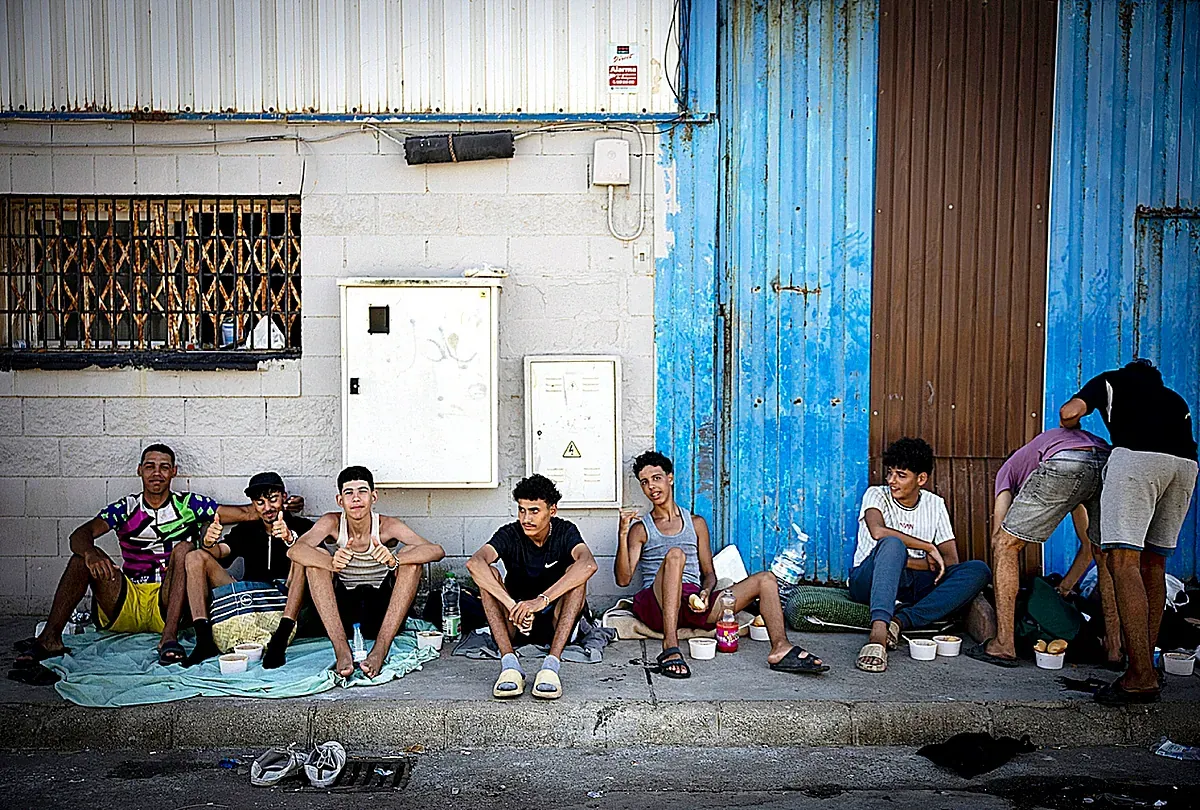
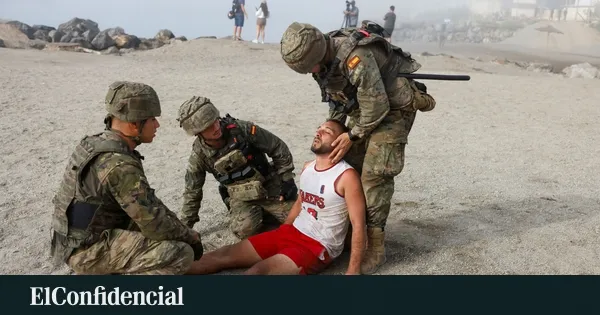
A Moroccan teenager recently shared his harrowing experience with a CBS reporter after arriving in Ceuta, Spain, alongside over 50,000 others who crossed the border illegally on July 30. The young man expressed his disappointment upon learning that Spanish authorities were not allowing the new arrivals to stay, and that many who had crossed the border were already being sent back home. "I want to go to Spain, anywhere but Morocco," he lamented. When asked why he was so eager to leave his homeland, he paused before responding simply with two words: "No hope." This stark admission encapsulates the sentiments of countless Moroccan youths who feel trapped in a system that offers little in terms of future prospects.
The Geopolitical Context and Economic Disparities
The recent mass migration event has sparked widespread speculation regarding its geopolitical implications. Many observers are attempting to understand whether this is a new maneuver by Morocco, akin to past incidents, or a response to recent diplomatic visits, such as Spanish Prime Minister Pedro Sánchez's trip to Algeria. Others have even suggested the possibility of foreign intelligence involvement, including orchestrations from Israeli or U.S. agencies. Nevertheless, the underlying reasons for such drastic measures among Moroccan youth are rooted in the stark economic realities of their home country. Despite Morocco experiencing a near 5% growth rate in 2025, driven by sectors like agriculture, construction, and tourism, the benefits of this economic expansion have not been equitably distributed. A World Bank report highlighted that between 2000 and 2024, the economy created significantly fewer jobs than needed to maintain stable employment rates, leading to a growing disconnect between the burgeoning economy and the opportunities available to the nation's youth. With the job market increasingly saturated and a staggering youth unemployment rate of 29.2%, it is no surprise that young Moroccans are willing to risk their lives in pursuit of a better future.
The hope of a brighter life in Europe, often portrayed through social media, further fuels this desire to migrate. Platforms like TikTok and Instagram showcase the lives of Moroccans in Europe, emphasizing the financial rewards, leisure, and lifestyle improvements that come with emigration, while neglecting the harsh realities faced by many immigrants. This narrative creates a compelling allure, leading many young people to believe that illegal migration is a viable option for achieving their dreams. Ultimately, the paradox of Morocco's growing economy juxtaposed with its youth's desperate quest for hope highlights a troubling reality: even amidst progress, the lack of opportunity continues to drive young people to the sea, seeking a better life at any cost.
As reported by elconfidencial.com.