
Exploring the Emotional Depth of War through Cinema
While war films are often characterized by their intense action sequences and graphic depictions of violence, there exists a sub-genre that focuses on the emotional fallout of conflict, emphasizing the human cost over the spectacle of battle. Iconic titles such as 'Saving Private Ryan,' 'Hacksaw Ridge,' 'Apocalypse Now,' and '1917' illustrate the brutality of war through visceral imagery, yet a selection of films transcends this approach to explore the profound grief and loss that accompany warfare. These narratives often unfold in quieter settings, compelling audiences to confront the emotional repercussions of war that reverberate long after the battles have ended.
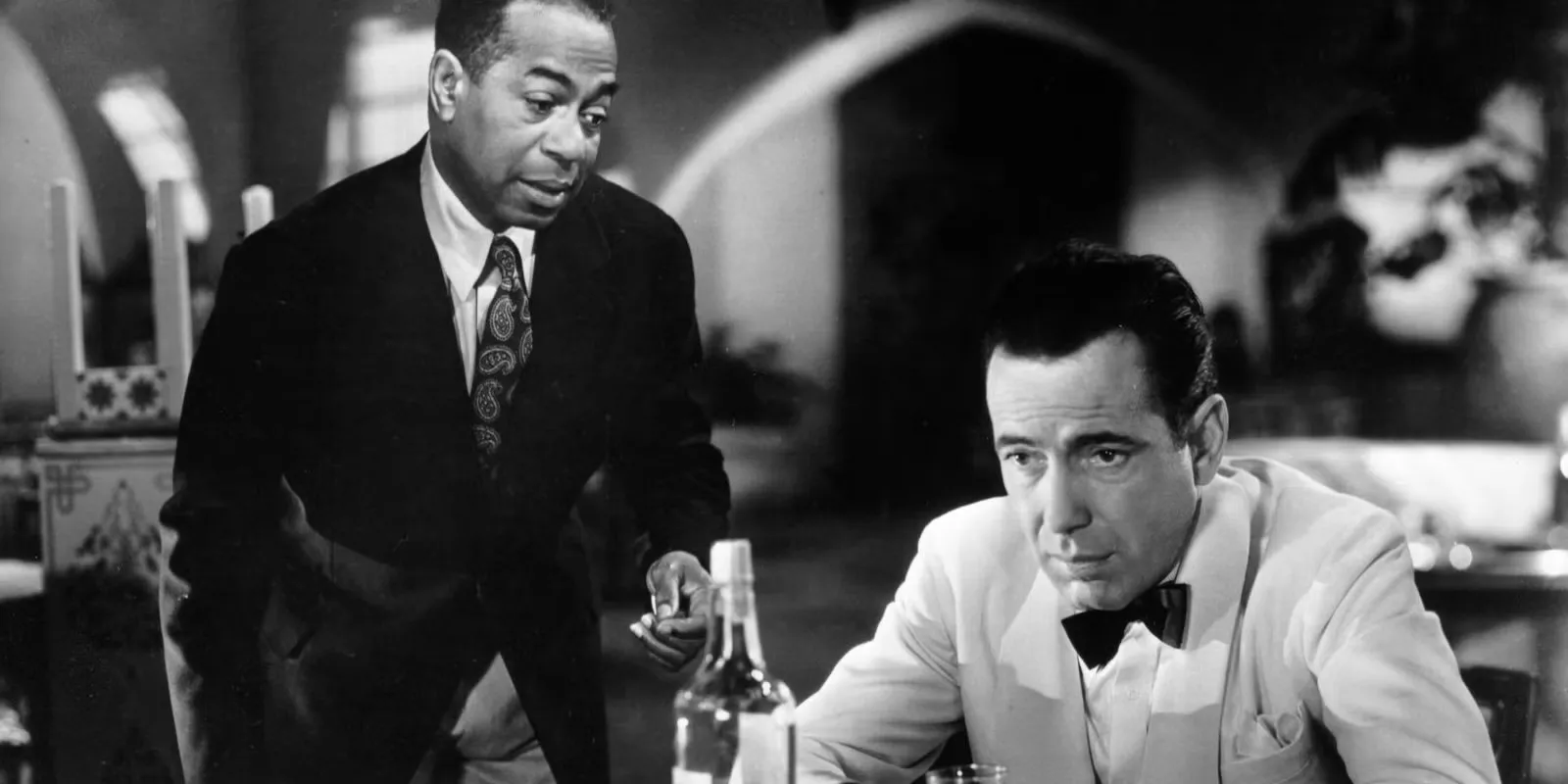
Take, for instance, 'Casablanca,' set in the politically charged atmosphere of Vichy France-controlled Morocco during World War II. The film revolves around Rick Blaine, portrayed by Humphrey Bogart, who masks his disillusionment with cynical bravado until he uncovers a renewed sense of purpose. The backdrop of war serves not just as a setting, but as a crucial force that shapes the characters’ journeys. The heart-wrenching sacrifice encapsulated in the love story between Rick and Ilsa, played by Ingrid Bergman, underscores how World War II has stripped them of choice, rendering their romance a fleeting luxury ultimately surrendered to moral duty.
Films That Illuminate the Human Cost of War
'Life Is Beautiful,' directed by Roberto Benigni, presents an unconventional narrative that juxtaposes comedy with the harrowing realities of the Holocaust. The film tells the story of Guido Orefice, whose unwavering love for his son allows him to create a protective bubble of joy amidst the horrors of a concentration camp. Critics have argued that the film trivializes the Holocaust, yet its core message celebrates the resilience of the human spirit and the lengths a parent will go to shield their child from suffering. The contrast between Guido's efforts and the grim realities surrounding them evokes a deep sense of sorrow, particularly in the poignant moments that reveal the true nature of their plight.
Moving to the Vietnam War era, films like 'Good Morning, Vietnam' offer a different perspective by using humor as a lens to examine the conflict. Robin Williams delivers a remarkable performance as Adrian Cronauer, a radio DJ whose broadcasts provide a much-needed lifeline for soldiers. While the Vietnam War looms in the background, the film adeptly conveys the human cost through moments of levity and the dawning realization that even laughter cannot shield one from the horrors of war. In contrast, 'The Zone of Interest' presents a chilling portrayal of domestic life adjacent to Auschwitz, juxtaposing mundane family routines with the atrocities of genocide, creating an unsettling dissonance that amplifies the horror of the Holocaust.
Christopher Nolan's 'Oppenheimer' further explores the moral complexities surrounding warfare, focusing on the intellectual burdens borne by J. Robert Oppenheimer following the atomic bombings of Hiroshima and Nagasaki. The film delves into the duality of scientific achievement and the specter of annihilation, leaving viewers to grapple with the consequences of such innovations. Similarly, 'The Imitation Game' offers a cerebral approach to World War II, centering on Alan Turing’s efforts to crack the Enigma code. This narrative reframes war as an intellectual challenge while poignantly highlighting Turing's isolation and persecution, drawing parallels to contemporary issues of injustice and discrimination.
Studio Ghibli's 'Grave of the Fireflies' starkly contrasts its usual heartwarming tales, presenting a heartrending account of two children navigating the devastation of war. By focusing on the innocent victims of conflict, the film evokes profound empathy and sorrow as it chronicles their struggle for survival amidst a collapsing society. Likewise, 'The Boy in the Striped Pyjamas' explores the tragic friendship between a Jewish boy in a concentration camp and the son of a Nazi officer. This narrative, rich in dramatic irony, underscores the innocence of childhood against the backdrop of unimaginable horror, ultimately leading to an inevitable and heartbreaking conclusion.
Lastly, the film 'Atonement' encapsulates the far-reaching consequences of war and personal decisions. Spanning multiple timelines, it reflects how a single mistaken act can ripple through lives, exacerbated by the chaos of World War II. Rather than relying on graphic violence, the film delves into emotional ramifications, allowing viewers to experience the profound sadness born from unresolved guilt and loss. In contrast, Charlie Chaplin's 'The Great Dictator' utilizes satire to critique authoritarianism, transforming into a poignant commentary as the reality of the Holocaust became more widely known. Chaplin himself acknowledged that had he fully understood the horrors of concentration camps, the tone of his film might have been drastically different.
As reported by cbr.com.