
Exploring the Unique Structure of the 2030 FIFA World Cup
The FIFA World Cup 2030 is set to deliver an unprecedented tournament experience, spanning six countries across three continents. This groundbreaking announcement occurred on December 13, 2024, during the FIFA Congress, where delegates voted for a format that has never been seen before in the history of football. The host nations include Spain, Portugal, and Morocco, which will carry the majority of the tournament's load, while the opening matches will be held in South America. This unique arrangement raises intriguing questions about logistics, symbolism, and the future of international football tournaments.
For the first time, the World Cup will connect two oceans, as FIFA President Gianni Infantino emphasized the unifying spirit of football in a divided world. The event's structure consists of three primary host nations: Spain, Portugal, and Morocco. The majority of matches, including the knockout rounds and the final, will take place in Europe and North Africa, marking a historic collaboration between these regions. Morocco, having long pursued the opportunity to host a World Cup, will finally play a significant role within this tri-national alliance, alongside Spain and Portugal, who last hosted the tournament in 1982.
The Ceremony of the Opening Matches in South America
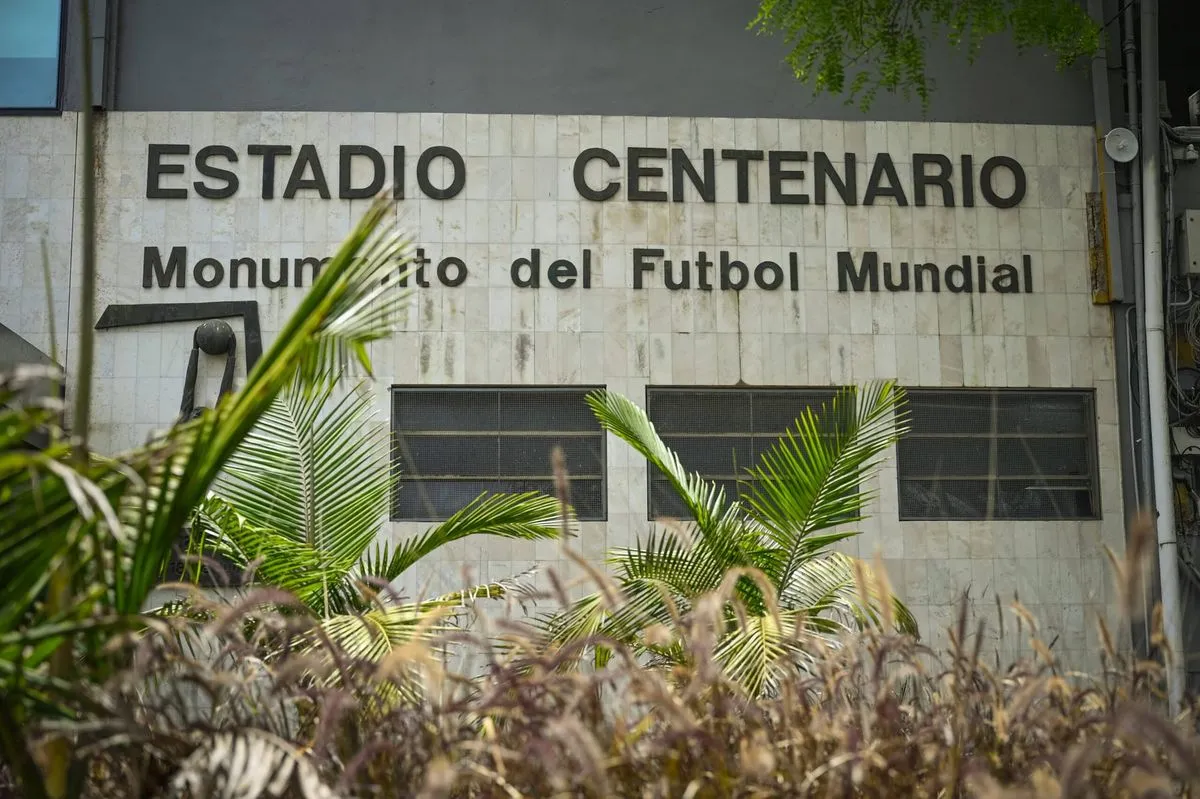
In a historic twist, the opening games of the 2030 World Cup will unfold in Uruguay, Argentina, and Paraguay—countries that are not only part of the tournament but also tied to the very origins of the World Cup, which took place in Montevideo in 1930, where Uruguay won the inaugural title. This arrangement allows these three nations to each host a ceremonial match, grounding the tournament in its rich history as it transitions across the Atlantic to Europe and North Africa. The six nations involved in the World Cup are thus intricately woven into a narrative that celebrates the legacy of the sport while also addressing modern logistical challenges.
Fans can expect a significant shift in their travel plans as they navigate between continents to witness the matches. No previous tournament has posed such a geographical challenge, transforming the concept of a host nation into a sprawling network of venues. The FIFA Council initially outlined this innovative format on October 4, 2023, aiming to merge a European-African hosting model with a South American component to celebrate the centennial of the tournament.
However, the approach is not without its critiques. There are concerns regarding the ecological impact of such extensive travel, conflicting with FIFA's sustainability commitments. Additionally, questions of competitive fairness arise, as teams playing their opening matches in South America will have to switch continents afterward, unlike their counterparts who will begin their journeys directly in Europe. This logistical complexity is unprecedented in World Cup history, adding an extra layer of difficulty to the tournament.
The host selection process notably deviated from traditional competitive bidding, having been decided by acclamation without any rival bidders. This method has sparked discussions regarding the transparency and integrity of the bidding process, especially when combined with the simultaneous announcement of the 2034 World Cup in Saudi Arabia. Critics argue that this lack of competition may weaken the provisions for infrastructure, human rights, and environmental standards that are typically negotiated during such processes.
As the countdown to the World Cup 2030 begins, it is crucial to recognize its significance beyond mere celebration. It symbolizes a shift from the conventional single-nation model to a multi-nation approach, potentially setting a precedent for future tournaments. The World Cup will feature 48 teams, a change that will be first implemented in the 2026 tournament across the United States, Canada, and Mexico. This expansion will further complicate logistics as it unfolds across six different countries and three continents, making the 2030 World Cup the most complex logistical endeavor ever undertaken in the realm of sports.
As reported by feverpitch.de.