
Interwoven Histories: Spain and Morocco
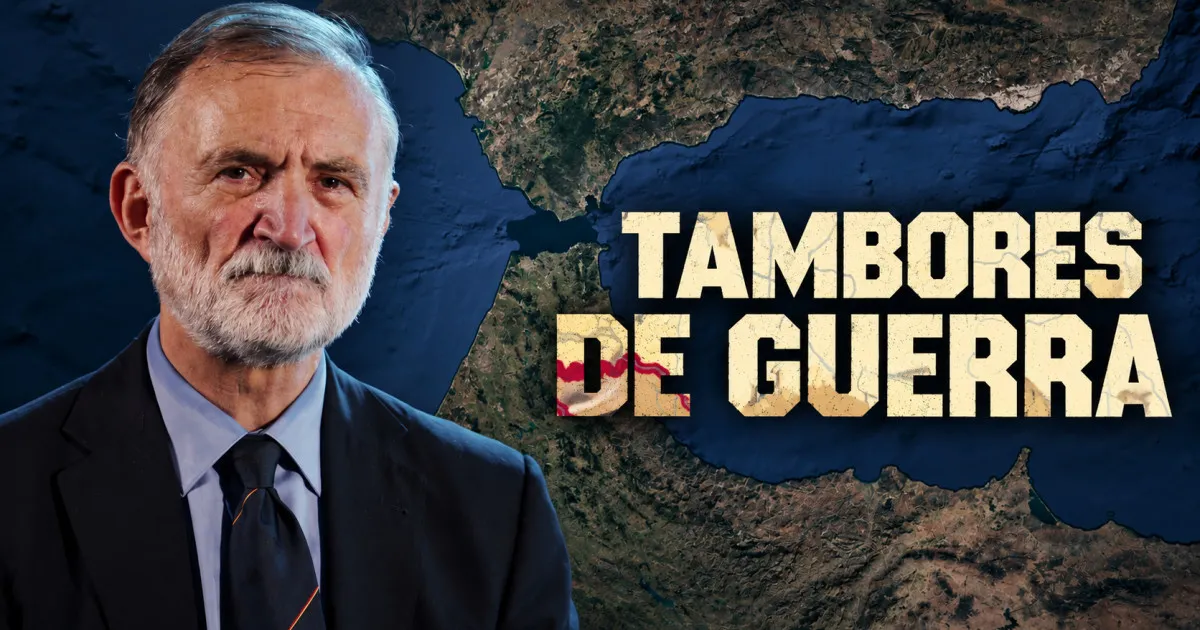
The recent history of Spain is intricately linked to that of Morocco, reflecting a shared trajectory that has shaped both nations. Since the emergence of the modern state, Spain has sought to expand its influence through strategic enclaves, particularly aimed at securing control over the Strait of Gibraltar and the Mediterranean coastline. However, it wasn't until the late 19th century that Spain began to assert its dominance over territories within the sphere of French hegemony. The colonial question became a central theme in political life and nationalism on both sides of an invisible border, a thin red line that continues to resonate today, as evidenced by the recent crisis in Ceuta.
The defeat by the United States and the subsequent loss of Cuba, Puerto Rico, and the Philippines marked a pivotal shift in Spain’s narrative. Following the crisis of 1898, a movement known as regenerationism gained momentum, aiming for a comprehensive renewal of the nation. Morocco emerged as a dual solution to Spain's problems; it was seen as a bastion of national honor as the former colonial empire crumbled and a means to integrate Spain into the African partition established during the Berlin Conference, dominated by a newly unified Germany. The Mediterranean became one of the most active centers of escalating tensions, alongside the Balkans, due to this reorganization of the global map. Following the Algeciras Conference, sponsored by Alfonso XIII in 1906, Spain achieved control over northern Morocco, a region where the Rifi tribes mounted a stronger resistance compared to the western areas under French control. The agreement was accepted by European nations and received British approval, which maintained its dominance in Egypt, yet it triggered uprisings throughout North Africa. The dispatch of troops failed to remedy the situation, and by the end of July 1909, an attempt to reclaim Mount Gurugú in Melilla resulted in over 1,000 casualties. The disaster at Barranco del Lobo profoundly affected a society already divided over colonial endeavors, leading to protests over the mobilization of reservists at the port of Barcelona that erupted into severe riots. The city was engulfed in flames during what came to be known as the Tragic Week, heralding a new era of social and political mobilization. The regenerationist project succumbed to a new dynamic marked by colonial warfare, public disorder, and military intervention, a militarism that, as its architect Cánovas del Castillo had warned, would ultimately spell the end of the Restoration system.
The Sahara and Its Implications
Meanwhile, economic interests, mining concessions, and significant investments laid the groundwork for the Spanish-French Protectorate in Morocco. The Spanish Company of the Rif Mines exploited iron through a new railway connecting to Melilla, with plans to link it to Ceuta and the Algerian railway network to establish a principal trade route for the entire Maghreb. Despite the Rif War, which saw my grandfather serve for more than three years alongside thousands of laborers brought from the peninsula to maintain the territory, this ambitious project was never realized and was ultimately buried by the European situation. After World War I, France expanded its policies in Morocco, compelling Spain to increase its presence in the Protectorate. This situation was exacerbated by a growing nationalist consciousness crystallized in the figure of Abd-el-Krim, whose influence grew as support for him increased in the region. The Riffian counteroffensive culminated in Annual, which became a symbol of erratic policy in Morocco, resulting in over 14,000 casualties and numerous disappearances.
The alarm caused by this new disaster prompted an investigation led by General Picasso, who held parts of the military high command accountable and even implicated the king. This investigation paved the way for the dictatorship of General Primo de Rivera, who focused on resolving the Moroccan question. In September 1925, the landing at the Bay of Alhucemas marked the end of the Moroccan War and undoubtedly represented the peak of Primo de Rivera's popularity. However, the system and the monarchy were left mortally wounded. From this point forward, figures such as Sanjurjo (Marqués del Rif), Mola, Beigdeber, and Franco emerged as leaders of the military uprising in 1936, embodying a militaristic mindset forged throughout the previous processes.
The Sahara represents another critical aspect of understanding this thin red line, with its occupation beginning earlier, in 1884, and subsequently extending to the Ifni region, which was included in the division of the Protectorate with France. By the end of World War II, following the Spanish occupation of Tangier, Ifni, and the Sahara, these regions became part of the General Government of West Africa. This led to a new war in 1957, during which Spain ceded Ifni—except for the enclave of Sidi Ifni—to Morocco. The High Commissioner of Spain in Morocco, the top administrative authority of the Protectorate, maintained political direction continuously and without interruption, with three military commands in Ceuta, Melilla, and Larache. During this time, the Alaouite dynasty, based in Fez, expanded its power throughout the country. The monarchy ascended to the throne in 1966 amid the decolonization process. Following the Green March, Spain swiftly abandoned the Sahara strip occupied by Morocco, at a delicate time for the Franco dictatorship. Notably, the so-called Law on the Decolonization of the Sahara was published on November 20, 1975, coinciding with Franco's death. This rapid withdrawal, akin to Portugal's departure from Angola and Mozambique, has become part of the narrative of the Transition, as well as current relations with Morocco.
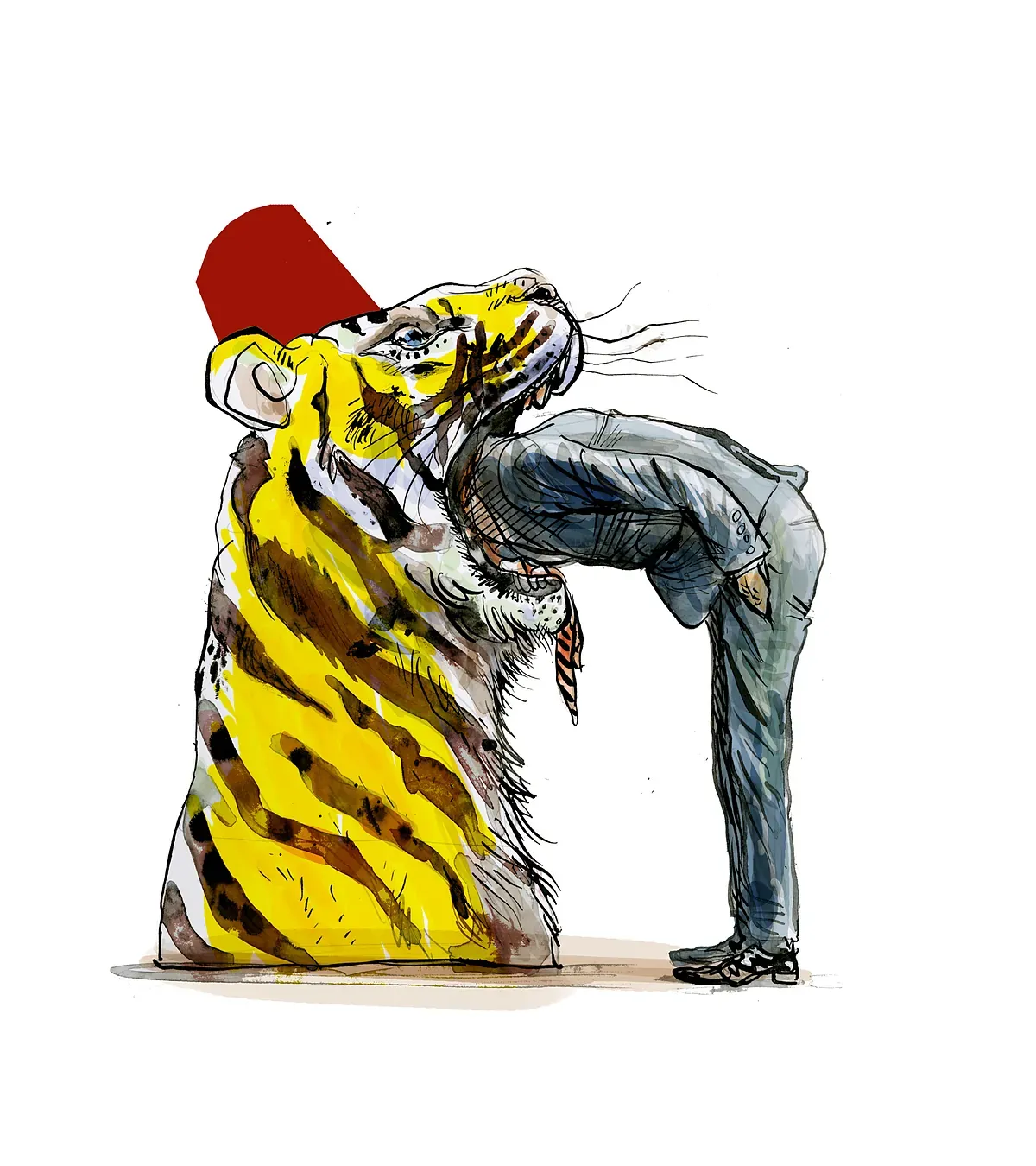
Despite certain parallels, such as the use of civilian populations in border objectives, the situation has changed significantly since the Green March. Following Spain's entry into the European Union, competition became communal, while defense was framed within NATO, although the security of Ceuta and Melilla remains unguaranteed by the North Atlantic Treaty. Morocco has not relinquished its claim to sovereignty over both cities, but beyond orchestrating calculated incidents of tension, such as those involving the islet of Perejil or actions against the Sahrawis, its primary focus has been to monitor the flow of sub-Saharan migration towards this area. This has become a political tool that Morocco has refined, particularly as its youthful population has grown significantly over the last decade, a trend further intensified by geopolitical shifts. The Arab Springs that impacted the Mediterranean coast exacerbated this migratory flow during a period of destabilization, especially following the Syrian war. Another ongoing conflict, that in Ukraine, has highlighted Europe's energy dependency, underscoring the significance of gas supplies from Morocco and Algeria. Spain and France have increasingly turned to Algeria as a supplier, which undoubtedly lies at the heart of rising tensions with Morocco, which is no longer solely leveraging its traditional assets. Since September 11, and particularly in recent years, Morocco has become the preferred ally of the United States in the region, prompting a radical shift in its foreign policy, culminating in the recognition of the State of Israel. Additionally, beyond gas, the presence of new American military bases in Morocco has become a point of interest, particularly in light of the recent conflict in Iran. Above all, amidst these economic, political, and cultural encounters and divergences, this narrative reveals an ongoing humanitarian drama. It is our responsibility not only to understand this complex history but also to make it more visible and to reverse the humanitarian crises facing these populations along the thin red line.
As reported by elmundo.es.