
Examining the Transformative Power of Generation Z Protests
In recent months, protests led by the hyper-connected Generation Z have dismantled governments and captured global media attention, prompting a re-examination of political landscapes in numerous countries across the Global South. As we mark six months since massive demonstrations erupted in Nepal, Madagascar, and Morocco, it becomes imperative to assess the extent to which the demands championed by these young activists have been met. France 24 delves into the legacy of these youth-led movements, exploring whether they have successfully positioned their priorities at the forefront of political discourse.
In what can be deemed a remarkable success story for the Generation Z movement, Nepal witnessed a political upheaval that culminated in the resignation of Prime Minister KP Sharma Oli. The subsequent ascension of 35-year-old Balendra Shah, popularly known as "Balen," to the position of Prime Minister marks a historic milestone as he becomes the youngest leader in the nation's history. Balen, a former mayor of Kathmandu and a prominent social media influencer, initially entered the political arena as a vocal critic of corruption, resonating with disillusioned youth who were frustrated by the chronic institutional stagnation and entrenched political elites of the country.
Balen's first action as Prime Minister involved addressing the aftermath of last year's violent crackdown on protests, highlighting a commitment to accountability by pursuing legal action against those responsible for the repression. His predecessor, Oli, along with the former Interior Minister, now finds themselves in police custody. However, Balen continues to keep the nation in suspense regarding his plans to rejuvenate the struggling economy, enhance government accountability, combat corruption, and redistribute wealth—key demands that propelled him to power. Political analyst Feyzi Ismail of Goldsmiths, University of London, expresses concerns about Balen's lack of transparency, emphasizing the need for a clear action plan to tackle pressing issues such as the escalating unemployment crisis that drives nearly 2,000 Nepalis to seek work abroad daily.
Meanwhile, in Bangladesh, the students who successfully ousted Prime Minister Sheikh Hasina in 2024 brought a fresh wave of renewal to the political scene during the February legislative elections. Transparency International Bangladesh reported that 28% of candidates were under the age of 44, indicating a shift towards youthful representation. Despite this, the veteran Nationalist Party emerged victorious by promising national stability. As Ismail notes, while the Generation Z movement captured a moment that reflected the aspirations of young people seeking change, it remains to be seen how this energy translates into concrete political engagement and action.
Challenges and Aspirations: The Reality Facing Youth Movements
In Morocco, the Generation Z activists face significant challenges, including arrests and judicial harassment. Key figures within the movement, which gained momentum in September of the previous year, have been detained recently. The case of rapper Souhaib Qabli, sentenced to eight years in prison for critiquing government corruption and questioning diplomatic relations with Israel, underscores the risks faced by dissenters. Human rights advocate Hakim Sikouk reveals that over 5,000 arrests have occurred, with many families fearing public engagement could lead to harsher penalties for their loved ones. The Moroccan government, despite initial promises to address social spending and healthcare access, has not yet fulfilled these commitments, leaving the youth movement in a state of stagnation.
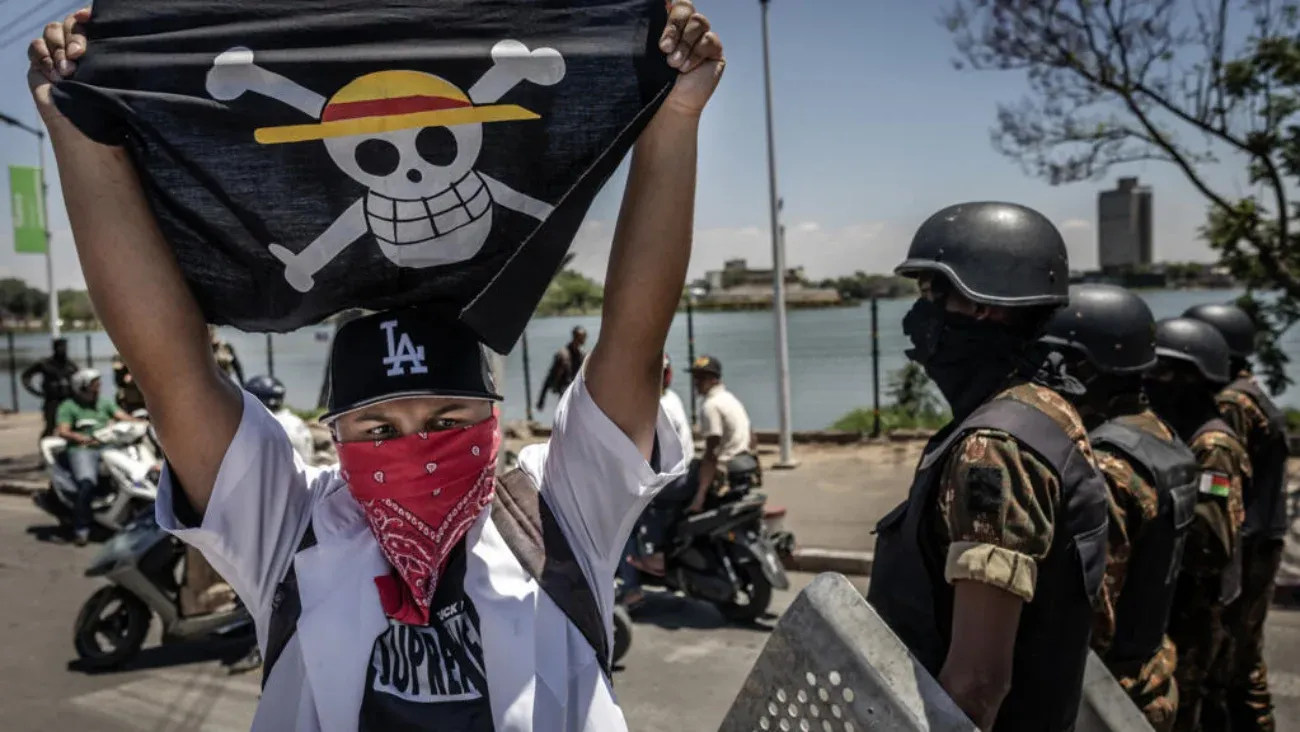
On the other hand, in Madagascar, the youth remain vigilant as skepticism surrounds the new government formed on March 25. Despite the ousting of President Andry Rajoelina, no protesters from the movement have been appointed to government positions, raising concerns about the continuity of reform. The interim leader, Colonel Michael Randrianirina, is respected for his integrity and anti-corruption stance, yet many remain cautious, recognizing that mere rhetoric does not guarantee genuine change. The youth activists are striving to hold the government accountable, advocating for a systematic overhaul to combat corruption and build a sovereign Madagascar.
Finally, in Kenya, the Generation Z movement is mobilizing young voters ahead of the 2027 presidential elections through the #NikoKadi campaign, which encourages voter registration. With only 65% of registered voters participating in the last election, down from 78% in 2017, the movement aims to combat electoral apathy among the youth. Following a wave of protests in June 2024 sparked by tax increases, activists are determined to improve the political system and demand the resignation of government officials. As civil rights advocate Ademba Allans articulates, overcoming apathy is crucial to achieving meaningful political change.
As reported by acento.com.do.