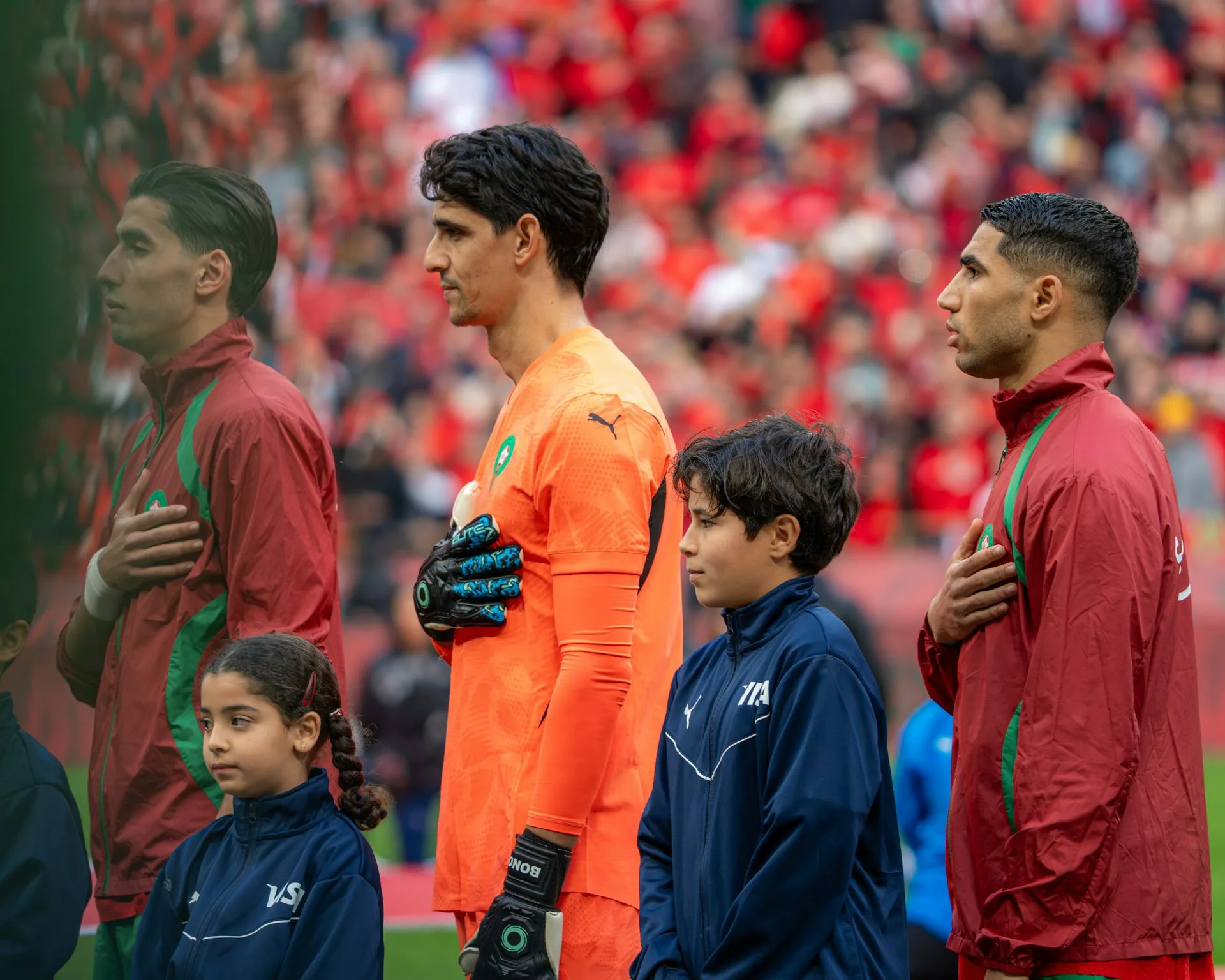

The extraordinary success of Morocco at the 2022 FIFA World Cup came as a surprise to many. Prior to the tournament, Morocco was ranked 22nd globally and had never advanced beyond the round of 16 in previous competitions. However, against all odds, they secured victories against formidable opponents such as Belgium, Spain, and Portugal—countries that are consistently ranked among the world’s top ten teams. This remarkable achievement not only led Morocco to become the first African nation to reach the semi-finals but also sparked a broader discussion about the influence of migration in football.
One of the most significant aspects of Morocco's squad was the number of foreign-born players they featured. Out of the 26 players in their team, 14 were born outside of Morocco, which is more than any other nation participating in the tournament. Looking ahead, the upcoming 2026 World Cup is set to include an unprecedented number of foreign-born players. Nearly a quarter of the 1,248 players selected for national teams in this edition will represent countries different from their birthplace. Some nations exhibit even higher proportions: Curaçao has 96% of its players born abroad, while the Democratic Republic of the Congo and Morocco have 85% and 73%, respectively. Overall, foreign-born players constitute the majority in eight of the 48 squads participating in the tournament.
Migration has long been intertwined with the narrative of the World Cup. For instance, during the tournament's third edition in 1938, 12% of players represented countries other than their birthplace. This phenomenon can be traced back to the absence of FIFA regulations governing player eligibility for national teams until 1962, which allowed players to switch national allegiances during their careers. Many players qualify to represent a nation due to their ancestry, often linked to diaspora communities formed through earlier migration waves. A notable example is Ivan Rakitić, a 2018 World Cup finalist who was born and raised in Switzerland but chose to represent Croatia, citing a deep emotional connection to his heritage.
Furthermore, some players gain eligibility through residency, such as Pepe, who was born in Brazil but went on to play for Portugal after becoming a citizen at 24. It's also important to acknowledge the presence of second-generation migrants in national squads. France's 2018 World Cup-winning team serves as a prominent example, with 12 of the 23 players having African parents. Such trends reflect the historical and ongoing migration patterns, particularly from former colonies in Africa and the Caribbean to the UK, as evidenced by England's 2026 squad, which includes several players with overseas-born parents.
While the relationship between migrant players and national team performance remains an area that warrants further exploration, existing research suggests that teams with a higher proportion of foreign-born players tend to fare better in tournaments. A study analyzing World Cups from 1970 to 2018 indicated that teams featuring more foreign-born players generally progressed further, with each additional player correlating to approximately 0.15 more matches played. This trend persisted even after factoring in broader disparities among countries, hinting that migration might confer advantages beyond just wealth or established football traditions.
Another 2023 study focused on European national teams and found that greater diversity within squads was linked to improved performance, with a one standard deviation increase in diversity corresponding to an average increase of 1.3 in goal difference per match. These findings suggest that migration not only broadens the talent pool available to national teams but also enhances the diversity of skills within squads. A diverse group can offer a wider array of physical attributes and technical abilities, potentially leading to better team dynamics.
However, it is crucial to note that migration alone does not guarantee World Cup victories. For instance, Argentina triumphed in the 2022 World Cup with no foreign-born players in their lineup. Success in football also hinges on factors such as population size, economic resources, and coaching expertise. Nonetheless, the evidence available implies that migration plays a significant role in shaping the landscape of international football, influencing team composition in ways that extend beyond mere demographics.
As we reflect on Morocco’s journey in the 2022 World Cup, one might ponder whether their success would have been possible had their squad been limited to players born and raised in the country. While we can only speculate, if teams like Curaçao achieve similar feats in the future, the role of migration in footballing success will become increasingly undeniable.
As reported by theconversation.com.