
The Rising Costs of Livestock Amid Geopolitical Tensions
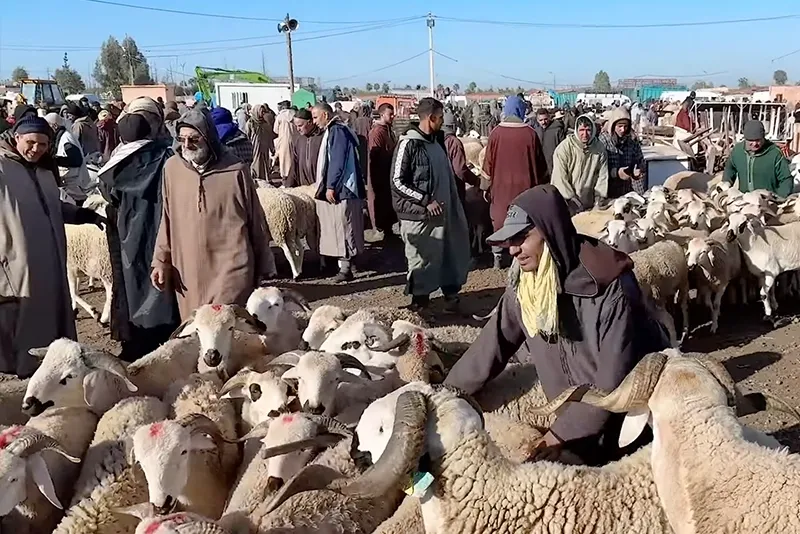
As the geopolitical landscape continues to evolve, the repercussions of conflicts, particularly in the Middle East, have begun to manifest significantly in Morocco's livestock sector. Farmers and livestock breeders in Morocco are increasingly voicing their concerns regarding the rising costs associated with livestock, especially in anticipation of the upcoming Eid al-Adha. The ongoing war in Iran and its associated economic fallout have led to substantial increases in feed prices, creating an uneasy atmosphere for those whose livelihoods depend on livestock farming. With prices for sheep expected to surge, many breeders are anxiously predicting a challenging market ahead.
Recent reports indicate that the price of sheep has already reached alarming levels, with some estimates suggesting that prices could exceed 120 dirhams per kilogram in wholesale markets. This sudden spike in costs is attributed not only to the war's direct impact on import and export dynamics but also to the increasing demand from consumers preparing for the Eid celebrations. As the holiday approaches, many families are forced to consider their budgets more carefully, and the burden of inflated prices is felt heavily among the lower-income segments of the population.
Challenges and Responses from Livestock Farmers
In light of these developments, farmers are calling for a more transparent pricing system that reflects the realities of the market while also ensuring fair compensation for their efforts. They argue that the combination of natural feed shortages, exacerbated by recent floods, and the speculative tendencies of middlemen are creating an unsustainable situation for both producers and consumers. Some farmers have expressed their intention to boycott livestock purchases unless prices stabilize, aiming to counteract what they perceive as unfair profit-seeking behavior by traders.
The situation is further complicated by the perception that external factors, such as the ongoing conflicts in the region, should not unduly influence the local livestock market. Some voices in the community are advocating for a shift in focus, emphasizing the importance of local agricultural practices and resource management to mitigate the impacts of such geopolitical events. As the Eid al-Adha draws near, it remains to be seen how these dynamics will play out and what strategies will be employed by both consumers and producers to navigate the challenges ahead.
As reported by hespress.com.