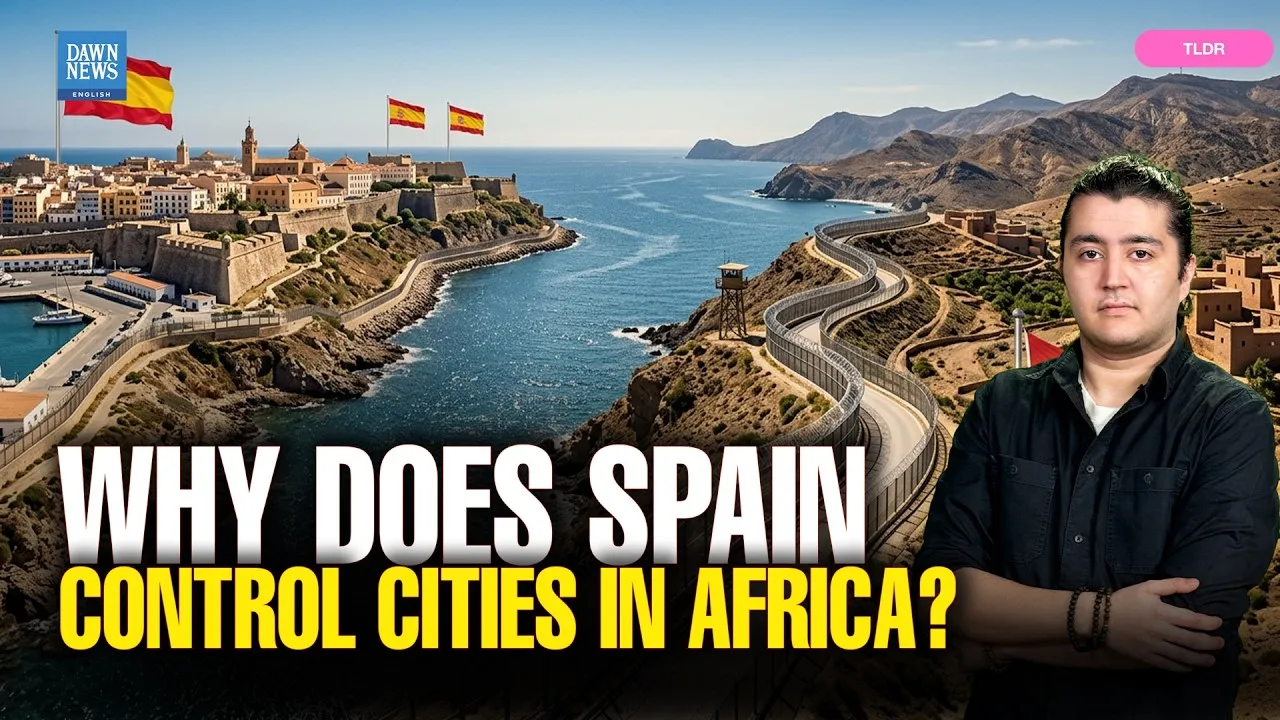

The Complex Status of Ceuta and Melilla
Ceuta and Melilla, two small cities located on the northern coast of Africa, are politically recognized as part of Spain and consequently, are considered integral to the European Union's external border. Despite their geographical positioning, which places them firmly within the African continent, these cities have been under Spanish control for centuries. The historical roots of this situation trace back to colonial times, and the ongoing dispute regarding their status has created a significant geopolitical tension between Spain and Morocco. Since Morocco achieved independence in 1956, the Moroccan government has persistently claimed the right to reclaim these territories, asserting that their return is essential for national sovereignty and identity.
Recent Developments and Migration Crisis
The issue of Ceuta and Melilla has re-emerged in international headlines, particularly following the recent surge of over 50,000 migrants crossing into Ceuta. This migration wave has strained relations between Spain and Morocco, highlighting the complexities of border control and migration policy within the European Union. The situation has amplified calls for a reassessment of the European Union's approach to migration, as it grapples with the dual challenge of humanitarian responsibility and national security. The cities serve not only as a refuge for those seeking a better life but also as a focal point for discussions on colonial legacy, migration rights, and international relations.
As reported by youtube.com.