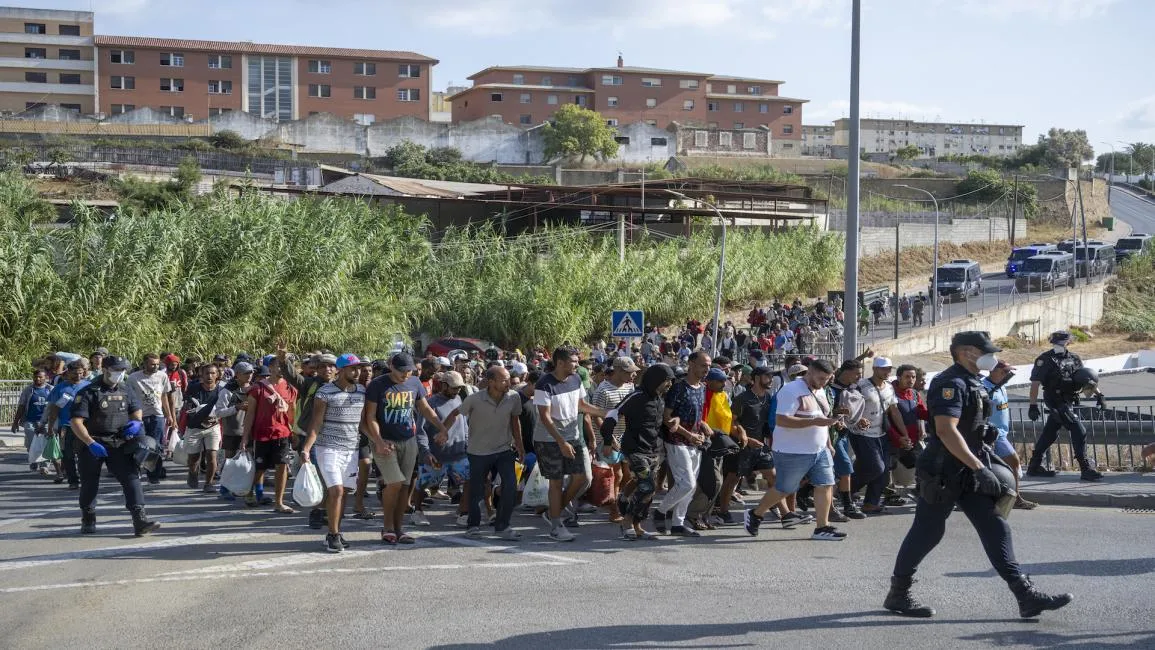

Understanding the Migration of Moroccan Youth to Spain
Recent events in the Spanish enclave of Ceuta have sparked intense discussions across various media platforms, raising concerns about the social and economic conditions in Morocco that drive young people to undertake perilous journeys in search of better opportunities. This phenomenon is not a new one; it has been a persistent issue for decades, affecting not just Moroccan youth but a diverse group of migrants from various regions. The complexities surrounding this migration are deeply rooted in multifaceted social, economic, and political issues that cannot be reduced to simplistic explanations.
Many commentators have pointed to the dire economic situation in Morocco as a primary driver of this migration. High unemployment rates, especially among the youth, coupled with limited access to education and vocational training, create an environment where young people feel compelled to seek better prospects abroad. However, it is essential to recognize that this migration is also influenced by broader geopolitical dynamics, including the relationships between Morocco, Spain, and the European Union. Migrants often face significant risks during their journey, including exploitation and violence, which highlights the urgent need for comprehensive policies that address the root causes of migration rather than merely responding to its symptoms.
The recent surge in the number of young Moroccans attempting to cross into Spain reflects a growing sense of desperation among this demographic. Reports indicate that many are willing to risk their lives in dangerous crossings, motivated by the hope of finding work and stability. This situation calls for a holistic approach that not only addresses the immediate needs of these individuals but also invests in the long-term development of their home communities. By creating sustainable job opportunities and improving educational access in Morocco, it may be possible to mitigate the factors that lead to such desperate measures.
Moreover, the migration crisis should not be viewed solely through the lens of security and border control. It is a humanitarian issue that requires empathy and understanding from policymakers in both Morocco and Spain. Collaborative efforts between the two nations could lead to effective solutions that benefit all parties involved. Engaging local communities in the development of policies and programs that support youth empowerment and economic growth could help to reduce the allure of migration while fostering a sense of hope and belonging among young Moroccans.
As reported by alaraby.co.uk.