
Official Kickoff of the Wild Water Fishing Season
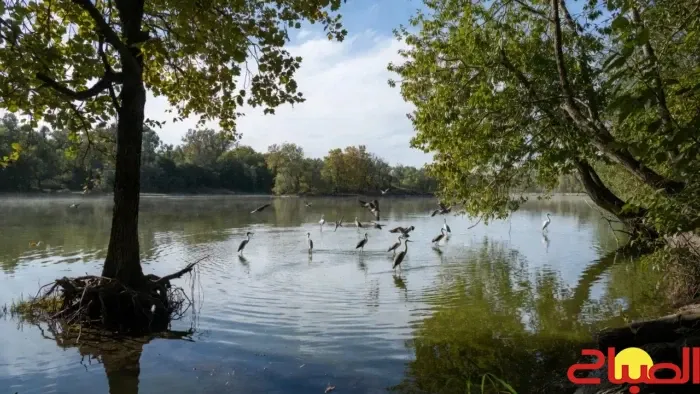
The National Agency for Water and Forests has announced the official commencement of the wild water fishing season for 2026-2027, set to begin this Sunday. This initiative is aimed at preserving aquatic ecosystems while promoting a well-structured and responsible fishing sector. According to a statement from the agency, this annual event emphasizes the strategic role of wild fishing in the development of rural and mountainous regions. Sport and recreational fishing serve as significant drivers of tourism, while commercial fishing and aquaculture contribute substantially to local income and ensure sustainable production security within the sector.
Environmental Challenges and Strategic Measures
The agency highlighted that the opening of this season comes amidst environmental challenges posed by climate change and water stress, which makes the protection of biodiversity, particularly species of heritage value such as trout, a top priority. Notably, efforts to replenish fish stocks last season resulted in the production and release of 26.7 million juvenile fish, especially from the cyprinid family, into various rivers and bodies of water across the kingdom to enhance national fish stocks.
Furthermore, the agency has adopted a series of measures, including the meticulous application of the annual fishing decree, continuous scientific monitoring, the activation of production operations through the National Aquaculture Center in Azrou, as well as combating illegal fishing and strengthening collaborative approaches with associations. This strategic direction was endorsed during a meeting of the National Council for Fishing and Aquaculture held on February 5. The agency encourages environmentally friendly practices, having expanded the scope of sport fishing using the 'catch and release' technique by adding five new locations, raising the total number of routes designated for this sustainable practice to 56. Despite existing challenges such as water pressure and ongoing isolated instances of illegal fishing, the sector presents promising avenues for the development of fishing tourism, the creation of job opportunities, and the enhancement of innovative aquaculture, along with structuring value chains towards greater professionalism.
In conclusion, the agency calls upon all practitioners and professionals to engage in a collective responsibility that respects the laws and preserves the national fish heritage, ensuring its sustainability and safe transmission to future generations.
As reported by assabah.ma.