
Understanding the Recent Migration Surge to Ceuta
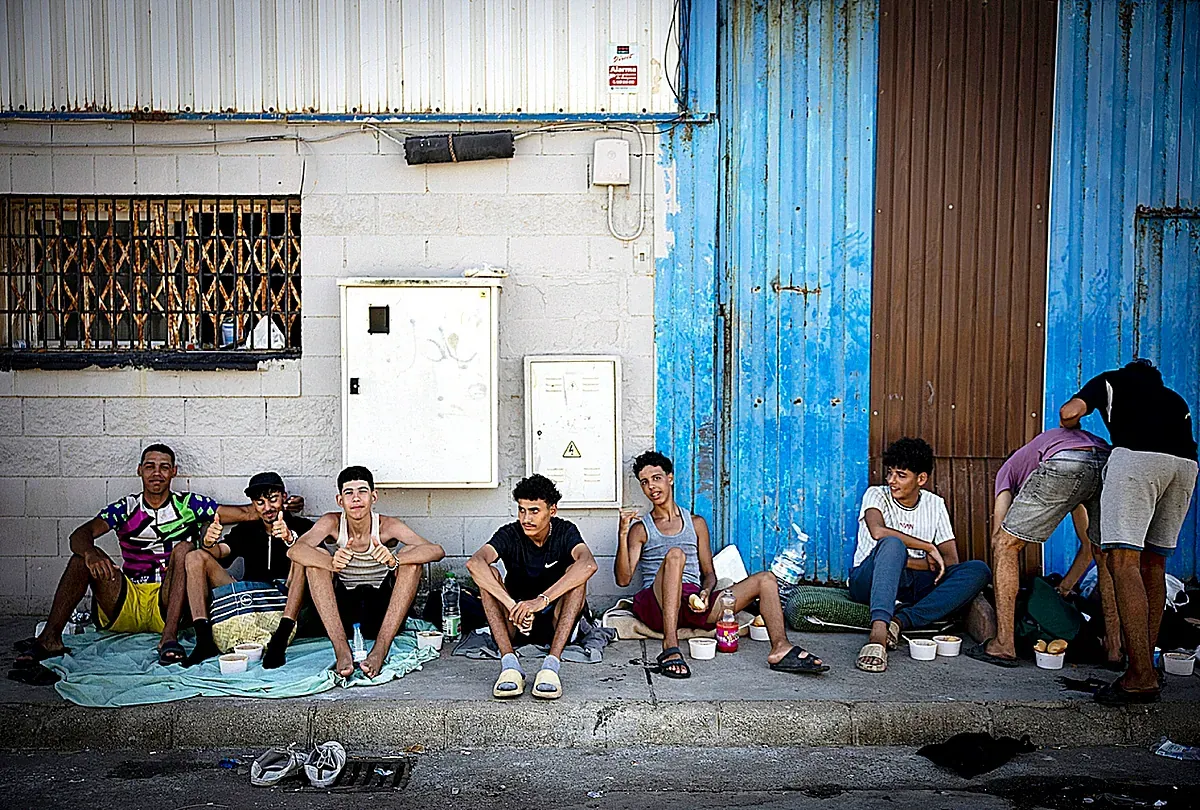
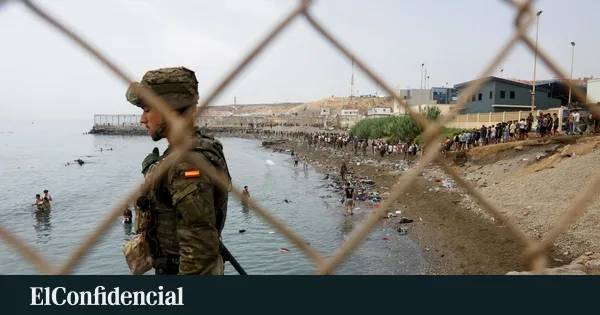
The recent spike in migration to Ceuta has left many questioning the motivations behind such a dramatic influx. Social media is abuzz with inquiries about what Spain has done to provoke this latest wave, reflecting a growing sentiment among Moroccans who suspect their government is retaliating against Spain. This situation is reminiscent of May 2021, when over 10,000 undocumented migrants entered Ceuta within just 48 hours, a response to Spain's decision to admit Brahim Ghali, the leader of the Polisario Front, into a hospital in La Rioja. The parallels between these two events highlight the complex and often contentious relationship between Morocco and Spain.
In private conversations and online discussions, Moroccans, whether residing domestically or abroad, have proposed various theories to explain the sudden migration surge. These explanations often align with narratives presented in the Spanish media, which are also consumed in Morocco. Speculation ranges from Moroccan displeasure over Spanish President Pedro Sánchez's recent visit to Algeria to the Spanish Congress's consideration of a bill to grant nationality to Sahrawis. Other theories suggest that this migration wave could be a form of revenge for European media revelations about the Moroccan intelligence agency's use of the Pegasus spyware, or even a strategic warning to Spanish politician Alberto Núñez Feijóo.
The Role of Moroccan Authorities and Long-Term Implications
Leftist Moroccans critical of the monarchy have offered another perspective, positing that Morocco's close ties with the United States under former President Donald Trump and Israel's Benjamin Netanyahu have emboldened it to act against Sánchez's critiques of their policies, particularly regarding Gaza and Iran. Yet, there is no concrete evidence to support these theories, and a recent statement from the U.S. State Department reaffirmed support for Spain, condemning the violation of its sovereignty and human rights, although it also criticized Spain's mass immigration regularization efforts.
While Sánchez expresses gratitude towards Morocco, it is evident that the Moroccan security forces played a crucial role in facilitating this migration. Initially, the flow appeared spontaneous, spurred by a Supreme Court ruling that opened a migration loophole. However, by mid-week, Moroccan auxiliary forces and the Royal Navy seemingly ceased their containment efforts coinciding with the start of the Throne Day celebrations, which commemorate King Mohammed VI's ascension to the throne. This raises questions about why Moroccan security forces stopped fulfilling their responsibilities, with analyses suggesting that the ongoing migration chaos may serve as a political statement regarding the status of Ceuta and Melilla. Several Moroccan commentators have noted that the persistence of these enclaves in Morocco creates geopolitical anomalies in the 21st century, questioning the sustainability of such territorial claims.
Le360, a publication associated with the Moroccan royal court, highlighted the urgency of addressing the status of these cities, suggesting that the long-term resolution may involve their reintegration into Morocco. This perspective implies that the financial, human, and logistical burdens of maintaining Spanish sovereignty over these territories may not be sustainable, further complicating the relationship between the two nations. The article posits that the peaceful 'conquest' of Ceuta could be a strategic maneuver by Morocco to assert its territorial claims without armed conflict, thereby reinforcing its position in the eyes of its American and Israeli allies.
The unfolding crisis has damaged Morocco's international image, coinciding with the Throne Day celebrations, which showcased the king's accomplishments. However, the images of mass migration have resonated deeply with both local and international audiences, highlighting the stark realities faced by those seeking a better life in Europe. While Morocco aims to present itself as a modern leader in the Arab world, the repercussions of this migration surge challenge that narrative and raise pressing questions about the future of its territorial claims and the management of its borders.
As reported by elconfidencial.com.