The Scandal of the Dutch Childcare Subsidy Program
Between the years 2005 and 2019, the Dutch Tax and Customs Administration implemented a childcare subsidy program that ultimately betrayed the very families it was intended to support. Approximately 26,000 parents were erroneously labeled as welfare fraudsters, and as a result, they were coerced into repaying tens of thousands of euros in benefits that they had legitimately received. This wrongful identification led many into financial despair, with the state apparatus failing to acknowledge its own missteps. This disturbing episode, known as the 'toeslagenaffaire', not only caused the collapse of a government but also exposed systemic racial profiling ingrained in algorithmic decision-making. For many Moroccan-Dutch families, this scandal represented a more personal violation: the harsh reality that institutional discrimination could strip them of their livelihoods, homes, and even custody of their children.
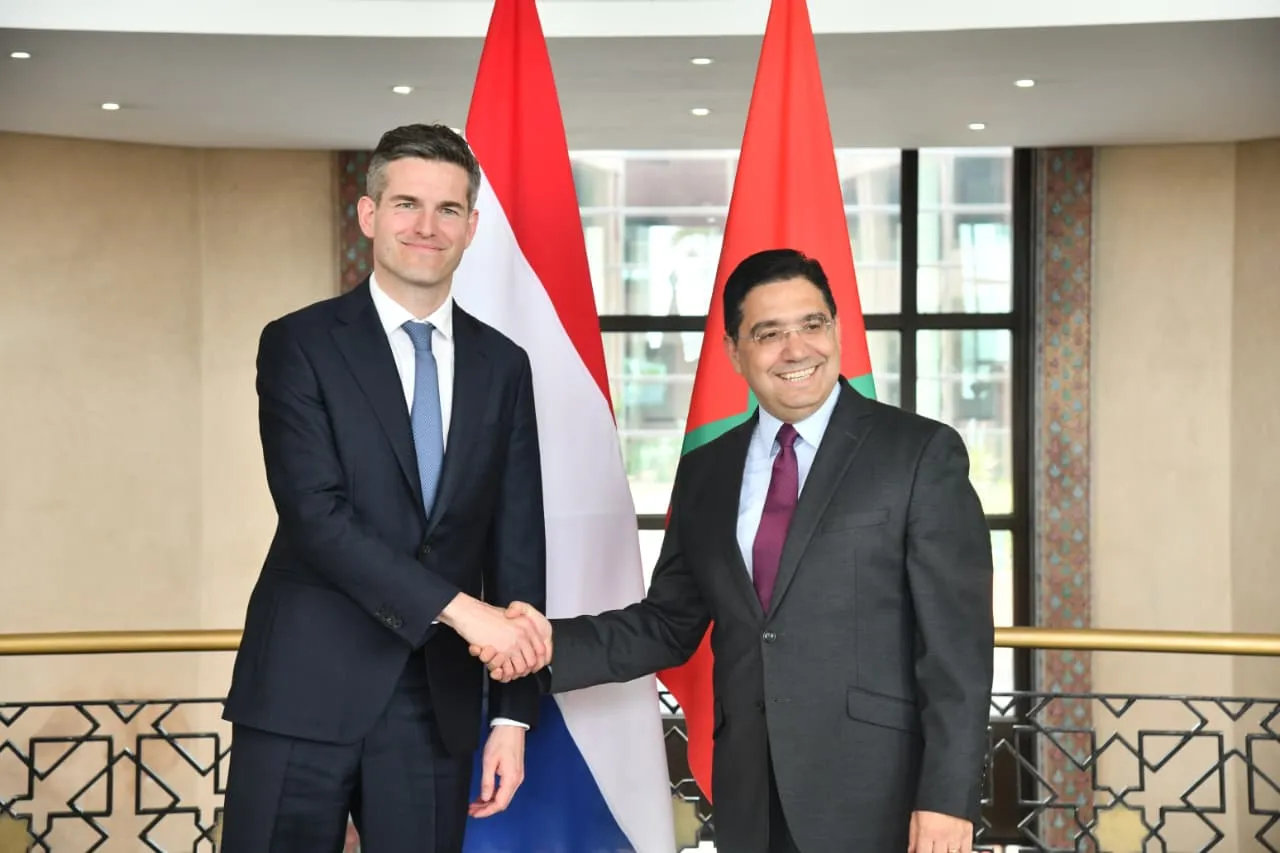
On April 7, Dutch Foreign Minister Tom Berendsen made a significant visit to Rabat for a two-day working engagement, marking his first official trip beyond Europe. This visit came shortly after The Hague announced that all affected parents had completed the complex 'comprehensive assessment' phase of a compensation process that has persisted for nearly five years. During his visit, a joint communiqué was released, showcasing diplomatic positivity. The Netherlands expressed its support for Morocco’s autonomy plan for Western Sahara, praised King Mohammed VI’s involvement in the Palestinian cause, and emphasized Rabat's strategic importance as a gateway to West Africa, the Sahel, and the Gulf. However, what remained unaddressed in this official dialogue was the plight of numerous Moroccan nationals who returned to their homeland destitute and in despair, now seeking reparations from a country they had fled.
The Consequences of a Flawed System
The scandal's roots can be traced back to an increasingly aggressive anti-fraud strategy that was adopted by successive Dutch governments. Parents applying for childcare subsidies – which provide means-tested financial support covering up to 96% of daycare costs for low-income families – were subjected to automated risk assessment systems that flagged certain applications for further scrutiny. Administrative errors, a missing document, or an incomplete application could trigger demands for full repayment, with some families being asked to return sums exceeding €100,000. Appeals were often met with delays or outright dismissals. Internal documents later revealed that officials were aware that innocent families would be caught in this web of scrutiny but deemed them as acceptable collateral damage. Investigations by parliamentary committees and a landmark report from Amnesty International, titled 'Xenophobic Machines', confirmed that racial profiling was not merely an unintended consequence but a deliberate aspect of the system. The algorithms used by the tax authority assigned higher risk scores to applicants with non-Dutch nationality, disproportionately impacting dual citizens, particularly those of Moroccan, Turkish, and Surinamese descent.
The human cost of this scandal has been staggering. Families experienced asset seizures, wage garnishments, and the destruction of their credit ratings. Marriages crumbled under the strain of financial and psychological pressure, while an estimated 1,819 children were taken into state care, removed from parents whose impoverishment was a direct result of the government’s erroneous demands. The discriminatory elements of the scandal have led to formal legal adjudications, with the Netherlands Institute for Human Rights ruling in September 2024 that the tax authority had engaged in prohibited discrimination based on race against a Dutch-Moroccan woman whose childcare benefits were unjustly revoked. This ruling highlighted a systemic issue where applicants with 'foreign characteristics' were overrepresented among the victims, underscoring the urgent need for accountability.
Despite the historic resignation of the entire Dutch cabinet in January 2021 following a report titled 'Unprecedented Injustice', the institutional structures that enabled the scandal largely remain. The compensation framework established afterwards offered each recognized victim a minimum of €30,000, with the total average compensation expected to reach around €190,000 per affected household. Yet, advocates express concern over the painfully slow pace of the compensation process, with the full resolution of outstanding cases not anticipated until late 2027. For many families, particularly those who returned to Morocco, the distance exacerbates the injustice. These individuals often lack the means to navigate the Dutch bureaucracy from abroad and may not even be aware of the compensation mechanisms available to them.
Moroccan diplomacy has a vital role in this context. Rabat has consistently prioritized the protection of its diaspora as a key component of its foreign policy, and the strengthening of ties with The Hague presents an opportunity for meaningful advocacy. Berendsen's recent visit resulted in agreements on judicial cooperation and asset recovery related to organized crime, but it is crucial for Moroccan officials to leverage this relationship to expedite the processing of compensation claims filed by Moroccan nationals. Ensuring consular assistance for victims and accountability measures that prevent cases from languishing in bureaucratic limbo is essential.
The toeslagenaffaire serves as a cautionary tale within European policy discussions regarding the dangers of automated governance and the risks posed to marginalized communities. It highlights the imperative for states to confront their structural biases and the need for a more compassionate approach to welfare that prioritizes the dignity of all citizens, regardless of their ethnic background. The Dutch state has begun to acknowledge the injustices of the past, disbursing billions in compensation and reforming parts of its tax authority. However, until every Moroccan family affected by these policies has been made whole, the warm diplomatic communiqués issued in Rabat remain mere promissory notes waiting to be fulfilled.
As reported by moroccoworldnews.com.