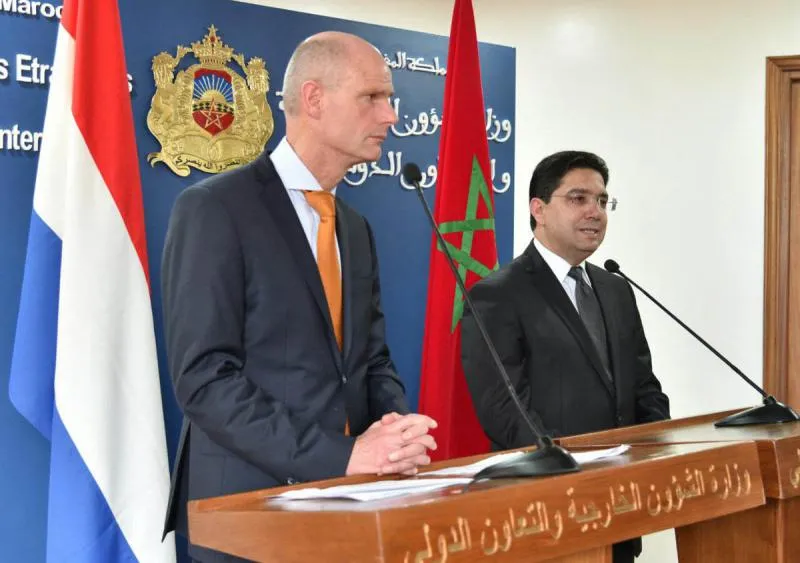
The Netherlands Endorses Moroccan Autonomy Initiative
In the realm of diplomacy, the choice of words is often deliberate, and sometimes a single phrase can indicate a significant strategic shift. The recent endorsement by the Netherlands of Morocco's autonomy initiative for the Western Sahara, articulated by Foreign Minister Tom Berendsen alongside his Moroccan counterpart Nasser Bourita, exemplifies such a consequential nuance. By characterizing autonomy under Moroccan sovereignty as 'the most viable solution,' The Hague has transitioned from a stance of cautious neutrality to one that, while still measured, carries profound strategic implications. This development does not signify a break from international consensus; rather, it represents a refinement that indicates a growing European inclination to favor realism over procedural ambiguity in addressing long-standing conflicts.
A Shift in European Diplomatic Landscape
The Western Sahara issue has for years been mired in the careful language of United Nations resolutions, including Security Council Resolution 2797, which emphasizes the necessity for a 'just, lasting, and mutually acceptable political solution.' However, beneath this diplomatic verbiage lies an unspoken acknowledgment: not all proposed solutions are equally viable. By explicitly endorsing Morocco's autonomy proposal as the most practical route forward, the Netherlands effectively narrows the range of credible options available. This shift is not occurring in a vacuum; across Europe, a trend has emerged that reflects both geopolitical pragmatism and a reassessment of regional stability priorities. Amid a backdrop of security challenges in the Sahel, energy concerns, and migration pressures, Morocco's role as a stable partner has gained newfound importance. Supporting a political framework seen as implementable is thus crucial not only for conflict resolution but also for maintaining regional order.
Equally important is the Dutch commitment to acting 'in accordance with its position' in both diplomatic and economic arenas. This underscores that the statement is not merely symbolic. It paves the way for a more coherent alignment between political rhetoric and practical engagement, encompassing investment decisions, development cooperation, and bilateral partnerships. In diplomatic practice, such coherence often distinguishes between symbolic gestures and real influence. At the multilateral level, the Netherlands has adeptly positioned its stance within the UN-led process, reiterating its support for the efforts of the Secretary-General’s Personal Envoy, Stefan de Mistura. This dual strategy—endorsing a specific framework while upholding the legitimacy of international mediation—illustrates a nuanced diplomacy aimed at reconciling principles with pragmatic considerations.
This evolution further bolsters the international credibility of Morocco's autonomy initiative, which has gradually garnered support from key international partners. For Europe, it signifies a broader strategic awakening: an understanding that unresolved conflicts in its southern vicinity are not merely distant issues but direct determinants of its own security and prosperity. What emerges from this situation is not a dramatic policy reversal but rather a significant convergence towards a solution that is both politically acceptable and operationally feasible. In the subtle language of diplomacy, this may very well be the most salient indicator yet of the future trajectory of this enduring dispute.
As reported by thearabweekly.com.