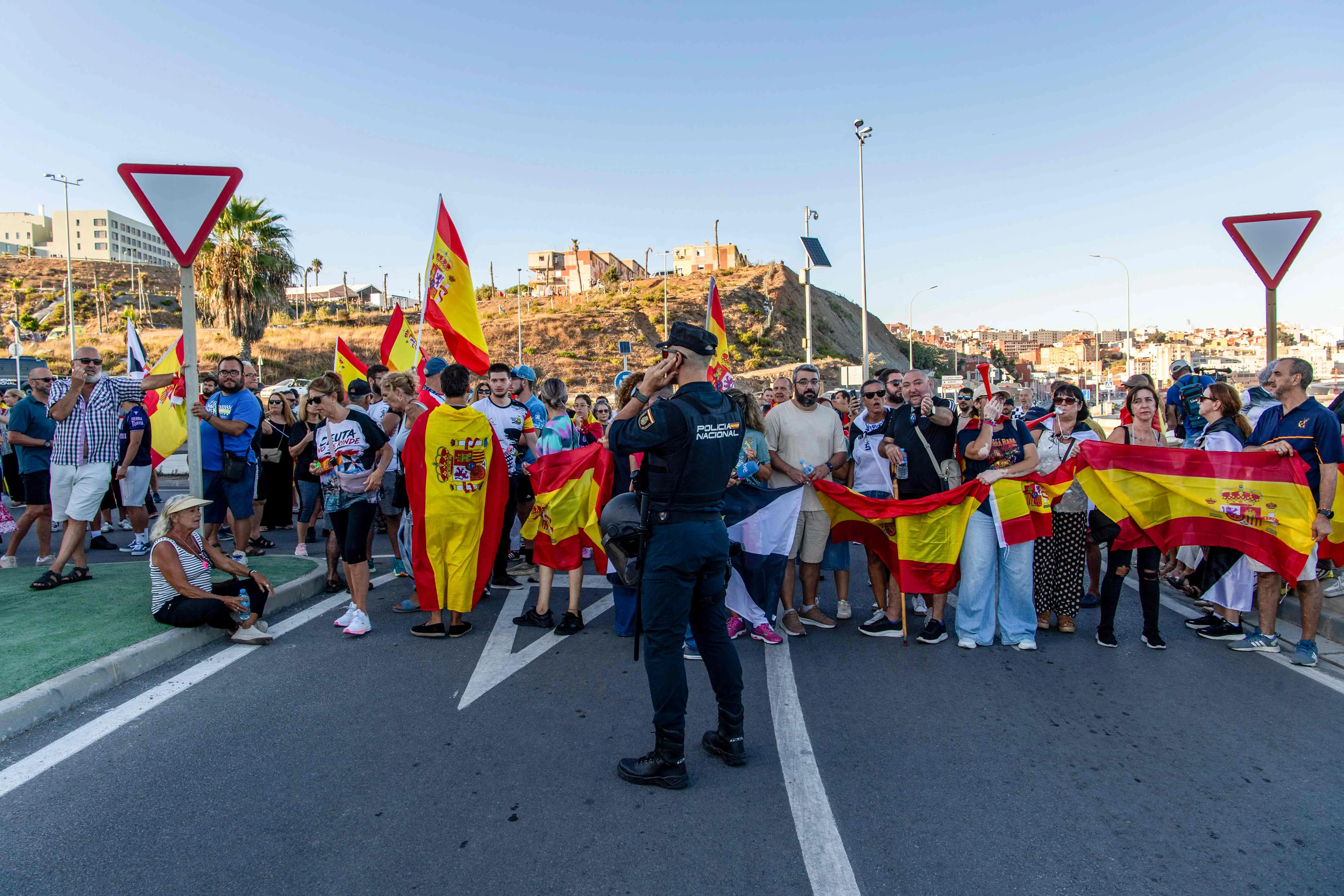
The Ceuta Crisis Remains Unresolved
Spain finds itself in a precarious position regarding its territorial integrity in North Africa, particularly concerning the autonomous cities of Ceuta and Melilla. Despite having significant defense agreements in place, namely the multilateral NATO pact and the bilateral arrangements with the United States concerning the Morón and Rota bases, neither of these agreements guarantees an automatic defense for Ceuta and Melilla in the event of aggression. The European Union (EU), however, does recognize the Spanish sovereignty over these territories, as outlined in Article 42, Section 7 of the EU Treaty, which states that member countries have an obligation to assist one another if one faces armed aggression on its territory. This recognition contrasts sharply with NATO's policies, which primarily ensure defense for North America, Europe, Turkey, and islands north of the Tropic of Cancer.
Implications of International Relations
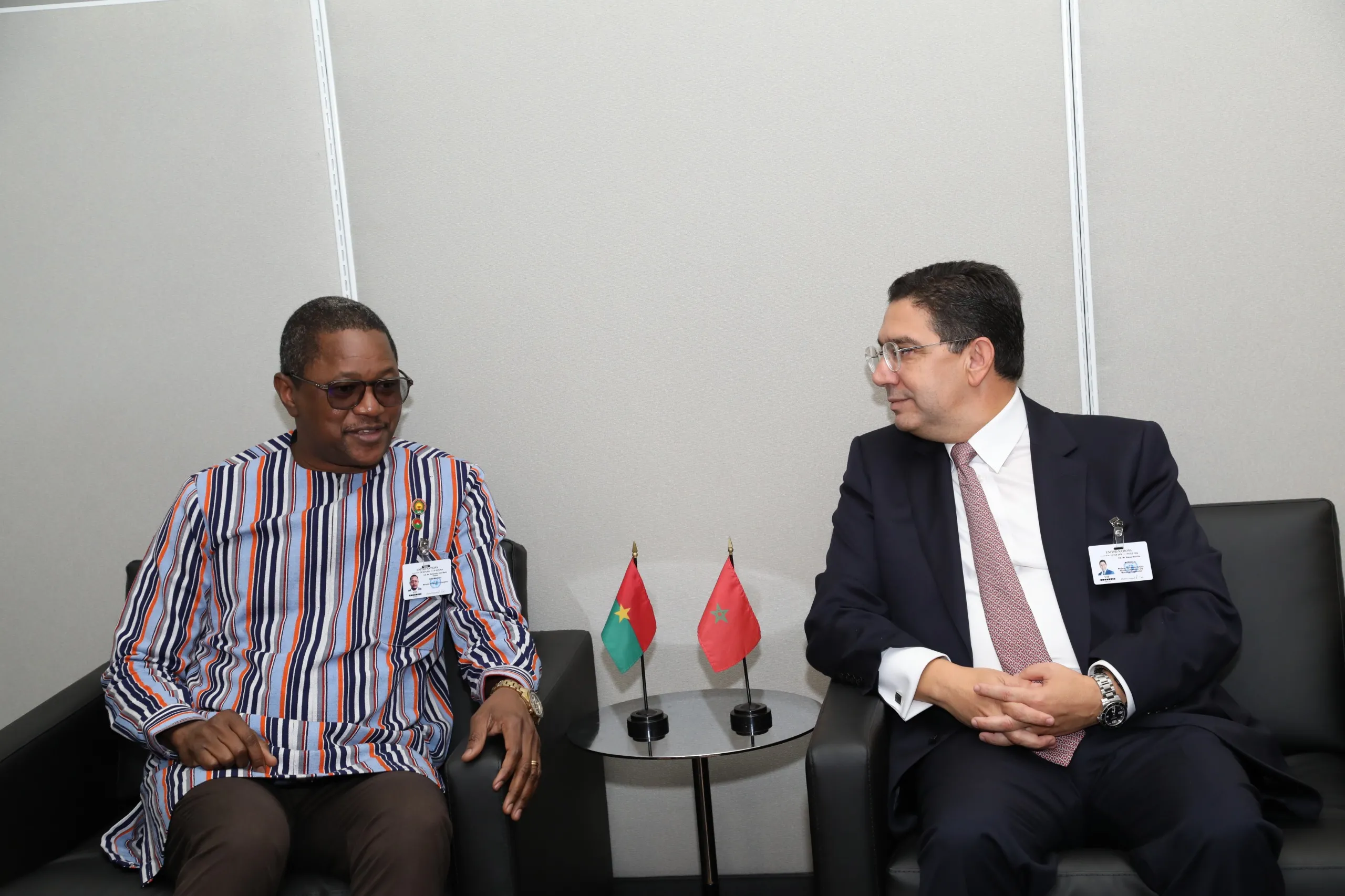
The geopolitical landscape has further complicated the situation, especially with the stances taken by Israel and the U.S. in support of Morocco during the Ceuta crisis. Speculations from Washington about a potential withdrawal of American troops from the Rota and Morón bases, or even their relocation to Morocco, raise concerns. Given the strategic importance of these bases for the U.S. missile defense shield in Europe, such a move seems implausible. The Spanish government under Pedro Sánchez has faced criticism for its handling of relations with Israel and the U.S., particularly after Sánchez's strong condemnation of their actions in Gaza and Iran, which some believe has inadvertently weakened Spain's position regarding Morocco.
The crisis has exacerbated the already tense political climate in Spain, particularly for Sánchez and the Socialist Workers' Party (PSOE), amidst ongoing corruption scandals. The political ramifications are evident, with the People's Party (PP) and Vox leveraging the situation to challenge the coalition government. Moreover, the unresolved status of approximately 2,000 migrants in Ceuta and over 1,000 unaccompanied minors adds another layer of complexity to the political discourse. This issue has sparked a new political confrontation among various factions within the government, particularly regarding the relocation of these individuals to different autonomous communities, which complicates humanitarian efforts.
The broader implications of the crisis extend beyond immediate political challenges, as the situation reflects a deeper malaise within Spanish governance, characterized by a series of poorly managed crises. As Sánchez contemplates the future from his retreat in La Mareta, the urgency for a government reshuffle becomes increasingly apparent, especially with critical elections looming. The looming question remains whether Sánchez can navigate this intricate web of political challenges while maintaining his position as the leader of the PSOE amidst growing calls for accountability and reform.
As reported by vozpopuli.com.