The debate surrounding the 2025 Africa Cup of Nations final is far from over, as new revelations and controversies continue to emerge months after the Confederation of African Football (CAF) Appeals Committee officially awarded the continental title to Morocco. This case, which has stirred significant discussion and speculation, is now characterized by two recent developments that have reignited tensions: investigative journalist Romain Molina's claims of irregularities during the initial review by CAF and the widespread circulation of a forged document purportedly from the Court of Arbitration for Sport (CAS) favoring Senegal.
Continued Questions Following the Initial Verdict
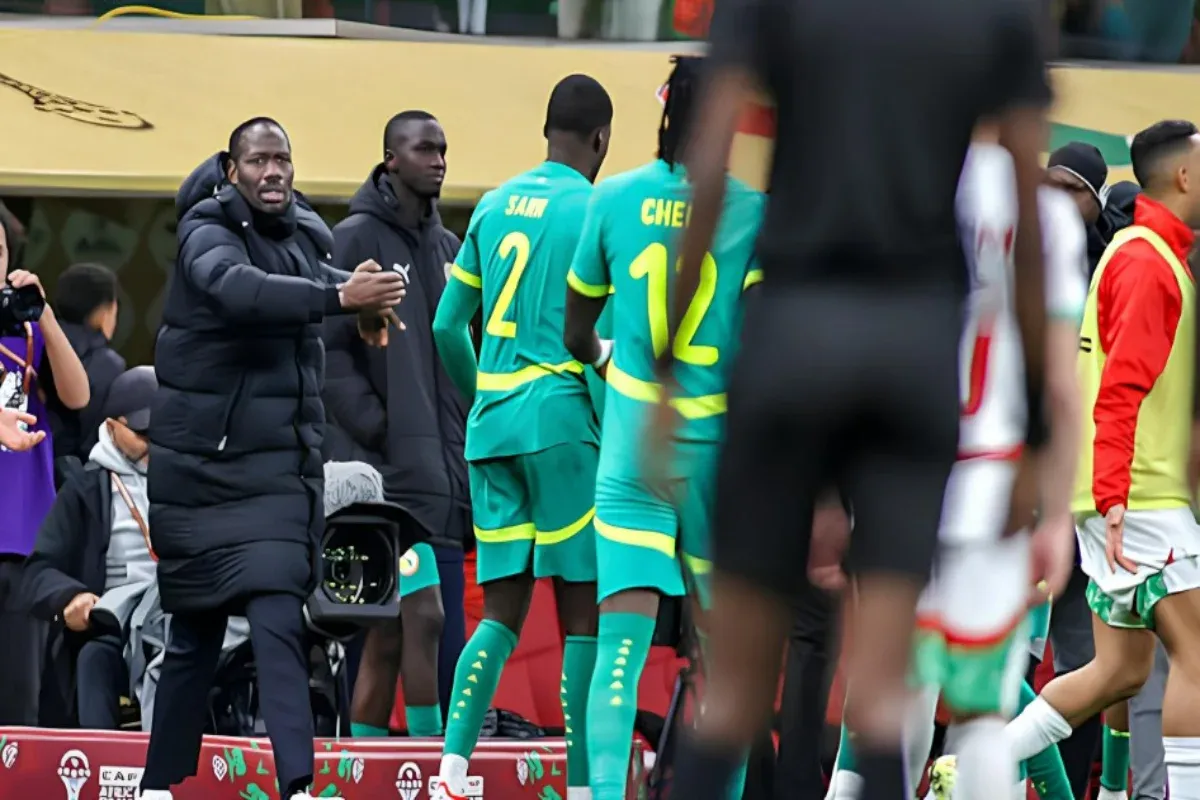
From the outset, Morocco contested the original decision made by the CAF's Disciplinary Committee. Despite the incidents that led to the premature departure of the Senegalese team from the pitch during the final, the committee dismissed the arguments presented by the Royal Moroccan Football Federation (FRMF) concerning the application of Articles 82 and 84 of the Africa Cup of Nations regulations. Instead, only individual and financial sanctions were imposed. The FRMF promptly decided to appeal this decision.
Weeks later, the CAF Appeals Jury reached a dramatically different conclusion. Upon re-evaluating the case, they determined that the regulatory provisions cited by the Moroccan federation had indeed been violated, resulting in the annulment of the initial ruling. Senegal was declared to have forfeited the match (3-0), and the title was officially awarded to Morocco. This significant reversal raised numerous questions about the contrasting analyses produced by two bodies within the same institution.
Romain Molina's Revelations and the Rise of Confusion
Adding fuel to the fire, Romain Molina's recent disclosures have sparked further debate. The French journalist, citing reliable sources, claimed that the initial verdict from the Disciplinary Committee had been "altered" to the detriment of Morocco. He suggested that there may have been pressures exerted on the committee's president, as certain CAF officials seemingly wished to avoid feeding into criticisms that the organization routinely favors Morocco. Another point raised was that the Moroccan delegation was given a notably limited hearing, with only one question posed during their appearance before the committee, raising concerns about adherence to procedural fairness.
At this point, Molina's assertions remain unverified in a judicial context, as neither CAF nor the individuals implicated have confirmed these accusations. However, they contribute to the ongoing speculation that has arisen following the abrupt turnaround between the initial decision and the one rendered on appeal.
Compounding the complexity of the situation, a document claiming to be a ruling from the CAS circulated widely on social media over the weekend, asserting that the CAS had annulled the CAF's decision and restored the continental title to Senegal. This information quickly spread across multiple platforms before being categorically denied. A source within the FRMF confirmed that no official notification had been received from the Lausanne-based jurisdiction. Moroccan lawyer Mourad Elajouti also denounced the document as fraudulent, emphasizing that no official decision had been made public. The official CAS website does not list any ruling regarding this appeal, as decisions of this significance typically warrant an official publication.
As it stands, the appeal initiated by the Senegalese Federation remains pending before the CAS. Legally, the situation is clear: in the absence of a CAS decision, the only enforceable ruling is that of the CAF Appeals Committee, meaning Morocco officially retains its title as the 2025 Africa champion. This protracted saga highlights the challenges faced by African governing bodies when managing high-profile cases that carry significant media and political implications. With contradictory decisions, allegations of interference, ongoing appeals to CAS, and disinformation campaigns on social media, this case has become a textbook example of issues in sports governance.
As reported by fr.hespress.com.