
Uncertainty Surrounding Unaccompanied Minors in Ceuta
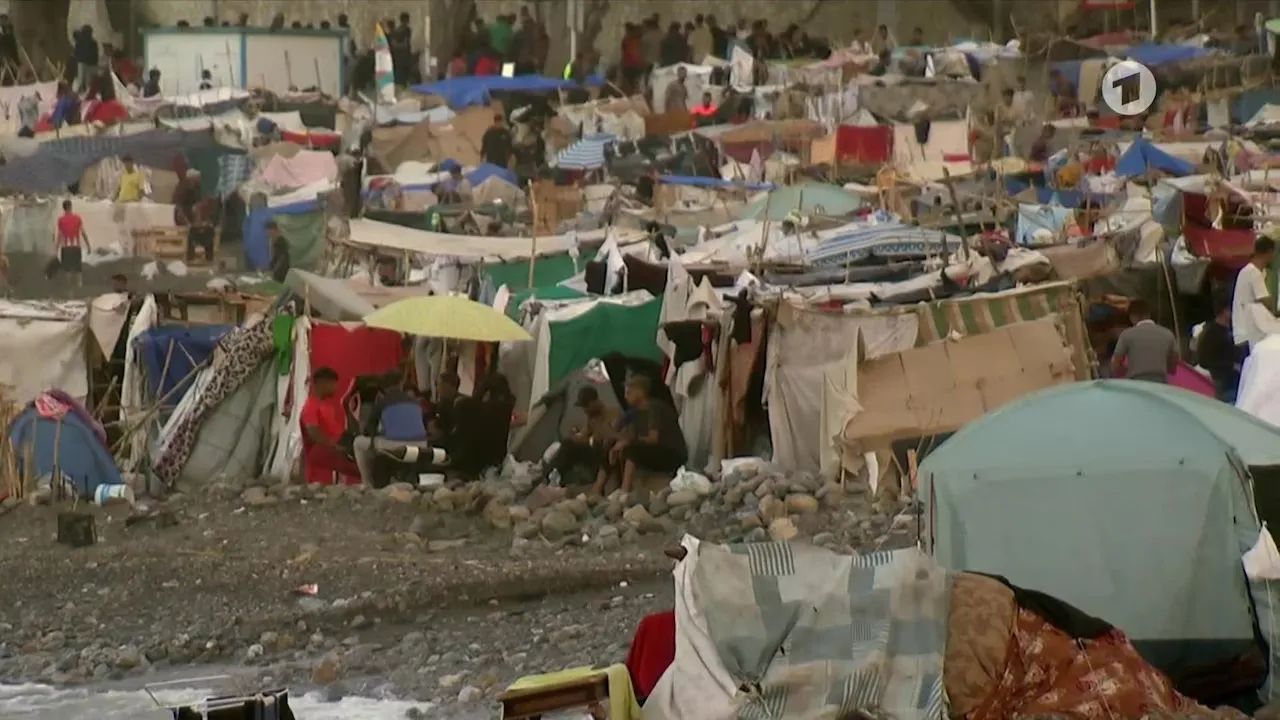
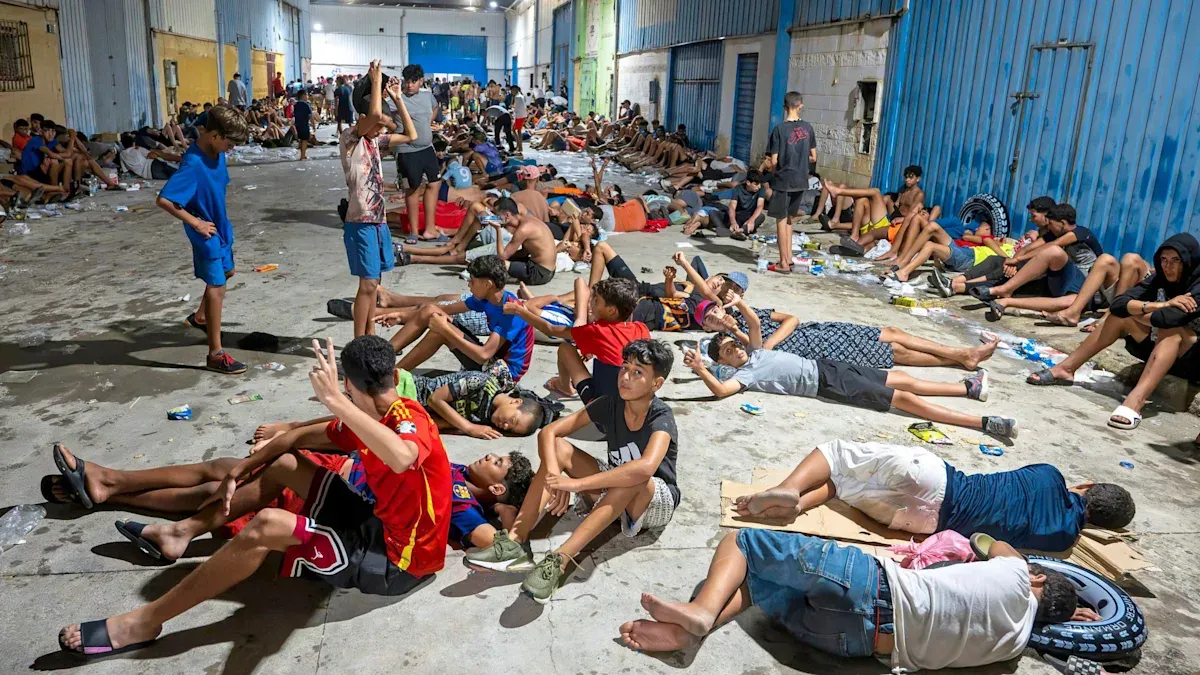
The situation regarding unaccompanied minors in Ceuta, Spain's North African enclave, has become increasingly precarious following a massive influx of approximately 72,000 migrants. While adult migrants have been swiftly returned, the repatriation of minors is effectively prohibited due to stringent national laws and international agreements prioritizing the welfare of children. As a result, these young migrants, predominantly from Morocco, have become pawns in the political discourse surrounding Spain's migration policy. Current estimates from the Ceuta administration suggest there are between 1,017 and 1,342 unaccompanied minors requiring care, with the number fluctuating as new data emerges. The existing reception center in Ceuta, however, is ill-equipped, with a mere 29 available spots, leading to the dispersal of minors across makeshift shelters and improvised facilities, including schools and repurposed industrial spaces.
The dire conditions for these minors have prompted concerns from various humanitarian organizations, particularly for the youngest among them, some as young as ten years old. Reports indicate that these vulnerable children face heightened risks, including potential sexual exploitation. Article 35 of Spain's immigration laws mandates that when a region's capacity is exceeded, minors must be transferred to the mainland within a maximum of 15 days. However, bureaucratic delays have extended this timeline significantly, often stretching into weeks or months.
Legal Framework and Regional Response
Under Spanish law, unaccompanied minors are subject to compulsory education and are granted a regular residence permit, which automatically translates into a full work permit once they turn 16. Although state guardianship ceases upon reaching adulthood, many continue to retain their residency and work rights, with relatively low financial barriers for renewal. Various regions also offer voluntary follow-up support programs until the age of 21 to assist these youths in transitioning into the workforce. Despite the legal framework allowing for the distribution of these minors to other European countries, the lack of political will among EU member states has hindered any meaningful progress in this regard.
Spain cannot deport these minors to other EU countries, as it has assumed legal guardianship over them. Furthermore, the absence of a mandatory distribution mechanism at the EU level complicates matters, with other countries likely to resist taking in these minors due to the associated care costs. The residence documents issued in Spain do not facilitate legal relocation or permanent residence in other EU countries. Should these youths move independently and be apprehended elsewhere in the EU, authorities there would be obligated to protect them and initiate guardianship proceedings in the interest of their welfare.
Regional governments, particularly those led by the conservative People's Party (PP) in coalition with the right-wing Vox party, have shown initial resistance to the automatic assignment of minors, even as they acknowledge the need to comply with Spanish legislation. Calls for stringent age verification and threats of legal action against transfer orders have emerged, with the regional president of Madrid advocating for the direct repatriation of these minors to their home countries. Such sentiments are echoed by right-wing parties across Spain, which have capitalized on the situation to stoke fears of an “invasion” by foreigners.
Media reports indicate that the minors themselves have varied aspirations; some wish to reunite with their families, while others see a future in Spain as a means to financially support their relatives back in Morocco. Officially, Morocco has expressed a willingness to cooperate with Spain on the repatriation of minors. However, past behavior suggests that Moroccan authorities often neglect identity verification requests from Spanish officials, complicating the repatriation process under Spanish law.
Speculation in Spanish media suggests that Morocco may have allowed the mass influx into Ceuta to demonstrate its leverage over Spain and Europe concerning migration at the southern border. Additionally, Morocco views Ceuta and its other enclave, Melilla, as occupied territories, and the internal pressures from lack of opportunities for the youth in Morocco make migration a tempting outlet.
As reported by welt.de.