
Migrant Challenges in Ceuta: A Struggle for Survival
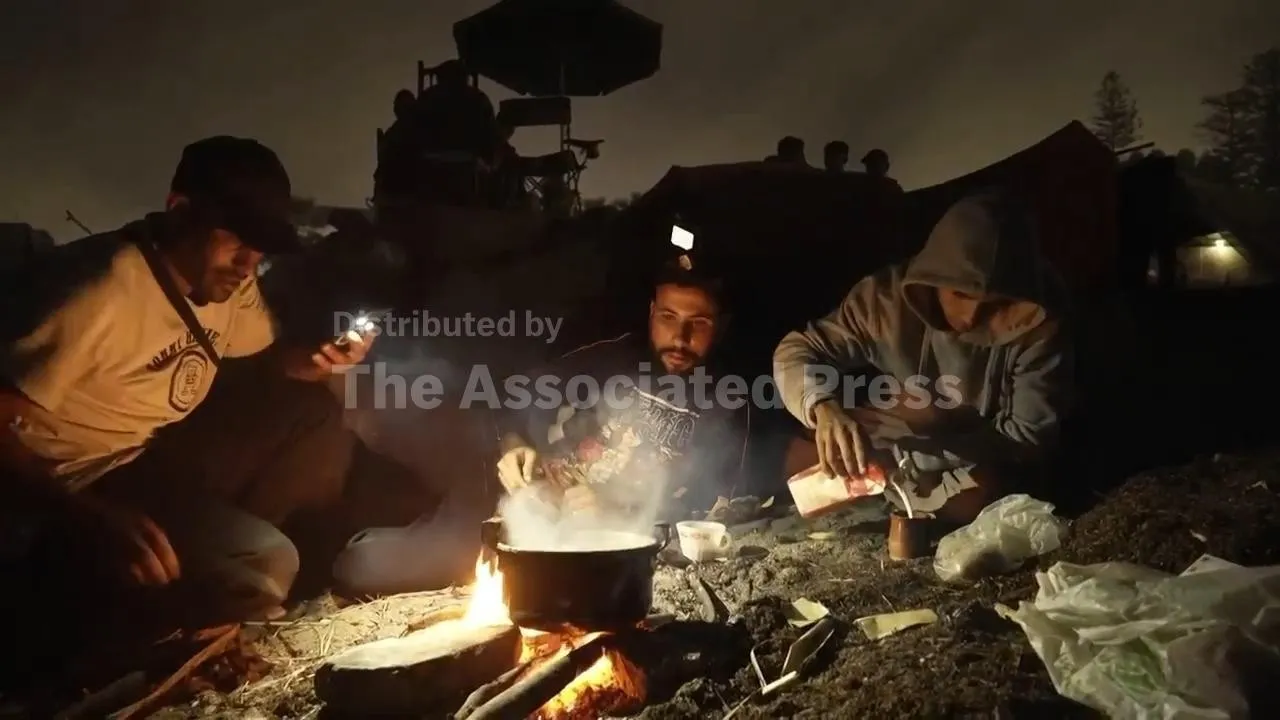
In the Spanish enclave of Ceuta, located on the northern coast of Africa, a significant number of migrants are enduring dire living conditions, as many continue to sleep on the streets or have set up makeshift camps on the local beaches. This situation has become increasingly dire in light of the recent mass migration crisis that has unfolded in the area, where thousands of individuals have sought refuge after crossing the border from Morocco. Reports indicate that the number of migrants who managed to enter Ceuta surged to approximately 72,000 in late July, prompting a response that has drawn both local and international attention.
The local government and various humanitarian organizations have struggled to cope with the influx, which saw many migrants quickly returned to Morocco, while around 5,000 individuals, including minors, remain stranded in Ceuta. Among them are Moroccan migrants like Said Aid Moussa, who has been living in a camp near El Trampolín beach for nearly three weeks. He describes the initial chaos of their arrival, moving from one location to another, often at the request of military personnel who directed them to the beach area. Their plight is compounded by the uncertainty surrounding their legal status and the challenges they face in applying for asylum.
Osman Mohamed, another Moroccan migrant from Casablanca, articulated the frustrations felt by many in his position, questioning why Moroccans are seemingly excluded from the asylum process that other nationalities can navigate more easily. He emphasizes that despite having the right to seek asylum, systemic barriers appear to disadvantage them compared to migrants from sub-Saharan Africa or other Arab nations. This sentiment resonates deeply amid the backdrop of a national holiday in Ceuta, during which the usual celebrations were overshadowed by the ongoing humanitarian crisis.
This situation in Ceuta is not merely a local issue; it reflects broader trends in migration patterns fueled by conflict, economic hardship, and the desperate search for safety and opportunity in Europe. The sudden influx of migrants has strained local resources, leading to tensions among the residents, many of whom are grappling with their own challenges. As the crisis continues to evolve, the question remains: how will authorities address the immediate needs of these vulnerable populations while also ensuring a fair and humane asylum process?
As reported by youtube.com.