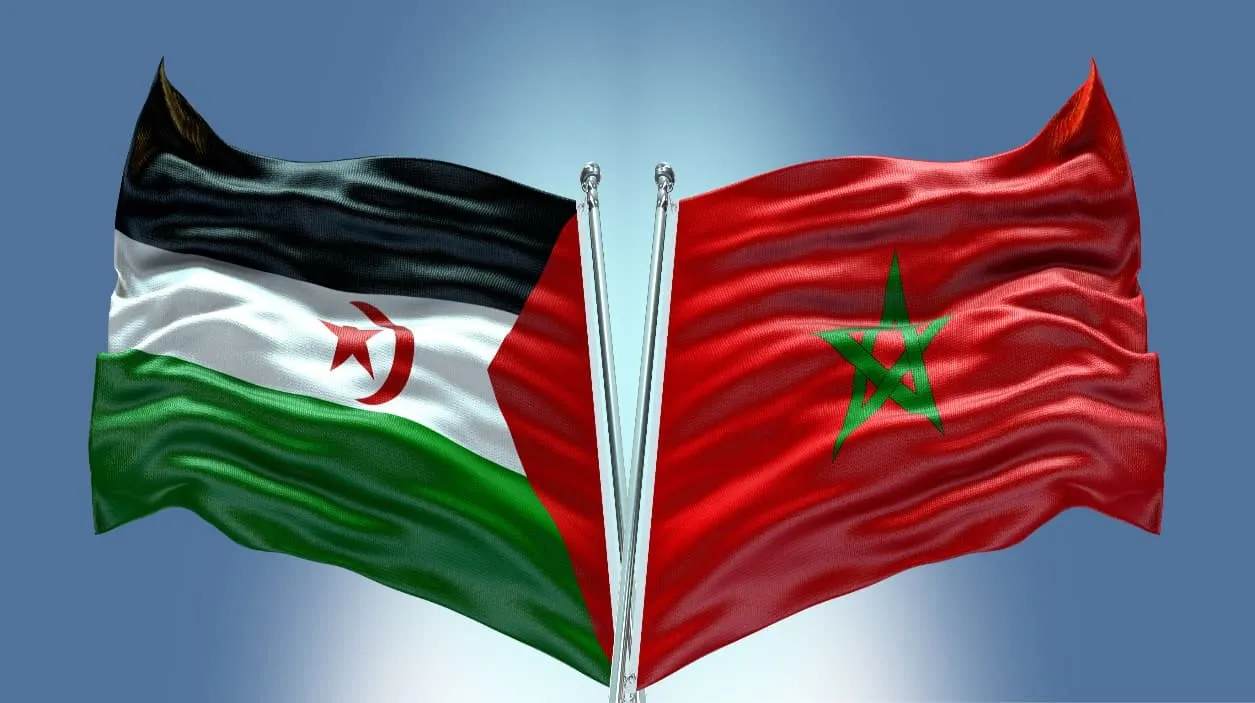
The Normalization of Western Sahara: A Dangerous Shift
As of August 21, 2026, the narrative surrounding Western Sahara continues to evolve, characterized by a gradual transformation of an unresolved decolonization issue into a semblance of normalcy. This phenomenon, which is subtly unfolding, poses significant implications for international law and the rights of the Sahrawi people. The ongoing developments in tourism, infrastructure, and international recognition reflect a process where Morocco is attempting to reshape perceptions of its occupation in the region, effectively encouraging the world to cease questioning the legitimacy of its presence.
Take Dajla, for instance, a city that exemplifies this shift. European airlines like Transavia have begun marketing flights to Dajla, referring to it as being located on the "southern coast of Morocco." This portrayal lacks any political declarations, allowing tourists to purchase tickets, book accommodations, and inadvertently accept a version of geography that contradicts the United Nations’ recognized stance. Such marketing strategies serve to normalize the perception of Moroccan sovereignty over Dajla, effectively sidestepping the complexities of international law.
The Infrastructure and Economic Transformation of Dajla
The Moroccan government is not only promoting tourism but is also investing heavily in infrastructure, with the Dakhla Atlantique port project slated to cost approximately 13.6 billion dirhams. The city is being positioned as a hub for tourism, film production, and investment opportunities. While each new road, hotel, and festival has clear economic purposes, collectively, they contribute to a political transformation that makes administering the territory as if it were part of Morocco seem increasingly ordinary. This juxtaposition reveals a troubling paradox: while marketing materials may erase the legal boundaries, European courts continue to reaffirm that Western Sahara is distinct from Morocco. In October 2024, the Court of Justice of the European Union reiterated that any agreements affecting the region require the consent of the Sahrawi people, underscoring the continuing validity of international law in the face of normalization efforts.
Despite the passage of time and the ongoing occupation, the United Nations maintains its position, listing Western Sahara as a Non-Self-Governing Territory since 1963 and keeping the issue alive within its decolonization agenda. The legal status of the territory remains unchanged, and fifty years of occupation have not transformed it into a Moroccan province. However, this reality exists in stark contrast to the daily experiences of those who may encounter Dajla as a vacation destination, explore luxury resorts, or attend festivals under Moroccan administration, all while remaining unaware of the unresolved political questions at play.
This normalization process is not unique to Western Sahara; history is replete with instances where prolonged conflict attempts to establish legitimacy through the passage of time. Initial resistance may eventually give way to fatigue, leading to a troubling risk of acceptance of the status quo. The exceptional may become mundane simply because it has persisted for too long.
Ultimately, Morocco's most significant achievement may not lie in securing universal recognition of its sovereignty over Western Sahara but rather in fostering an environment where airlines, businesses, tourists, media, institutions, and citizens act as though the matter is settled. The Sahrawi people have been engaged in this battle for fifty years, grappling not only with the occupation of their land but also with the insidious effort to make the world forget that this is, indeed, an occupation.
As reported by noteolvidesdelsaharaoccidental.org.