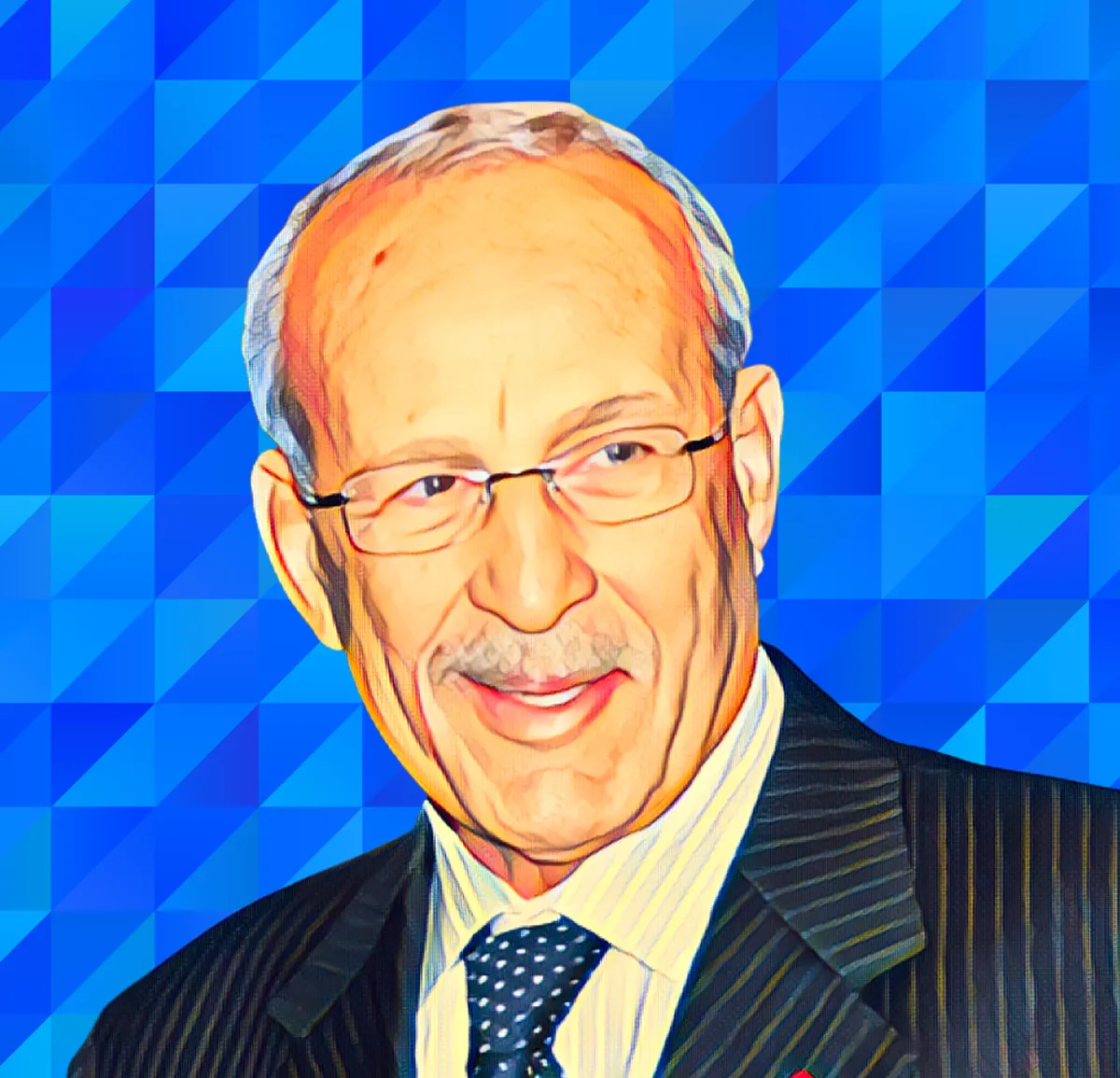

The heirs of Miloud Chaabi, a prominent Moroccan billionaire recognized for establishing one of the nation’s largest private conglomerates, continue to experience significant divisions a decade after his passing. This ongoing discord has resulted in the leadership of the family-owned Ynna Holding changing hands multiple times since 2016, reflecting the complexities and challenges of family business succession. A special report by Telquel highlights the Chaabi family’s situation as a quintessential example of the pitfalls that can occur when a founder's succession plan remains unresolved.
Miloud Chaabi, who passed away on April 16, 2016, at the age of 86, initially placed his wife, Mama Tajmouati, in the role of chairperson following his death. However, by January 2019, his son, Fayçal, was appointed as chairman and chief executive officer. This leadership dynamic has once again shifted, with Tajmouati currently reinstated as chair and CEO. Even during his lifetime, Chaabi had attempted to allocate responsibilities among his children, including his daughter Asma, but such early planning did not prevent the subsequent disputes that have emerged among the heirs.
Chaabi's journey from humble beginnings to becoming a successful industrialist is one of Morocco's most celebrated business narratives. Born in 1930 in a village near Essaouira, he started his life herding goats and learning to read at a mosque. At the young age of 18, he founded his company with just two employees, naming it Ynna, a term derived from the Berber language meaning 'mother,' as a tribute to his own mother. By the time of his death, Ynna Holding had evolved into a vast conglomerate, employing around 20,000 individuals and diversifying into various sectors, including public housing, the Aswak Assalam supermarket chain, the Ryad Mogador hotels, and the SNEP petrochemical company.
Despite the ongoing family disputes, Ynna Holding continues to function effectively. The company’s website showcases the leadership of its subsidiaries, highlighting professionals brought in from outside Morocco, and emphasizes that several of its key businesses are led by women. According to Zakaria Fahim, a consultant specializing in advising African family businesses on succession matters, the Chaabi family recognized early on the necessity of independent managers who possess substantial autonomy, especially as new generations entered the family fold. He noted, "It was essential that the family not disrupt the company's operations, even if there were disputes over certain specific issues." This strategy has served as a kind of firewall, allowing the business to operate amidst internal disagreements, although the underlying conflicts remain unresolved.
The situation of the Chaabi family is emblematic of a broader challenge facing the Moroccan economy, where family-owned businesses constitute a staggering 92.9% of the sector, contributing approximately 6.3 million jobs and over 60% of national value added. A national study conducted by the Moroccan Family Business Institute, with support from the International Finance Corporation, revealed that only 15% of Moroccan family businesses manage to survive into the third generation, and a mere 5% endure for 50 years or more. Kacem Bennani-Smires, the president of the institute, has cautioned that unsuccessful successions can lead to job losses and skill depletion, posing risks not only to the families involved but also to the broader economy.
In contrast to the Chaabi family's ongoing struggles, other major Moroccan family enterprises have opted for different succession strategies. For instance, Othman Benjelloun, at 93 years of age, continues to manage Bank of Africa, with neither of his children stepping into the banking sector. Similarly, the founders of the construction group SGTM chose to sell 20% of the company in a stock market listing in December 2025, allowing them to retain control while attracting outside investment. As Ynna Holding, the business that Miloud Chaabi started with just two employees, navigates its tenth year without him, the family’s unresolved differences underscore the complexities of family business succession and its implications for the future.
As reported by billionaires.africa.