
Exploring the Direct Power Connection Between France and Morocco
Currently, France and Morocco are exploring the feasibility of a direct power connection across the Mediterranean Sea, a project that promises substantial investments and closer economic integration between the two nations. However, this initiative raises three critical questions, particularly concerning the political status of Western Sahara. On July 16, during a government meeting in Rabat, both countries announced the commencement of procedures to establish this direct connection, aiming to identify economically viable methods for transporting renewable energy from Morocco to France. Yet, several uncertainties remain, including the proposed route of the cable, its capacity, and the entities responsible for financing and construction.
This ambiguity surrounding the project renders it politically sensitive, as it currently resembles more of a promise than a finalized energy initiative. Morocco is expected to emerge as a significant producer of green energy for Europe, while France is set to provide capital, technology, and access to the European market. French Prime Minister Sébastien Lecornu highlighted the potential for joint value chains and new synergies between businesses from both countries during discussions in Rabat.
Political and Economic Implications of the Energy Initiative
The power cable initiative is part of a broader rapprochement between France and Morocco, which has been influenced by various factors, including visa restrictions and conflicts over intelligence and judicial cooperation. Notably, the long-standing ambiguity regarding France's position on Western Sahara has strained relations. A significant turning point occurred in 2024 when President Emmanuel Macron officially supported Morocco's sovereignty claim over the region. Since then, Paris and Rabat have gradually accompanied this political reconciliation with agreements in security, defense, industry, transportation, and energy.
France is an unusual buyer given its status as Europe’s largest electricity exporter, boasting a net export surplus of 92.3 terawatt-hours in 2025. This situation is primarily due to the high share of nuclear energy, with over 95% of French electricity generation being considered low in CO2 emissions. Thus, the proposed cable project does not necessarily aim to address an acute electricity shortage; however, electricity trading often balances varying prices, consumption peaks, and production profiles, making such a connection economically appealing even when a country exports more than it imports over the year.
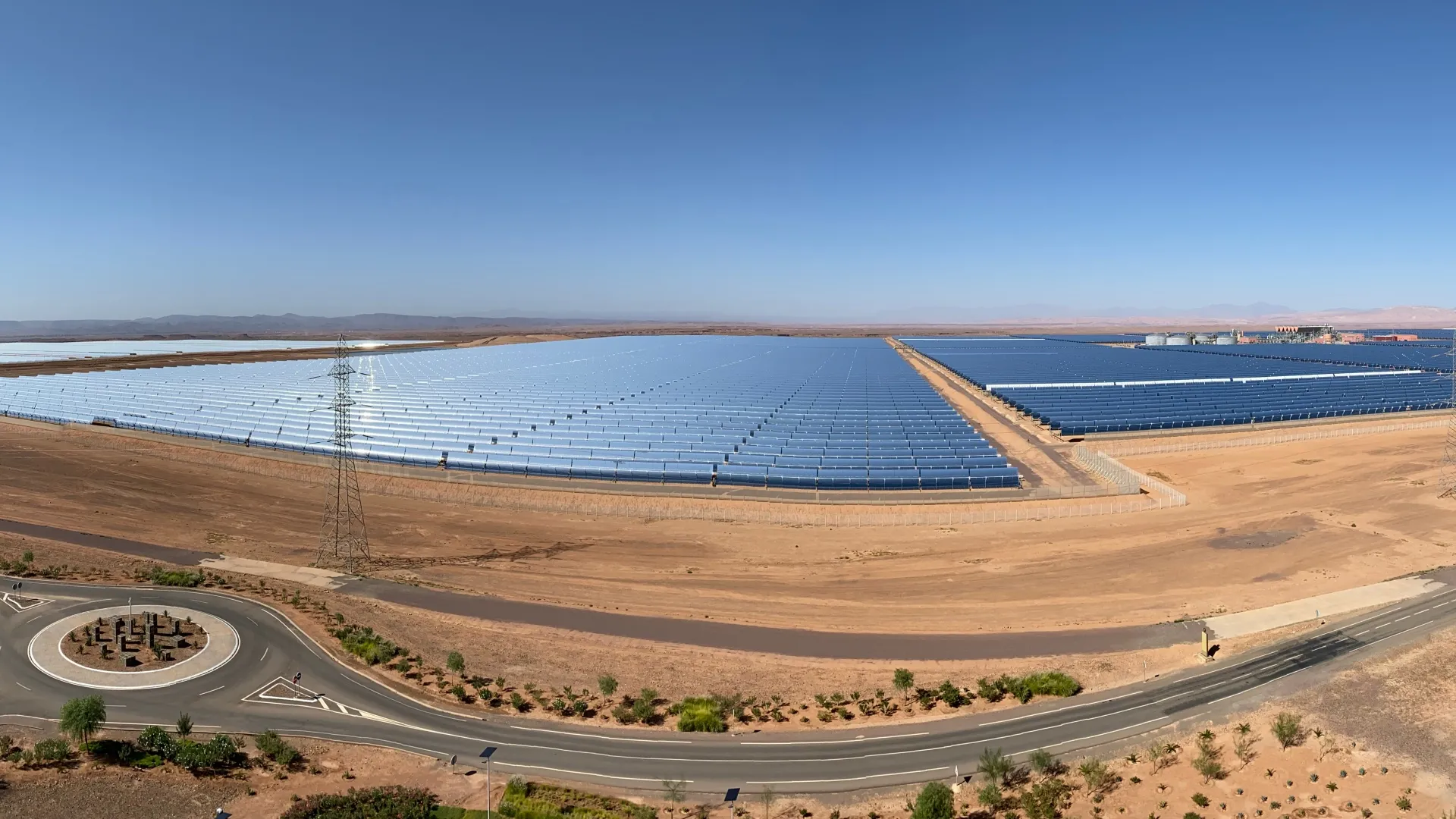
Moreover, Morocco's potential to utilize electricity exports to finance its own wind and solar parks highlights the complexities of this partnership. Long-term purchase agreements with European clients could mitigate risks for investors and mobilize capital for generation, storage, and transmission projects. Morocco is often hailed as a leader in the energy transition in North Africa, with 45.4% of its installed power capacity from renewable sources by the end of 2024, aiming for a minimum of 52% by 2030. However, the actual power generated can vary significantly due to weather conditions, and the country has faced severe droughts, further complicating its energy landscape.
In conclusion, the energy bridge between France and Morocco has the potential to yield significant benefits for both nations. European purchase agreements could facilitate the financing of renewable energy generation facilities, accelerate the expansion of storage and electricity networks, and enhance Morocco's integration into European industrial and energy markets. However, this collaboration must address the geopolitical complexities surrounding Western Sahara, ensuring transparency in the origin of electricity and the projects involved to avoid exacerbating unresolved territorial disputes.
As reported by magazin.zenith.me.