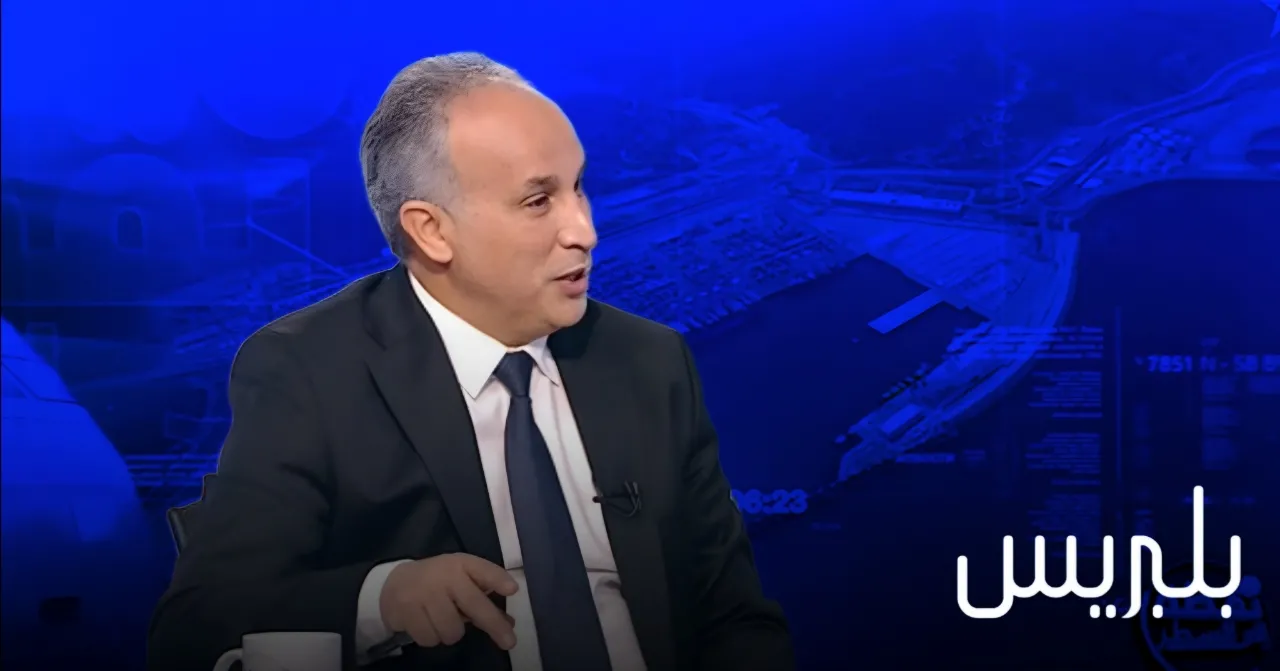

In the realm of politics, certain individuals do not require constant media presence to assert themselves within party organizations. Samir Koudar is one such individual. His influence is not built on frequent statements or continuous visibility but rather on years of dedicated party work and electoral engagement, particularly in the Marrakech-Safi region. Koudar understands that political maneuvering often takes place away from the cameras, thriving in meetings, daily interactions with elected officials and activists, and discussions regarding candidates, electoral districts, and alliances. This gradual accumulation of influence within the Party of Authenticity and Modernity (PAM) reflects a deep understanding of the inner workings of political organization without necessarily being one of its most attention-grabbing leaders.
The Marrakech-Safi region stands out as a significant component of Koudar's political journey. His insights into the electoral landscape and the dynamics between local actors are not simply acquired from desks but stem from direct engagement in the field. Consequently, he is regarded within the party more as an organizational man than a media figure. His core strengths lie in his communication skills, resilience, relationship-building, and an acute understanding of local power balances—elements that become increasingly critical as elections approach.
Ultimately, elections are not merely about names announced at party conferences or lists published before voting. Behind every candidate lies a web of local calculations, and every electoral district is interconnected through a network of relationships. The groundwork for every electoral outcome begins long before the official campaign kicks off. This is precisely the arena in which Koudar has excelled over the past years. He has not sought to craft the image of a flamboyant politician but instead focused on solidifying his position within the organization and maintaining his presence among local stakeholders.
However, this approach also presents Koudar with a significant challenge. Organizational strength alone does not guarantee success at the ballot box. The ability to manage the organization must translate into electoral victories, especially as parties prepare for upcoming contests where competition will be fierce in numerous districts. This underscores the importance of Koudar's role within PAM. The party requires leaders who know how to operate on the ground, not just those who can articulate their vision in front of the media. It appears that Koudar has deliberately chosen this specific role.
While he may not be the most prominent figure in the media landscape, his name is difficult to overlook when it comes to matters of organization and elections. This might be one of his strengths: his political presence is less reliant on the spotlight and more on what he has built within the party and in the field. With the electoral deadlines approaching, the true test will emerge. Everything Koudar has built organizationally over the years will be put to the test at the ballot boxes.
There, the value of this quiet strength will become evident, determining whether the organizational influence he has cultivated can yield genuine electoral power and contribute to reshaping PAM's new political landscape. Within the organizational framework of the Party of Authenticity and Modernity, Samir Koudar has distinguished himself in recent years as one of the figures who opted to build political influence away from media noise, relying on a gradual organizational presence and capability to manage electoral and party matters with poise.
Koudar's strength does not merely arise from his position within the party but also from a network of organizational relationships he has established throughout his political career, particularly in the Marrakech-Safi region, where he has become one of the influential figures in shaping electoral outcomes and managing internal balances.
Political observers describe him as a model of 'quiet strength' within PAM; he does not necessarily rely on loud presence or frequent statements but rather bets on fieldwork, connecting with elected officials and activists, and closely following electoral developments from within the structures. The significance of this role becomes even more pronounced as elections near, where the ability to organize ranks, manage local alliances, and mobilize grassroots support becomes crucial in translating organizational strength into electoral success.
Analysts note that Koudar's experience reflects a transformation within the Moroccan political landscape, where political strength is no longer measured solely by the volume of media statements or public appearances but rather by the capacity to build a cohesive organization and maintain a presence in the field. His calm approach to managing political and organizational issues has allowed him to retain his position within the circle of influential names in a time when political organizations face rising competition for leadership roles and preparation for upcoming elections.
As the Party of Authenticity and Modernity gears up for new electoral challenges, all eyes will be on how its organizational leaders can convert the groundwork laid over the years into electoral gains. In this context, Samir Koudar emerges as one of the actors working on this challenge behind the scenes, characterized by a calm organizational presence and a gradual electoral footprint. For him, the goal does not seem to hinge on crafting a loud political image but on building influence step by step, making his experience a prime example of what can be termed 'quiet electoral strength' within the Party of Authenticity and Modernity.
In the language of linguists, Samir Koudar is a true 'artisan' in the political arena, adept at navigating its complexities and formulating strategies that align with the evolving landscape of Moroccan politics.
As reported by belpresse.com.