
The Unforeseen Political Awakening at Azrou College
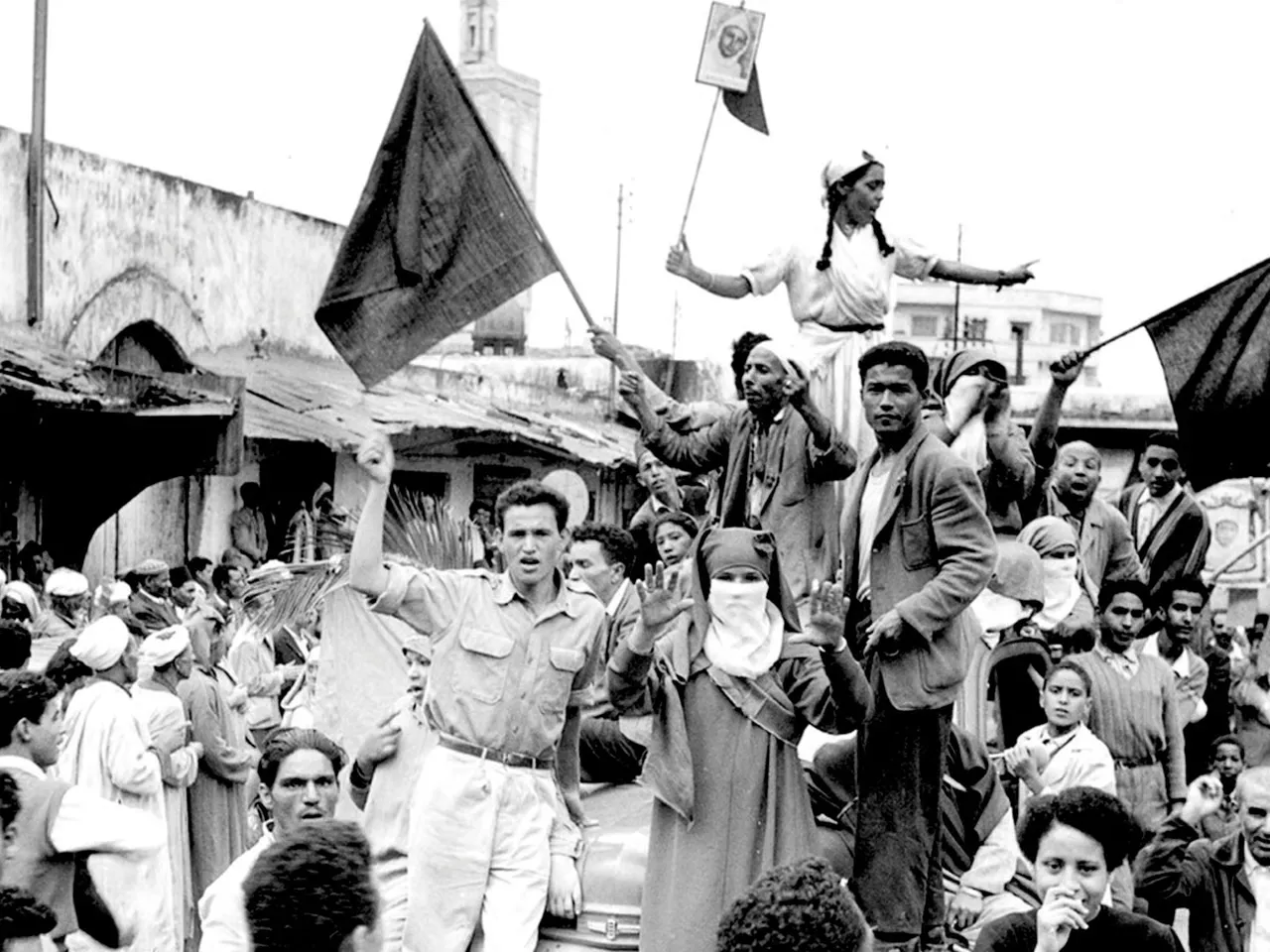
In the early 1940s, the French Protectorate in Morocco adopted a strategy known as the "Berber policy," aimed at isolating students from the Azrou College from the nationalist movements that were sweeping through the rest of the country. This approach, however, began to unravel as the political consciousness among the youth burgeoned, revealing a dynamic the authorities had neither anticipated nor effectively managed. The college, initially envisioned as a breeding ground for a compliant Amazigh elite, instead became a cradle of political activism and resistance.
Azrou College, a cornerstone of the French education system in Morocco, was designed to cultivate a generation of Berber leaders who would support the colonial administration. Yet, contrary to the colonial aspirations, many of its graduates emerged as key figures in the Moroccan independence movement. This transformation can be traced back to the ideological undercurrents present within the institution, which ultimately propelled its students into roles as ministers, judges, and military leaders, including thirteen generals who played significant roles in post-colonial governance.
The educational framework established by the Protectorate, which aimed to maintain control and suppress nationalist sentiments, ironically contributed to the very resistance it sought to quell. As students at Azrou became increasingly aware of their historical and cultural identity, they started to challenge the status quo, leading to a significant political awakening that would shape Morocco's future. The narrative of Azrou College is not merely a reflection of educational policies but a testament to the resilience and agency of a generation that would not be subdued.
As reported by jeuneafrique.com.