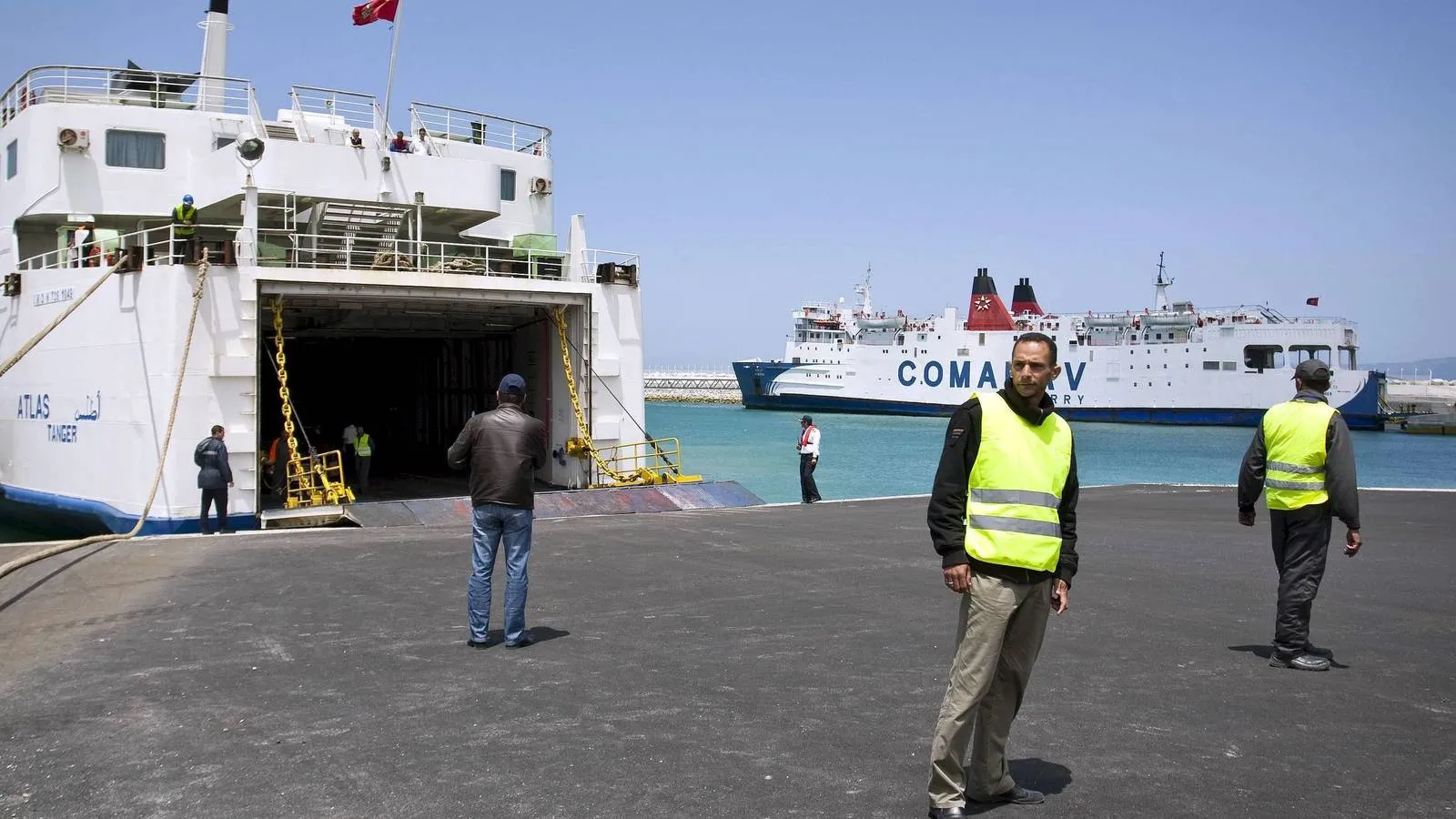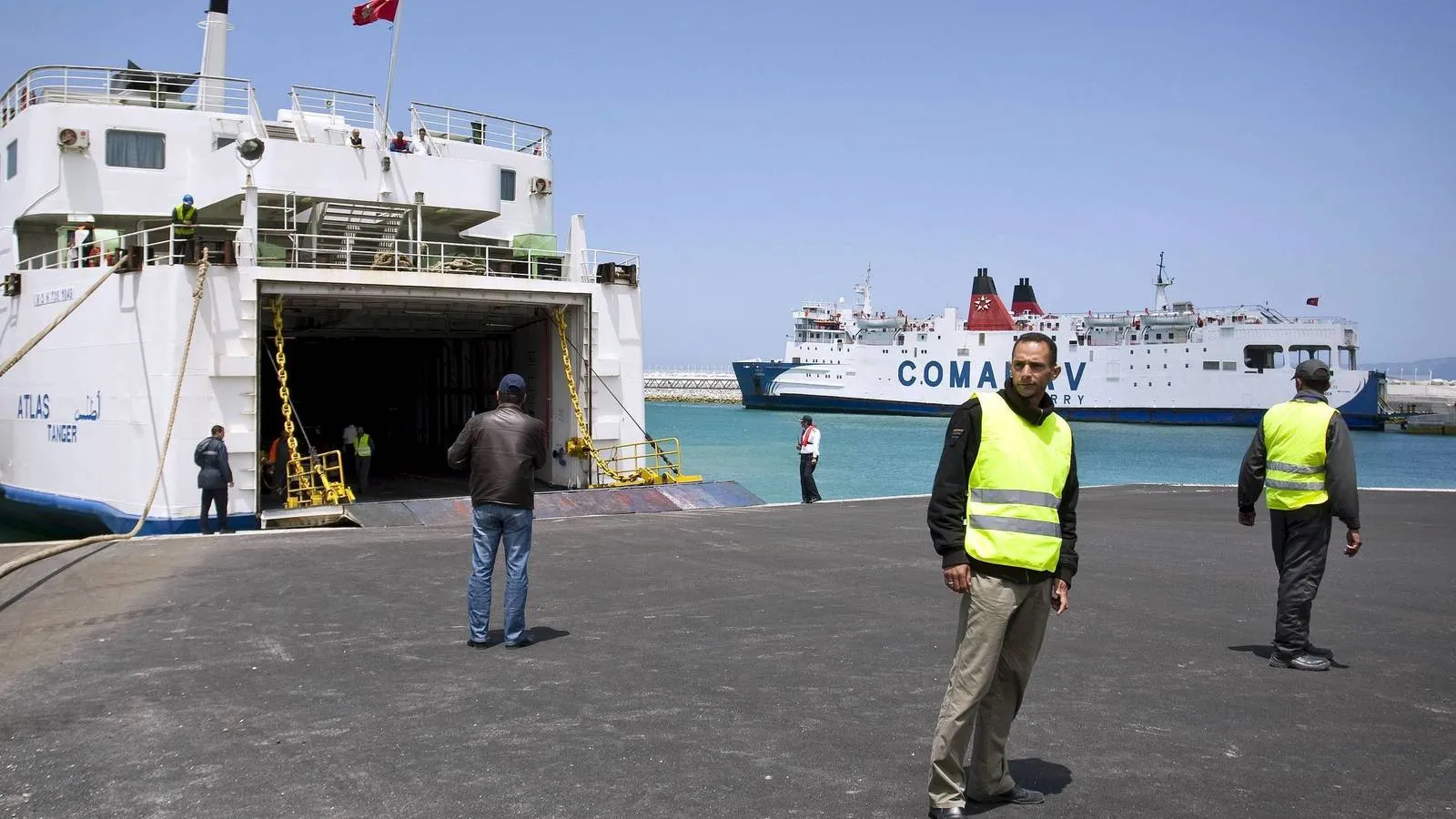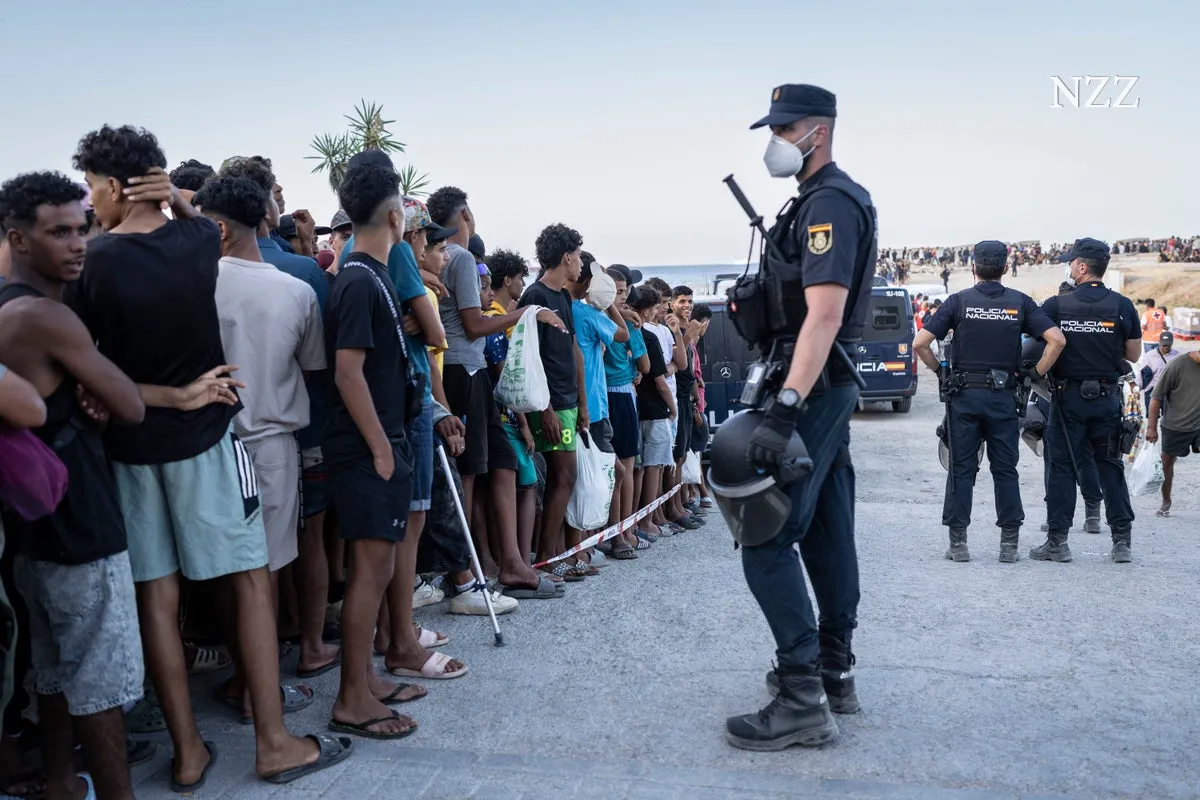

In the early hours of dawn, as the sun rises over Trampolín beach, the Spanish enclave of Ceuta finds itself under the watchful eyes of law enforcement. The police have deployed vehicles, excavators, and trucks to clear the coastal area located just northwest of Ceuta’s city center, a region currently overwhelmed by the presence of thousands of migrants seeking refuge. This situation has escalated to a state of emergency, pushing the local community to its limits as they grapple with the challenges posed by the influx of displaced individuals.
The migrant population in Ceuta has surged dramatically, with many individuals arriving from war-torn regions and impoverished countries in search of safety and a better life. The sheer number of people stranded here has strained local resources, leading to heightened tensions between residents and migrants. Many locals express feelings of frustration and helplessness, as they witness their community being overwhelmed by the urgent humanitarian crisis unfolding around them.
The conditions faced by these migrants are dire. With limited access to basic necessities such as food, clean water, and medical care, many are left vulnerable and desperate. Humanitarian organizations are working tirelessly to provide assistance, but the scale of the crisis often exceeds their capacity. The local government is also struggling to manage the situation, caught between the need to support the migrants and the demands of the local populace who are concerned about their own well-being.
As the situation continues to evolve, the resilience of both the migrants and the local community is being tested. The need for a comprehensive and compassionate response is more critical than ever, as Ceuta stands at a crossroads, navigating the complex realities of migration, local governance, and humanitarian aid.
As reported by nzz.ch.