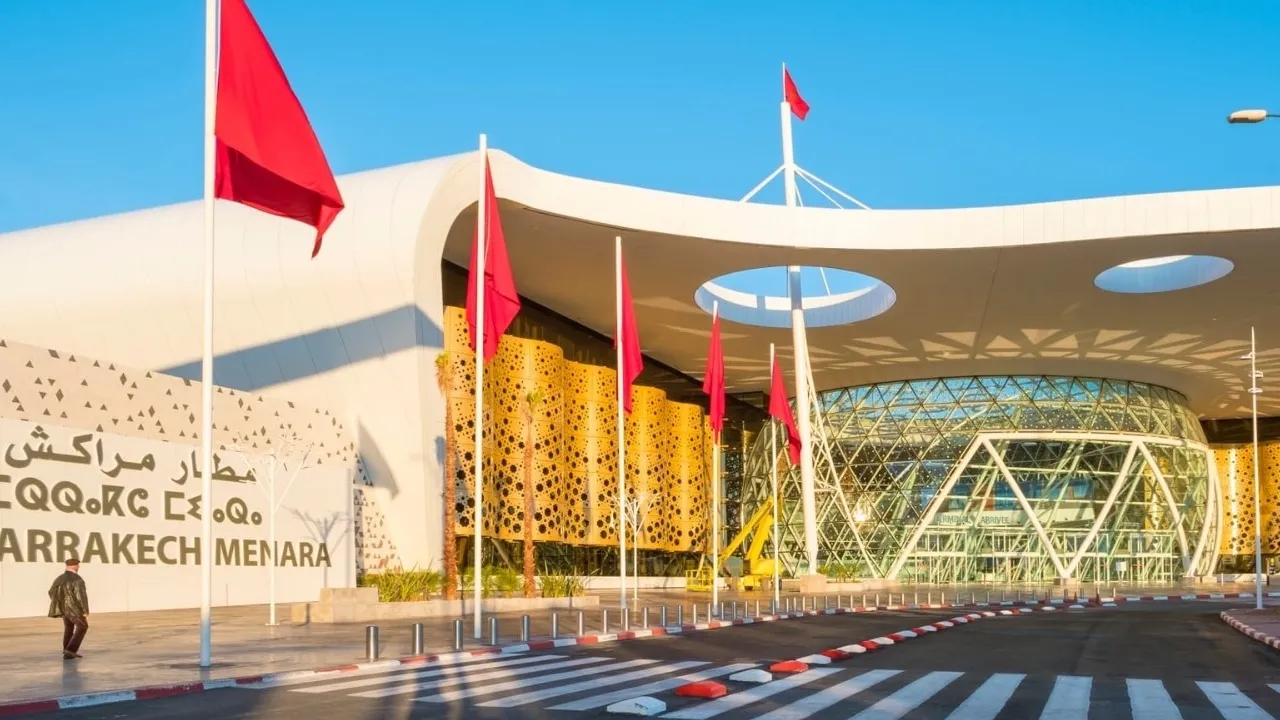

The Revival of Air Travel and Jewish Heritage Tourism
The recent resumption of direct flights between Ben Gurion Airport in Israel and Marrakech, Morocco, marks a significant shift in the aviation landscape, bringing back Israeli travelers who have long been interested in exploring their roots. This development comes after a hiatus of nearly three years, during which Israeli airlines halted flights following the events of October 7, 2023. The renewed air connectivity has reignited interest in Moroccan destinations that combine traditional tourism with rich Jewish heritage, appealing particularly to Israelis of Moroccan descent.
Travel agencies in Israel have reported a notable increase in demand for trips to Morocco, a country known for its vibrant culture and historical Jewish sites. The direct flights were reinstated in August 2026, and reports from the "Times of Israel" indicate a rapid rise in bookings. Despite the Israeli National Security Agency maintaining a travel advisory at level three for Morocco—cautioning against unnecessary travel to southern regions—the allure of Moroccan heritage is proving irresistible. This renewed interest follows the diplomatic relations established in December 2020 under the Abraham Accords, which saw about 200,000 Israeli visitors annually before the flight disruptions.
The so-called "heritage trips" are particularly popular, targeting the approximately one million Israelis with Moroccan roots. These tours focus on historical sites that celebrate Jewish heritage, including synagogues and cemeteries in Marrakech, as well as the city of Fes, linked to the philosopher Maimonides and the Talmudic commentator Isaac Alfasi. Additionally, significant sites in Rabat and Casablanca host the largest Jewish community in the Arab world, numbering between one to two thousand individuals, complete with active synagogues and schools. Despite some anti-normalization protests occurring in various Moroccan cities and ports, tour organizers and the tourism sector in major cities assure that historical and cultural routes operate within a stable and secure environment.
As reported by elaph.com.