The Impact of Misinformation on Migration to Ceuta
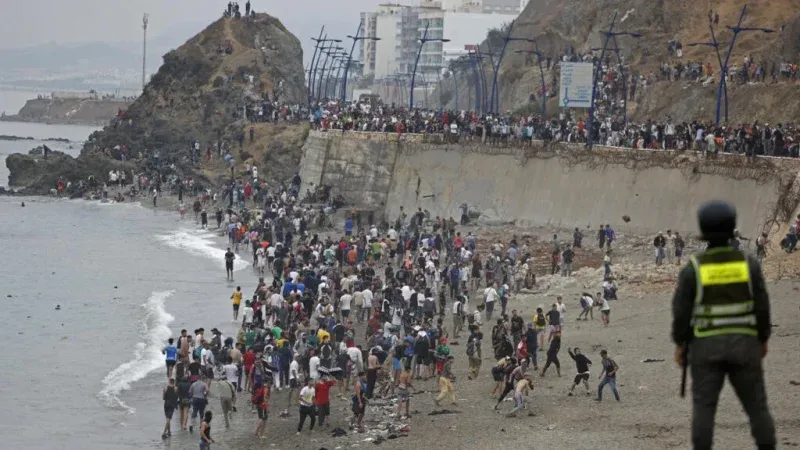
On July 30, 2026, a significant surge of over 60,000 young Moroccans flocked to the Spanish enclave of Ceuta, spurred by a widely circulated rumor across social media claiming, "The Spanish border is open, and one can cross without papers." This miscommunication stemmed from a misinterpretation of a decision made by the Spanish Supreme Court, which had recently tightened the regulations on immediate repatriations of migrants. The vague details of the ruling were distorted online, creating a false sense of hope among those seeking a better life in Europe.
As the news spread, countless families and individuals began traveling toward Ceuta, driven by the promise of unimpeded access. Videos depicting large groups of individuals successfully crossing into the enclave reinforced the narrative, with information circulating about where to obtain waterproof gear for the journey. The term "hrig," meaning to "burn" one's papers, became a trending hashtag, symbolizing the desperation of those willing to risk everything for a chance at a new life.
Legal Misunderstandings and Their Consequences
Three weeks prior to the mass migration, the Spanish Supreme Court had issued a ruling that limited immediate expulsions only to those migrants who had entered the country by climbing border fences, inadvertently leaving those arriving by sea unprotected from immediate return. However, this subtle legal distinction was lost in translation across social media platforms, leading many to believe that merely reaching Ceuta would guarantee them the right to stay. A Moroccan journalist highlighted the significant information crisis in Morocco, noting the weakening of traditional media channels during this tumultuous period.
As families made the perilous journey, many attempted to swim to reach the shores of Ceuta, prompting the Spanish authorities to deploy a floating barrier to prevent further crossings. The situation reached a critical point where individuals, like Ahmed, a 23-year-old unemployed man, expressed their despair and feelings of exclusion from Moroccan society, attributing their journey to misleading messages encountered online. "I am desperate; I cannot find my place in Morocco," he lamented.
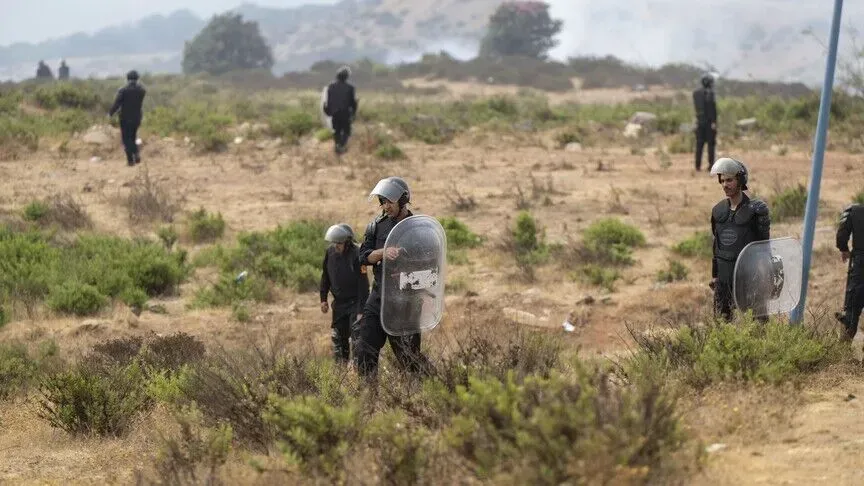
Despite the rapid spread of these rumors, the social media accounts initially responsible for propagating the misinformation have since vanished, complicating efforts to trace the roots of the false narratives. Reports also indicate that Moroccan intelligence agents were identified among the migrants, suggesting a deeper, more complex involvement in the situation. This incident not only highlights the dangers of misinformation but also underscores the existing political tensions surrounding migration and border security in the region.
As reported by information.tv5monde.com.