
The Complex Reality of Elderly Care in Morocco
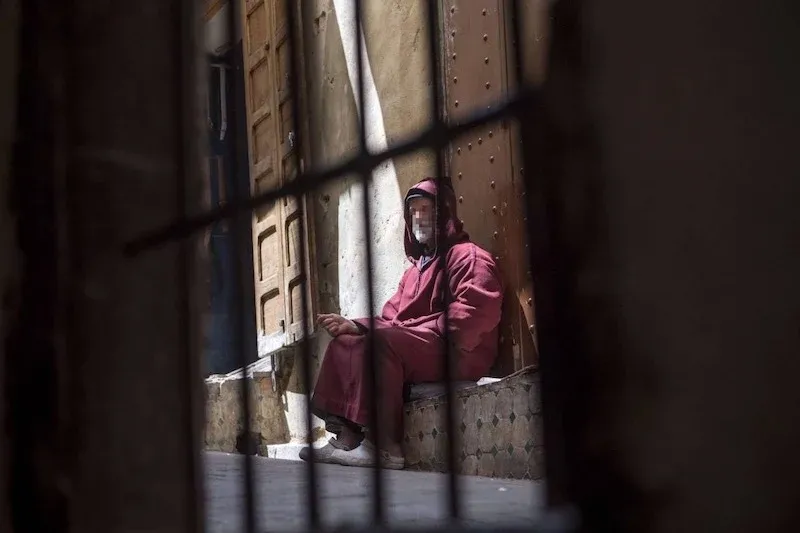
The findings from the "National Family Survey" reveal a nuanced perspective on the status of the elderly in Moroccan society, highlighting the enduring nature of family values that shape relationships within households amidst rapid social, economic, and digital transformations. The data indicates that families remain the primary support system for seniors, with approximately 59.3% of elderly individuals living with at least one child. This support comes in various family structures, predominantly in nuclear families comprising single children (32.3%) and vertically extended families with children (20.4%), as well as single-parent households (6.6%). Conversely, 18.2% of seniors reside in nuclear families without children, while only 5.9% live alone.
The statistics reflect strong familial bonds, as 90.8% of seniors report feeling completely safe within their families, compared to only 68.9% who feel secure outside. Furthermore, 89.1% of seniors believe they are respected within their families, and 70.9% share the same values as their family members. Despite this sense of security, 62.8% of seniors maintain independence in their daily activities; however, reliance on others increases with age, particularly in rural areas, among women, and among lower-income groups. When assistance is needed, 80% of seniors receive support from their immediate family, especially from spouses (36.1%) and daughters (26.8%).
The Economic Challenges Facing the Elderly
Economically, the survey results reveal a precarious situation for many seniors, with pensions serving as the primary income source for only 25.5% of this demographic. There are notable disparities between men (34.1%) and women (17.1%), as well as between urban (33.8%) and rural (10%) populations. Approximately 32.1% of pensioners consider these benefits insufficient to cover their basic needs. Additionally, around 29% of seniors received financial remittances in the past year, with higher rates in rural areas (34%) compared to urban settings (26.3%), and a slight advantage for women (29.8%) over men (28.2%).
Alarmingly, only 9% of seniors reported that their income meets their needs, while 31% lack any source of income, particularly affecting women at a staggering rate of 51.6%. In light of this economic vulnerability, about 64.3% of working seniors feel compelled to continue working past the age of sixty due to the absence of pension support. Despite the centrality of family in their lives, there is a growing awareness of the need for dedicated institutions to care for the elderly, with 47.8% supporting the establishment of care facilities, while 25.4% deem them less necessary and 17.1% consider them unnecessary.
This need is amplified among more vulnerable groups, particularly seniors living alone (59%), those in single-parent households (58.5%), and couples without children (53.3%). The primary expectations from these institutions include the provision of a satisfactory social life (39.7%) and adequate living conditions (34.1%), significantly outweighing the demand for qualified staff (11.1%). In terms of values, the research underscores the family's central role in the representation of Moroccans, viewed as a symbol of continuity and the transmission of values across generations (38%) and as an emotional framework for support and assistance (32%).
Overall, the survey paints a picture of resilient family ties amidst economic hardships, revealing both the challenges and the potential paths forward for improving the lives of seniors in Morocco. As reported by hespress.com.