
The Evolving Role of Resources in National Security
In light of escalating geopolitical crises and disruptions in supply chains, certain resources have transcended their traditional roles as mere economic commodities, evolving into critical components of national security and stability for states. The persistent nature of these challenges has led to an increased recognition of the significance of these resources within the national security frameworks of various countries. This shift in perception is underscored by a recent statement from the White House, which highlighted the disruptions affecting global phosphate fertilizer supply chains and acknowledged that domestic production in the United States is no longer sufficient to meet agricultural needs. In this context, countries like Morocco have emerged as reliable suppliers of phosphate fertilizers, thereby adding a strategic dimension to the decision-making process that surpasses mere commercial considerations.
What stands out in the White House's announcement is not only the acknowledgment of supply interruptions but also the explicit reference to Morocco as a partner capable of ensuring a stable supply of phosphate fertilizers. This raises two pertinent questions: why did the United States specifically choose Morocco, and why at this particular moment? To grasp the rationale behind this choice, one must recognize that Morocco’s mention is not solely due to its abundant phosphate resources—important as they are. Instead, it reflects a confluence of various power dynamics that Morocco has cultivated over recent years. Factors such as political stability, geographical location, and the ability to forge diverse alliances have significantly bolstered Morocco's standing on the international stage.
The Geopolitical Significance of Morocco
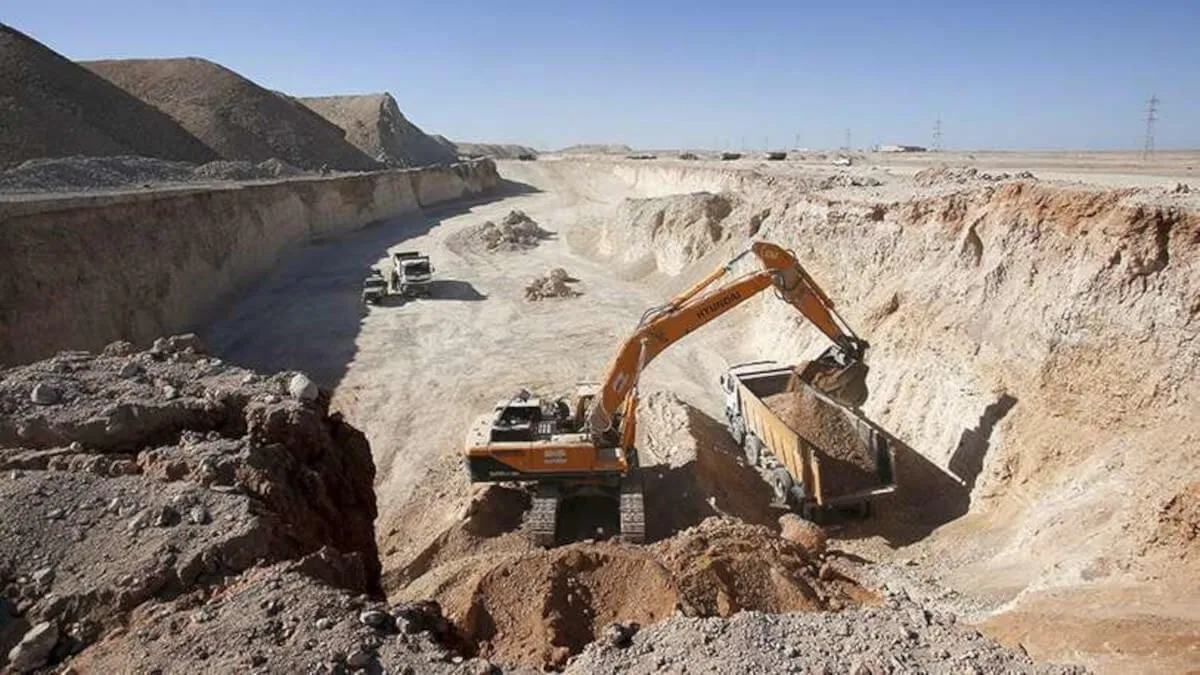
Moreover, the fact that Morocco holds approximately 70% of the world's phosphate reserves lends an additional layer of significance to its role, particularly as the importance of this strategic resource intensifies amid growing food security challenges. Therefore, the inclusion of Morocco in U.S. strategic calculations cannot be attributed to a singular factor but rather to the intersection of multiple power elements that the country has amassed over time. However, a broader perspective reveals that Washington's interest extends beyond just phosphate. Morocco is not viewed merely as a historical partner or a commodity exporter; it is a coastal nation that serves as a vital connection point between Europe, Africa, the Atlantic, and the Mediterranean. Additionally, Morocco boasts significant logistical infrastructure and strategic ports. By 2028, the Atlantic port of Dakhla is expected to officially commence operations, providing access to the interior of Africa and its promising mineral resources tied to technology industry supply chains. This includes the port of Tangier, one of the primary commercial gateways to the Mediterranean.
In light of the lessons learned from the Strait of Hormuz crisis, Washington now considers geography, waterways, and ports as fundamental elements for ensuring long-term supply chains—a priority that rivals the security of resources themselves, especially in a context of increasing international competition for influence in Africa. This dynamic adds further strategic value to Morocco and largely explains its mention in Trump’s statement as a partner contributing stability and reliability. This trajectory aligns with the political doctrine Morocco has pursued over recent decades, characterized by the diversification of alliances, industrial development, and an enhanced presence in Africa, coupled with extensive diplomatic engagement. These actions are not isolated measures but rather part of an integrated strategy that has gradually fortified Morocco's position in regional and international calculations.
Ultimately, the significance of these developments appears less tied to an economic decision and more reflective of Morocco's stature within its regional and international environment. The current international landscape is rapidly evolving, prompting states to operate based on pragmatic criteria aimed at safeguarding their long-term strategic interests, including supply chains and food and national security. Consequently, Morocco's selection in U.S. calculations is not just a trivial detail; it signifies a growing recognition of its strategic location and potential, offering Morocco a valuable opportunity to bolster its presence in the international order and address its major challenges effectively. For Mediterranean and Atlantic leaders, Morocco aspires to be a bridge of communication, information, and understanding among cultures.
As reported by atalayar.com.