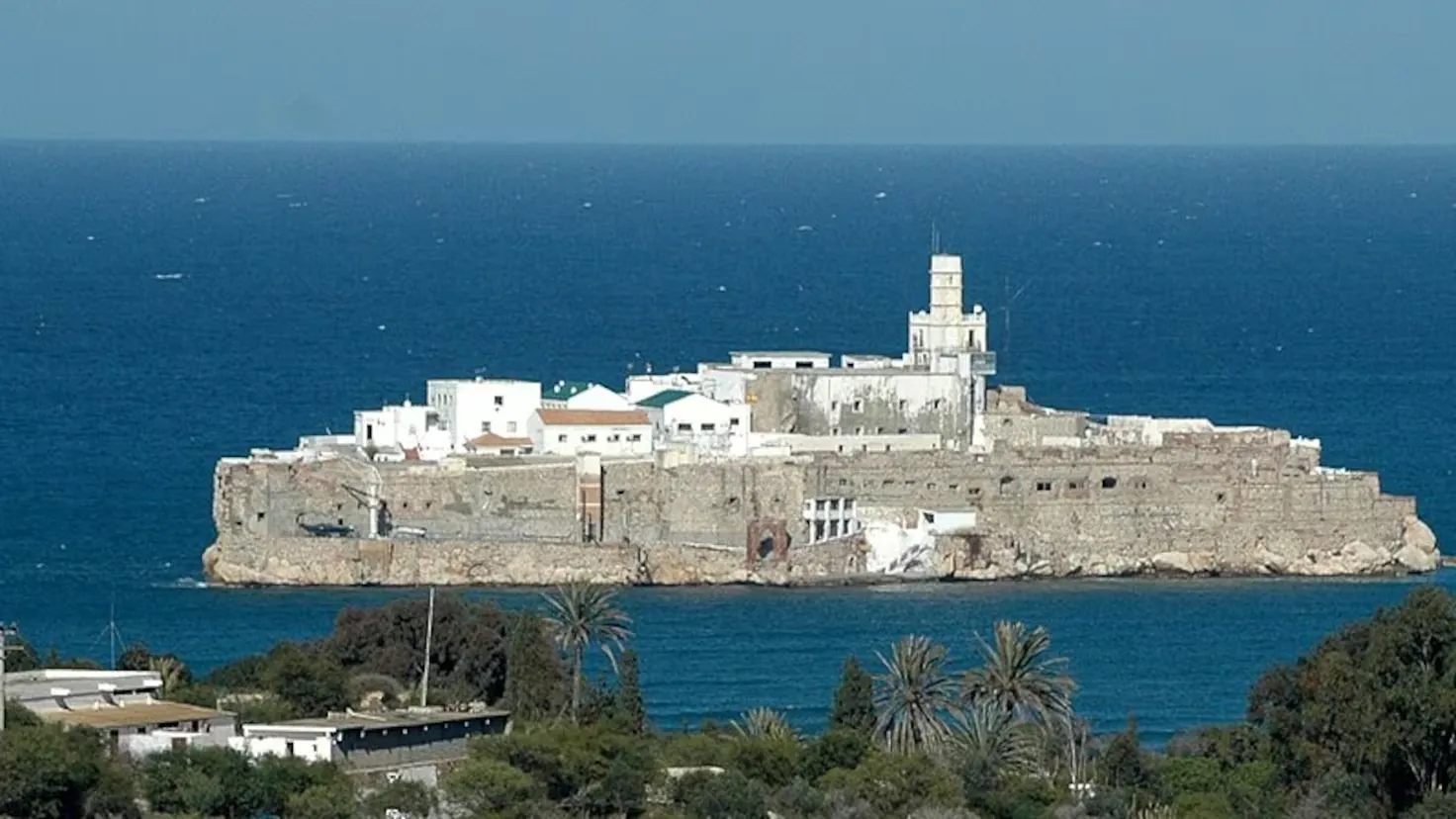

The Alhucemas Islands: A Hidden Gem in the Mediterranean
Located just a few hundred meters off the coast of Morocco, the Alhucemas Islands represent one of the lesser-known Spanish territories. This small archipelago, which once accommodated a population of up to 350 residents, boasts a rich and strategic history that has shaped its significance in regional geopolitics. The islands were integrated into the Spanish crown in 1673 under King Carlos II and have since played various roles, including serving as a political prison for dissidents and exiles.
Today, visitors can still observe remnants of past settlements, including various structures such as a church, a lighthouse, several homes, a port, and a fort with storerooms. Historically, the local population primarily engaged in trade, which contributed to the islands' economic activities.
Political Tensions and Sovereignty Issues
The issue of Spanish sovereignty over these islands has been a sensitive point in the relationship between Madrid and Rabat. Although the Alhucemas Islands have minimal permanent presence today and seldom make headlines, they are classified as part of Spain's ‘plazas de soberanía,’ territories whose ownership is contested by Morocco. This ongoing dispute reflects the historical complexities between the two nations, particularly regarding territorial claims.
Significantly, the islands were also involved in notable incidents, including the 2002 Perejil Island crisis, where Moroccan military forces occupied the islands, prompting a response from Spain. In 2012, a group of immigrants briefly occupied one of the islands, but they were evacuated within days, highlighting the islands' ongoing significance in matters of immigration and territorial integrity.
These remote islands, with their unique history and strategic position, continue to be a focal point in understanding the intricate relationship between Spain and Morocco.
As reported by as.com.