
The Vital Connection Between Morocco and Europe
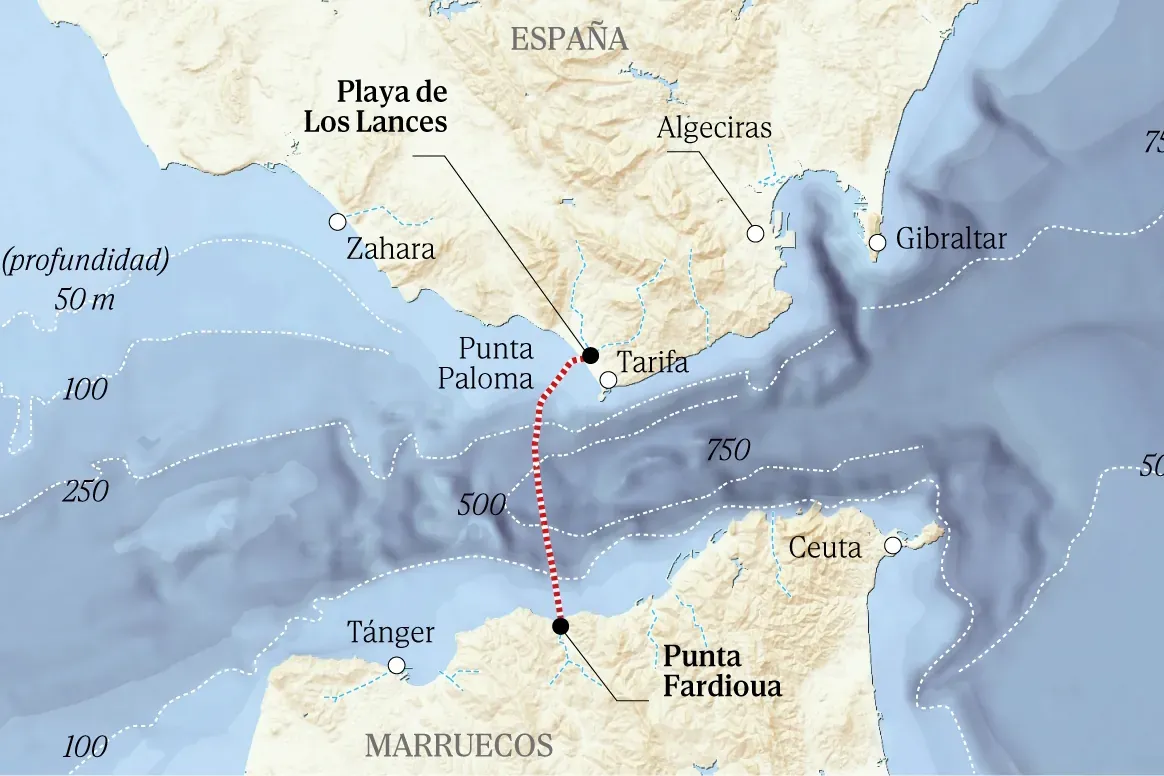
Deep beneath the waves of the Strait of Gibraltar, an intricate network of electrical cables stretches for 29 kilometers, serving as a critical lifeline that connects Morocco to Europe. This underwater conduit functions as a two-way highway for electricity, predominantly facilitating the flow from Spain to Morocco, with a staggering amount of electricity being transported each year. For Morocco, this connection is not merely important; it is essential, as it accounts for approximately 20% of the nation's electricity needs and acts as a vital buffer against potential system failures. The significance of this infrastructure cannot be overstated, as it provides much more than just electricity; it synchronizes Morocco's electrical grid with that of Europe, thus enhancing stability and reliability. Ignacio Urbasos, a researcher at the University of Navarra's Global Affairs, notes that prior to this interconnection, Morocco frequently experienced power outages. The timing of electricity transfers is just as crucial as the amount transferred, as this interconnection ensures that the frequency of Morocco's grid remains stable, acting as a backup during critical moments such as generator failures or sudden demand spikes, allowing for disruptions to be compensated for almost instantaneously.
This underwater highway not only serves as a shield against blackouts for Morocco but also provides a consistent and economical energy supply. Following the diplomatic break with Algeria in 2021, this interconnection has become Morocco's sole powerful link to external electricity sources, rendering the country almost entirely isolated without it. Amid a considerable migration crisis, highlighted by the irregular entry of 70,000 migrants into Ceuta, this electrical link also assumes strategic importance for Spain. Urbasos emphasizes that, unlike gas, the electricity flow is not bound by fixed-term contracts, meaning that Spain theoretically has the capability to unilaterally sever this connection. While such an action would lead to a significant loss of trust, it opens a discussion about the use of energy as a strategic lever in Spain's foreign policy regarding its neighbor.
The Evolution of the Underwater Cable Project
The journey towards establishing this underwater highway began in 1986 amid considerable opposition from local fishermen and residents who raised concerns about the potential environmental impact of electromagnetic fields. Despite these challenges, the cable was operational by 1997, with an initial capacity to transmit 700 MW, enough to power approximately 600,000 households. However, as demand grew, the limitations of this capacity became apparent, prompting discussions between Red Eléctrica, the Spanish electricity management company, and Morocco's ONEE (National Office of Electricity) to enhance the connection. This initiative, known as the REMO Project, was perceived from both Spain and Brussels as a strategic move to promote stability and industrial growth in the southern Mediterranean region, costing 115 million euros, equally shared by both nations.
To lay down the 7,000 tons of submarine cable, unique vessels were employed, and by 2006, the reinforcement of the connection was complete. This upgraded infrastructure has proven invaluable for Morocco, ensuring a reliable electricity supply to remote areas and supporting significant industrial developments such as the Tanger Med hub, which is essential for the automotive and electronics sectors. The improved electrical system has led Morocco to emerge as one of the most reliable systems in Africa, attracting industrial investments and bolstering its economy under the leadership of King Mohamed VI. While the underwater cable has been crucial in restoring the Spanish electrical system after significant outages, its importance for Morocco, in terms of security and supply stability, far exceeds its value to Spain. The ongoing migration crisis has reignited discussions around Spanish foreign policy and the implications of energy interdependence with Morocco. As former officials caution, leveraging energy as a pressure tool could provoke Morocco to prioritize its energy independence, mirroring past tensions seen between Russia and the EU. The delicate balance of energy dependence requires careful navigation to maintain cooperative relations while avoiding unnecessary escalation.
As reported by mundoamerica.com.