Ceuta's Migrant Crisis: A Repeat of Events
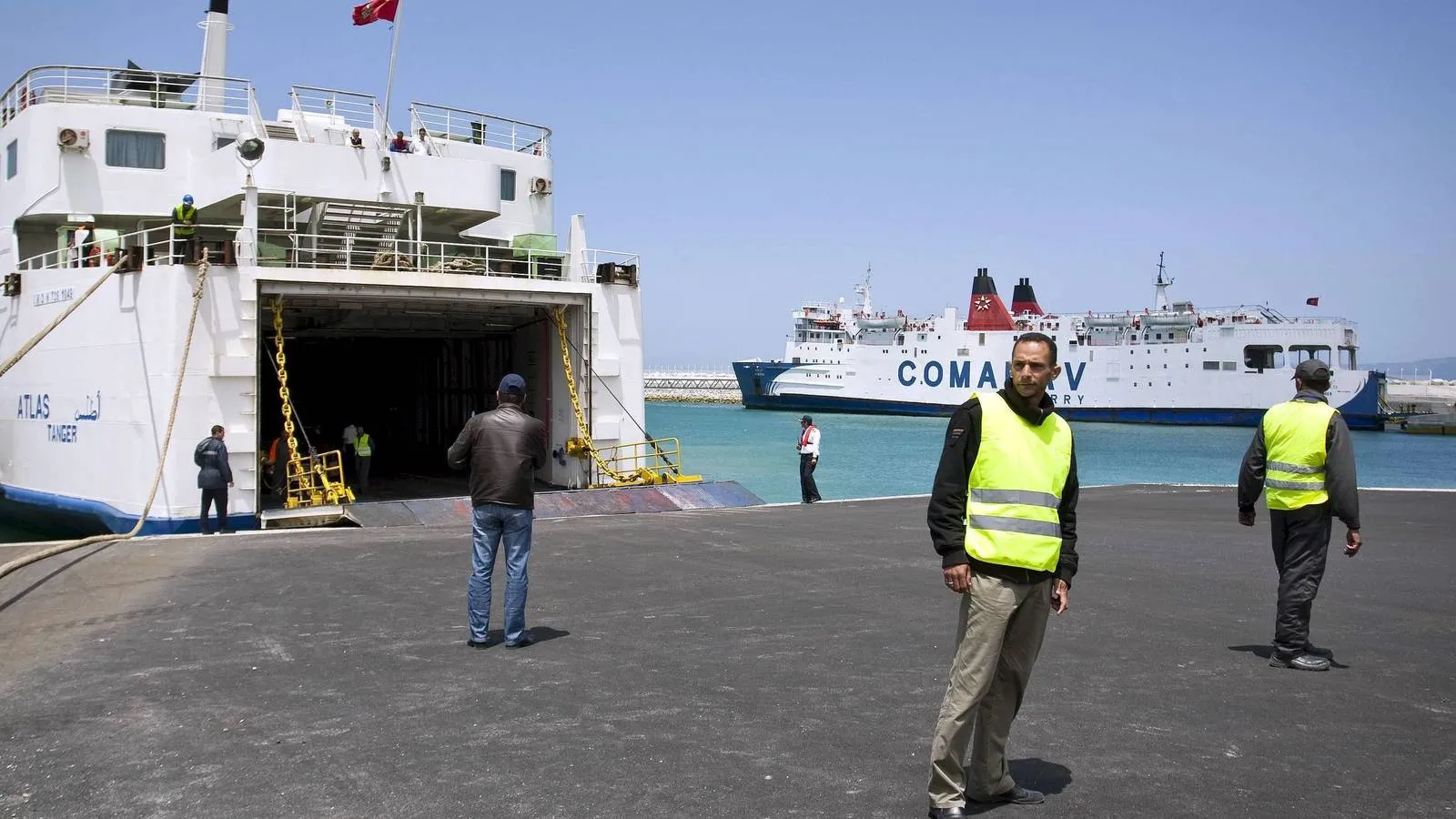
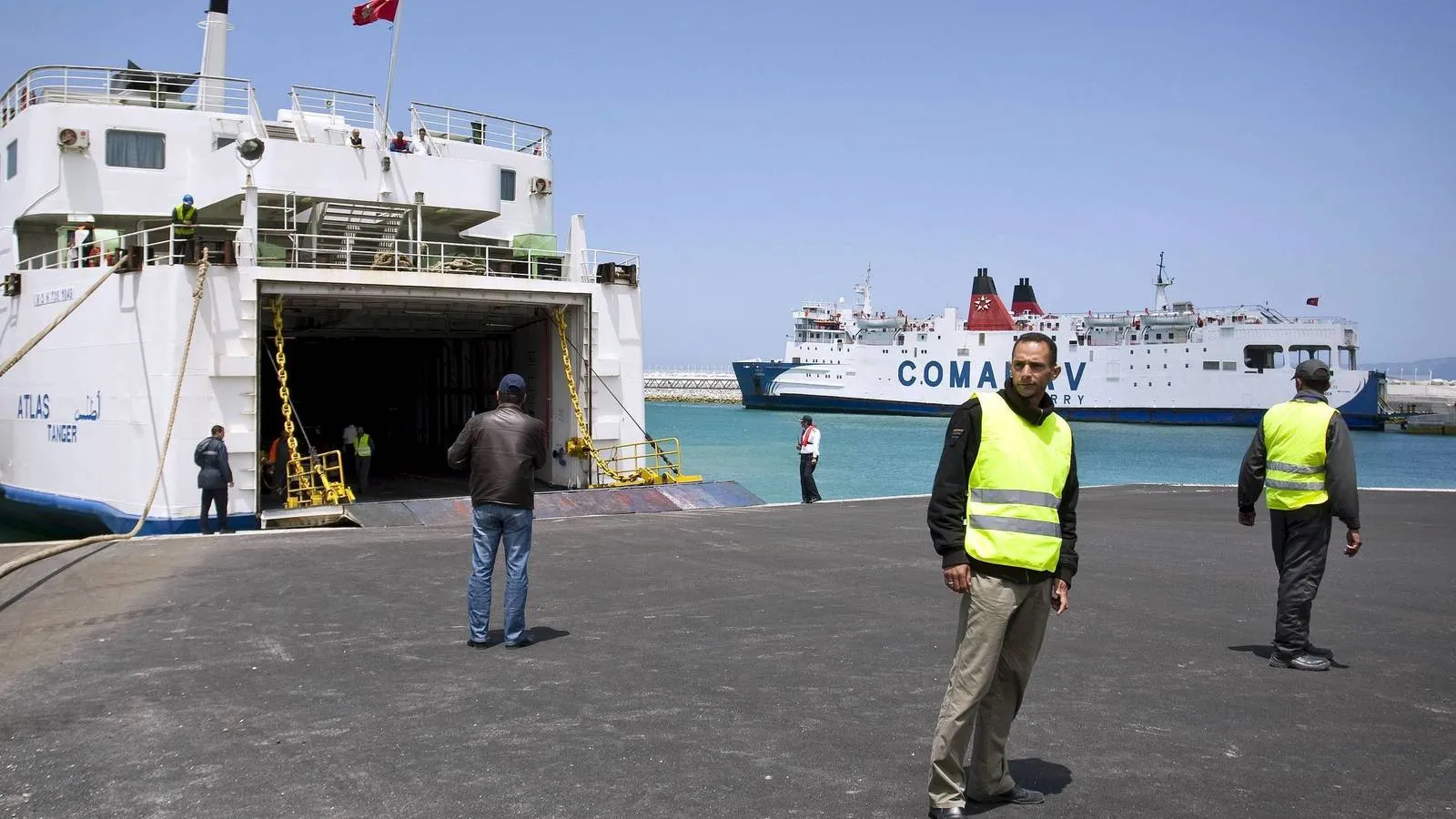
In Tiflet, Morocco, the recent migrant situation has drawn significant attention, albeit without the sensational imagery that often accompanies such crises. Social media accounts had forecasted a surge of migrants attempting to breach the border into the Spanish exclave of Ceuta last Saturday, reminiscent of the chaotic events of July 30, when over 70,000 individuals crossed into Ceuta. In anticipation of this potential influx, both Spain and Morocco ramped up their security measures over the weekend. Ultimately, Moroccan authorities announced that they had intercepted 294 individuals attempting to cross the border.
The intense desire for a better life in Europe is palpable in Morocco, as evidenced by the high demand for shared taxis. Many citizens rely on these communal transport options due to a lack of personal vehicles. In Tiflet, located approximately fifty kilometers east of Rabat, the availability of shared taxis diminished dramatically during the end of July and the beginning of August. Khadidja*, a resident who spends half of her year in France, noted, "Many taxis are absent as they are stationed at the northern border. Rumors circulated that quick money could be made there, prompting many to depart with locals in the area." The events leading up to July 30 were characterized by widespread rumors and discussions on social media and large WhatsApp groups, as tens of thousands prepared for the day of reckoning. In stark contrast, the past week saw no such activity.
In the wake of July 30, various right-wing extremists visited Ceuta, positioning themselves as saviors of Spain amidst the migrant crisis. The likelihood of such occurrences happening unnoticed or without implicit approval in a police-surveilled state like Morocco is quite low. The Moroccan authorities demonstrated their power in two significant ways: by briefly allowing passage through the borders and subsequently blocking movement toward EU territory effectively both before and after the incidents.
The Aftermath: Rapid Return of Migrants
A surprising aspect of the events surrounding July 30 was the astonishing speed with which many of those who entered the exclave returned to Morocco. On August 4, the French news agency AFP reported that of the 72,000 who crossed the border, around 70,000 had already returned. As the summer heat sweltered, with no emergency water rations provided and a hostile atmosphere among Ceuta's residents, many opted to leave voluntarily as the Spanish police, supported by Moroccan forces, began deportations. Remaining in the exclave were primarily unaccompanied minors fleeing domestic violence or street life in Morocco, as well as sub-Saharan migrants who had previously resided in Morocco without legal status. However, the Moroccan border police had permitted only a minimal number of these individuals to cross on July 30, predominantly allowing their own citizens.
The exact numbers of those who remained have sparked a political debate within Spain. Conservative Ceuta President Juan Jesús Vivas (PP) challenged the official count of approximately 3,000 individuals still present, suggesting the number could reach as high as 11,000. Additionally, the precise figure of those who perished while swimming to Ceuta remains unclear, with estimates indicating at least 140 fatalities. The swift return of most migrants did not deter extreme right factions in Spain and across Europe from issuing alarmist warnings of an impending "onslaught" or "invasion." In the days following July 30, various right-wing extremists visited Ceuta, presenting themselves as protectors of Spain.
Notable figures included Santiago Abascal, the leader of the far-right Vox party, who canceled a planned trip to Colombia to visit Ceuta. He accused the Spanish government, led by Socialist Pedro Sánchez, of "high treason" due to the events in Ceuta, calling for Sánchez to be prosecuted. Abascal further demanded the militarization of the border and the cessation of funding for NGOs involved in refugee assistance, claiming they facilitate border crossings. Moreover, the far-right influencer Vito Quiles also appeared in Ceuta shortly after the crossings, drawing both supporters and protests against him. Supporters of the failed European citizen initiative “Save Europe Act” also gathered in Ceuta, advocating for mass "remigration." A protest against the visit of Alvise Pérez, a member of the far-right minor party Se Acabó la Fiesta (The Party is Over), took place on August 8, indicating that many of the right-wing slogans did not resonate as intended among the local populace.
As reported by jungle.world.