
In a remarkable tale that spans over five decades, a man who left Morocco under the identity of another individual continues to grapple with the complexities of reclaiming his true identity while residing in the Netherlands. Despite the Dutch judiciary recognizing his legitimate name, they have declined to amend his administrative documents, leaving him in a limbo of identity.
The saga commenced in 1972 when the man utilized the documents belonging to the son of an acquaintance to facilitate his migration to the Netherlands. This borrowed identity became his reality for many years, and in 1986, Dutch authorities officially recorded his personal information under this alias, taking details from a Moroccan birth certificate that did not belong to him.
As time progressed, the man endeavored to reclaim his authentic civil status. Moroccan authorities confirmed that he was not the individual associated with the documents he had used. Subsequently, he successfully obtained a royal decree from the Netherlands to alter his surname, yet his first name remained tied to the borrowed identity.
The situation became increasingly complicated as his administrative records also listed parents who were not his biological ones. In an effort to rectify these discrepancies and have his Moroccan documents acknowledged, he turned to the courts.
Judicial Recognition and Ongoing Challenges
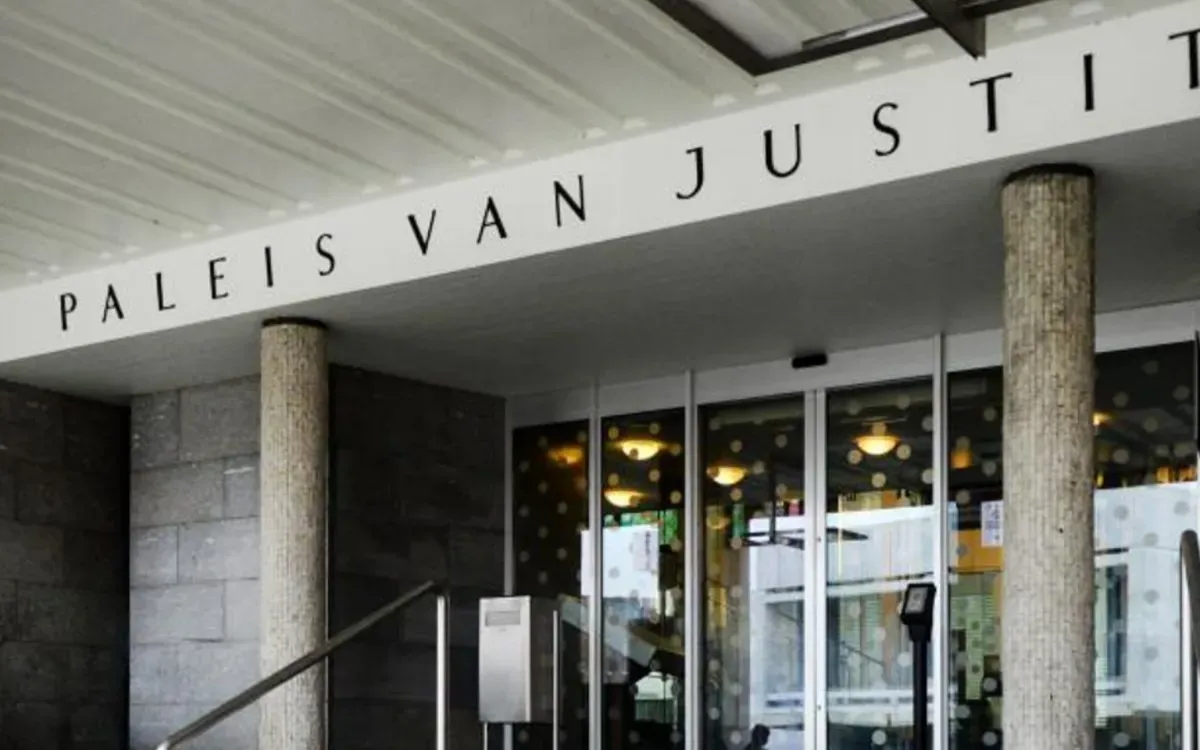
In a significant ruling, the Gelderland court acknowledged the man’s true name on May 12, 2026, underlining that the documentation he provided sufficiently established his legitimate identity. The judges expressed no doubt regarding his explanations; however, a new hurdle emerged. His Moroccan marriage certificate still bore his previous name, leading the judges to worry that changing his civil status could complicate the recognition of his marriage.
Adding to the intricacies of his case, it became evident that contrary to the court’s initial belief, no birth certificate had ever been registered in his name within The Hague's civil registry. In 1986, only the information from the borrowed document was recorded in his administrative file.
Ultimately, in a ruling dated October 7, 2026, the court dismissed his three requests. The judge expressed understanding of his predicament but clarified that he lacked the authority to order amendments to the Dutch population register. Consequently, the man must now approach the relevant municipality, which holds the power to rectify these records. Fifty-four years after leaving Morocco, the quest to restore his true name in Dutch registers continues.
As reported by bladi.net.