
The Hardships Faced by Maghreb Asylum Seekers
Rayan, a 24-year-old Algerian, embarked on a perilous journey from his home country five years ago, only to now face the prospect of being sent back. He is one of many asylum seekers from the Maghreb—Algeria, Tunisia, and Morocco—who find themselves in dire situations upon arriving in Europe. Despite the overwhelming odds against them, including a mere 1% success rate for asylum applications from Maghreb nationals in Switzerland, individuals like Rayan continue to risk their lives in search of better prospects. This article delves into the reasons behind their migration, the hardships they encounter, and the insights from experts on the issue.
Rayan’s journey began when he was just 19 years old, feeling trapped in what he described as a "great prison" of Algeria. He worked as a server and a hairdresser but saw no future for himself. Convinced that Europe held the key to a new life, he crossed the Mediterranean and landed in Italy, eventually arriving in Switzerland where he filed for asylum in late 2022. Initially, he felt hopeful, believing that Switzerland was a peaceful land where he could build a life. However, this optimism quickly faded as he observed the reality of his situation. "I watched people from North Africa come and go. No one stayed. I realized that getting asylum in Switzerland was nearly impossible," he shared.
The Reality of Asylum Seekers in Switzerland
Rayan's experience is not unique; it is reflective of a larger trend among those from the Maghreb seeking asylum in Europe. Recent statistics reveal that 80.5% of asylum seekers from these regions have faced criminal charges during their asylum process. This alarming figure has led to discussions about the systemic issues and frustrations faced by these individuals. According to Beat Stauffer, a journalist and expert on migration from the Maghreb, many young men from lower-middle-class backgrounds lack the educational qualifications needed for stable employment in their home countries, propelling them towards risky migrations. The socio-economic conditions and lack of political freedoms in their home countries contribute to a sense of hopelessness, making the allure of Europe even stronger.
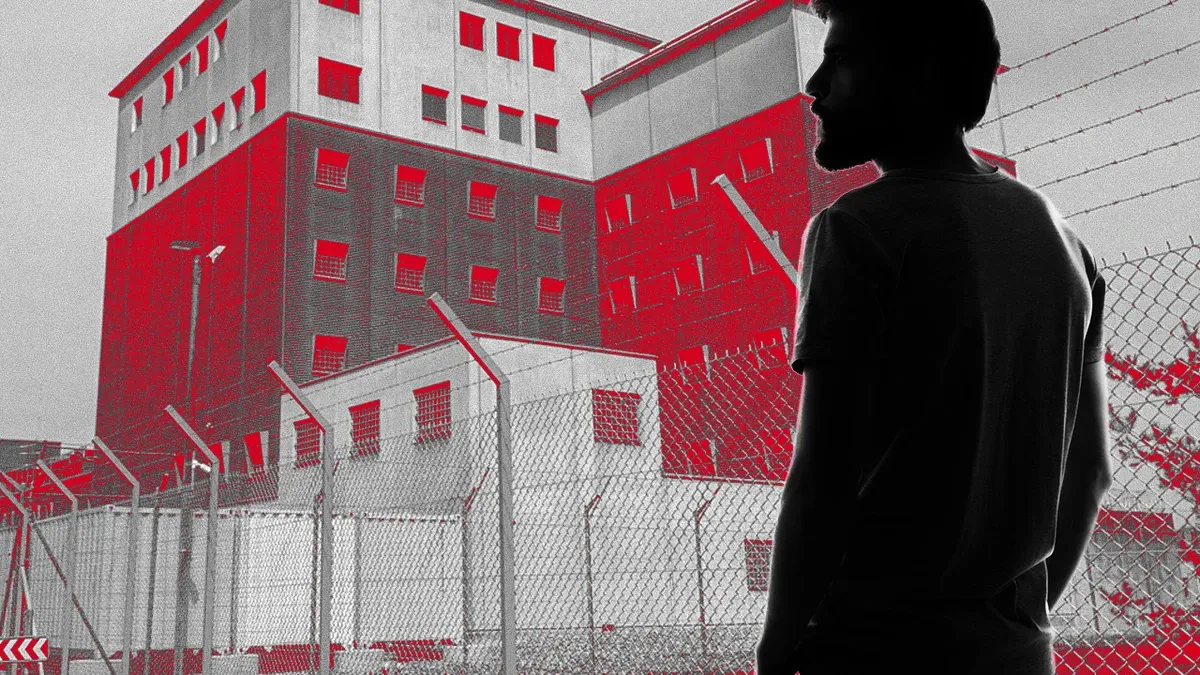
Rayan's struggles intensified after he suffered a violent attack shortly after arriving in Switzerland, leading to significant physical and psychological trauma. When he returned to his detention center from the hospital, he learned of his imminent deportation. "I was completely desperate. I had arrived in Europe by sea, and I wasn't even recovered from my injuries," he recounted. This fear of being returned to Algeria, where he feels lost both physically and mentally, haunts him daily.
The social pressures faced by migrants are immense, with many feeling the need to support families back home. Despite the challenges, the belief persists among those who leave the Maghreb that perseverance will lead to success. For many, the absence of legal pathways to residency forces them into precarious situations, often leading to illegal activities as a means of survival. Rayan articulated this sentiment poignantly, stating, "People want to follow the law, but they lack legal alternatives. They are exhausted and resort to desperate measures. It’s not a life; it’s merely existing."
As the situation evolves, experts like Beat Stauffer advocate for a multifaceted approach to address the root causes of migration and the challenges faced by asylum seekers. He emphasizes the need for Switzerland to enhance cooperation with Maghreb nations and invest in local projects to improve conditions, thereby reducing the need for migration. The recent introduction of expedited asylum procedures for those from North Africa indicates a shift in policy, but many remain skeptical about the effectiveness of these measures. The journey of individuals like Rayan highlights the urgent need for a compassionate and comprehensive response to the ongoing migration crisis.
As reported by watson.ch.