
The dramatic scene of young migrants making perilous swims from Moroccan shores to the Spanish exclave of Ceuta has starkly highlighted the frustrations of a disillusioned youth in Morocco. Approximately one-third of Morocco's population falls within the 15 to 30 age bracket, yet over a third of this demographic faces unemployment. The dearth of viable opportunities at home encourages many young men to take extreme risks in their quest to reach the European Union, leading to tragic outcomes; more than 100 individuals lost their lives during such perilous attempts, primarily due to drowning.
As reflected by the recent parliamentary election in Morocco, the country is still far from mounting a sufficient domestic response to this pressing generational crisis. Following the Arab Spring, Morocco introduced various democratic reforms intended to rejuvenate its monarchical system. However, a decade and a half later, the recent electoral turnout signals a worrisome decline in political trust among young Moroccans. The overall voter turnout for registered individuals was a dismal 38%, marking the lowest participation rate in two decades, while only 19% of those under 35 even bothered to register. Ultimately, less than one in four eligible Moroccan voters cast their ballots, allowing a center-right coalition led by the Authenticity and Modernity party to maintain power. In a political climate characterized by a hybrid democracy, where King Mohammed VI plays a significant role, these numbers suggest that serious issues may be brewing for the future.
It is crucial not to misinterpret the lack of youth engagement in politics as mere apathy. Just a year ago, a Gen Z protest movement orchestrated the largest demonstrations Morocco had seen since 2011, demanding increased investment in essential public sectors such as healthcare and education. Protesters voiced their discontent with the substantial funds being allocated for the preparations of the 2030 FIFA World Cup, which Morocco will co-host with Spain and Portugal. One of the most popular chants echoed in the streets was, "Healthcare first – we don’t want the World Cup." In response to these demonstrations, authorities resorted to mass arrests, with allegations of severe police brutality, leaving hundreds behind bars.
While there is a superficial acknowledgment of the necessity to enhance youth participation in politics, there is little expectation that the king and his new administration will heed calls to reallocate resources from a World Cup event that primarily benefits major cities and an elite minority. The International Monetary Fund has estimated that the expenditures related to the tournament could account for nearly 12% of Morocco's GDP for 2024, with preparations expected to dominate the political landscape in the forthcoming parliament. Notably, the head of the Royal Moroccan Football Federation, Fouzi Lekjaa, has positioned himself as a prime ministerial candidate after aligning with the Authenticity and Modernity party shortly before the elections.
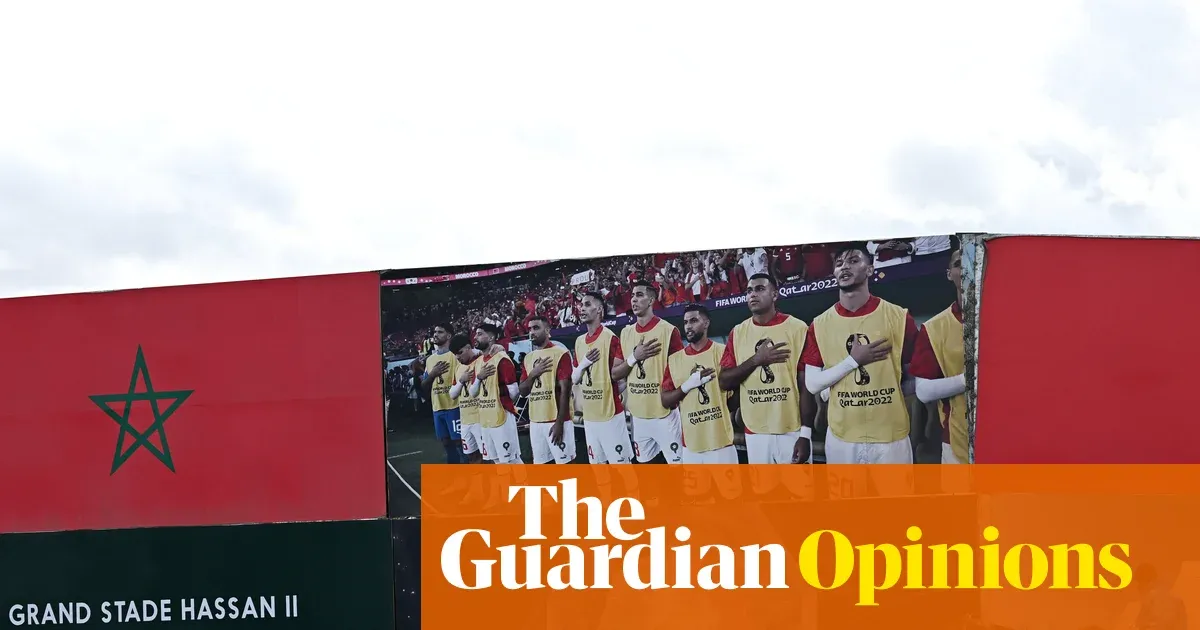
In Ceuta, a humanitarian crisis is unfolding as thousands remain stranded in makeshift camps within the port area. As the world turns its gaze towards Morocco in four years for the World Cup, the Grand Stade Hassan II is projected to become the largest football stadium globally, with the capacity to hold 115,000 spectators. However, for the country's disillusioned youth, there is a growing sentiment that what they truly desire is not the spectacle of international sporting events but rather tangible improvements in their living conditions and greater opportunities for a better future.
As reported by theguardian.com.