
The Digital Spark Behind a Massive Migration Wave
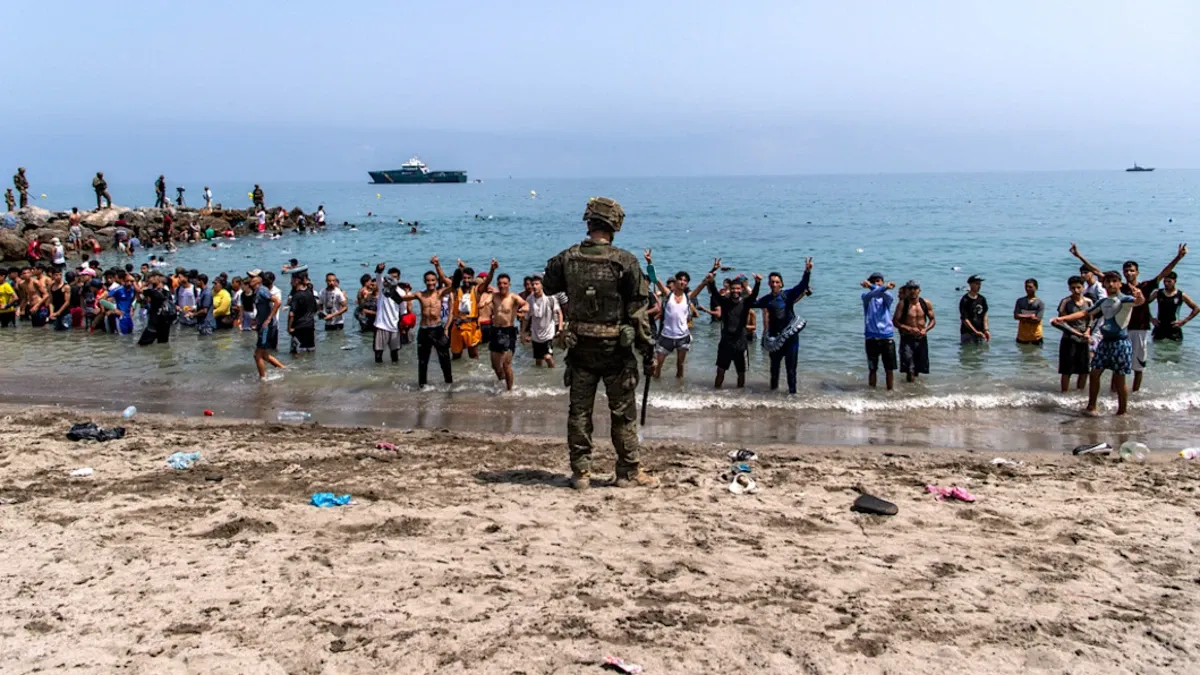
Recently, a surge of migration from Morocco to Spain's Ceuta enclave was ignited by misleading social media posts suggesting that the border was open. This misinformation quickly spread through platforms like Instagram, Facebook, and TikTok, leading many young Moroccans to believe that their dreams of reaching Europe were suddenly within reach. What began as a few posts soon transformed into a mass exodus, with an estimated 72,000 individuals arriving in Ceuta within mere days, marking the largest migration influx in years. Tragically, this wave resulted in the loss of more than 80 lives on both sides of the border, due to drowning incidents and stampedes as desperate migrants sought safety on Spanish soil.
The catalyst for this chaotic situation can be traced back to a video shared by an Instagram account named Haraga Ceuta, which claimed that the border would be open for crossings. This notion resonated deeply with many, especially among the youth of Morocco, who often resort to perilous methods to migrate, including swimming around the five-kilometer breakwater separating the two territories. As more individuals flocked to the area, regional transportation systems, including buses and taxis, became overwhelmed, further facilitating the mass movement towards the Spanish enclave.
Political Repercussions and Misunderstandings
The fallout from the migration surge has not only affected the individuals involved but has also ignited a political debate within Europe regarding migration policies and misinformation. The European Union has initiated an investigation into the factors that led to this unprecedented event, expressing concern over the role of disinformation spread on social media platforms. It remains unclear who was behind the original claims of an open border, as many of the accounts promoting this misinformation have since been deleted, leaving a void of accountability.
Amid the chaos, the situation has been complicated by misunderstandings regarding Spain's recent immigration policies. Some migrants interpreted Prime Minister Pedro Sanchez's measures aimed at regularizing the status of migrants already residing in Spain as an open invitation for new arrivals, leading to further confusion and desperation. Many believed that they would be granted jobs and residency, a promise that was never made. The combination of digital misinformation and misinterpretation of legal measures created a perfect storm, resulting in thousands attempting the crossing simultaneously, rather than in smaller, more manageable groups.
As the dust settles, both Moroccan and Spanish authorities have pointed fingers at each other, blaming smugglers and trafficking networks for the crisis. However, many returning migrants have dismissed these claims, asserting that their motivations were driven by personal desperation rather than organized crime. This reflects a broader narrative regarding youth unemployment and lack of opportunities in Morocco, where nearly 37% of young people are unemployed. As economic conditions remain stagnant, the dream of migrating to Europe continues to be a beacon of hope, albeit a dangerous one. The repercussions of this recent migration event will likely influence future policies and responses from both nations as they grapple with the complexities of migration in the digital age.
As reported by nine.com.au.