
The Circumstances Surrounding Abderrahim Fakir's Death
Before July 19, very few individuals in Italy, aside from his immediate family and friends, were acquainted with Abderrahim Fakir. However, by the end of that fateful day, the final moments of his life had become a focal point of national attention, as harrowing video footage circulated widely on social media. The recordings depicted the 42-year-old Moroccan immigrant, who had resided in Italy since childhood, being forcibly restrained by police in the Pilastro neighborhood of Bologna. As emergency medical personnel stood by, Fakir was pinned to the ground by two officers, pleading for assistance until he ultimately ceased moving. Despite the efforts of the authorities, he was declared dead at the scene, with preliminary autopsy results suggesting the cause of death may have been lung compression due to the restraint.
Public Outcry and Legal Implications
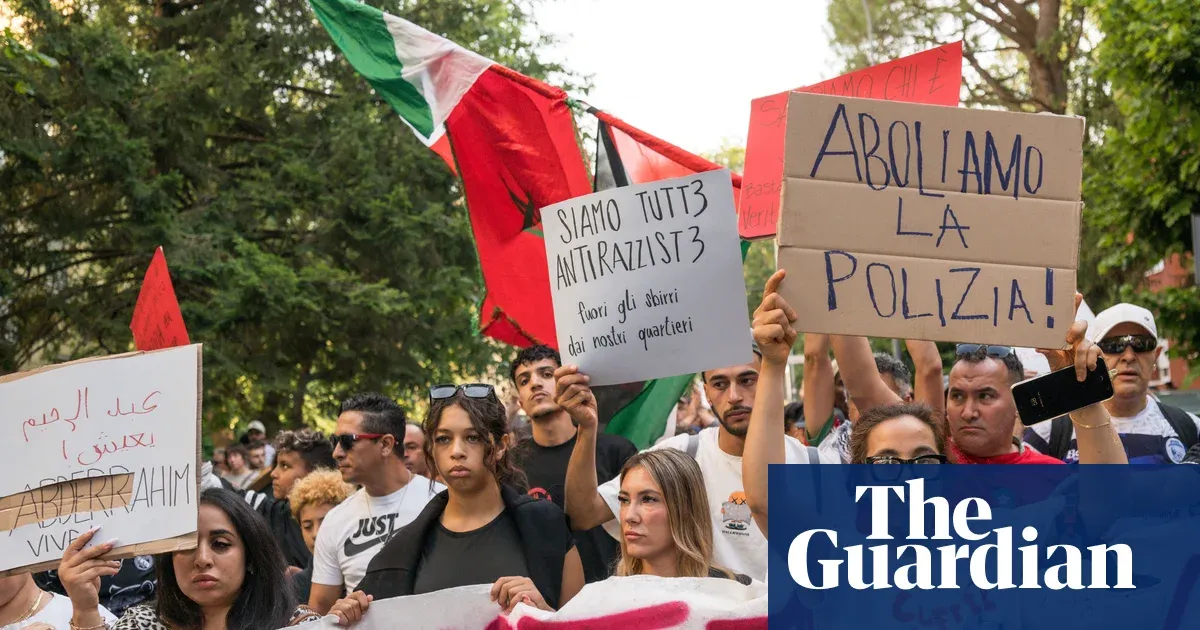
The outrage following Fakir's death extended well beyond the local community, igniting protests in Bologna and Rome and stirring a national discourse regarding the far-right government’s policies on policing and immigration. This incident has also placed a controversial security bill—enacted by Giorgia Meloni’s ruling coalition—under the microscope. Notably, this case marks the first instance in which a newly established legal shield, designed to offer public officials immunity from prosecution under certain circumstances, has been called into question. While investigators in Bologna are probing the actions of the two officers and four healthcare workers linked to the incident, these individuals will not face formal charges unless it can be proven that the use of restraint was unjustified. Legal representatives for the officers assert that they adhered to established protocols, while the healthcare professionals involved maintain they acted in accordance with emergency guidelines. Critics, however, argue that this legal shield undermines accountability, potentially leading to a culture of impunity among law enforcement.
In Pilastro, a neighborhood predominantly inhabited by working-class families—25% of whom are immigrants—Fakir's family and friends express trepidation that political agendas may interfere with the pursuit of justice. A banner prominently displayed in the area reads, “Truth and justice for Fakir – the state kills,” encapsulating the community’s demand for accountability. Friends remember Fakir as a warm and vibrant individual, beloved by both the Moroccan and Italian communities, who often visited Pilastro to maintain connections with his roots.
The events leading up to his death remain murky; police reported responding to concerns about an individual exhibiting erratic behavior and claimed they called for medical assistance, describing Fakir as experiencing a psychiatric episode. Footage captured by bystanders prior to the police's intervention suggests Fakir was in a state of significant distress. Furthermore, it was revealed that he had sought mental health support just weeks prior to his death, yet the circumstances surrounding his treatment and the police's response have raised critical questions about the adequacy of care provided to vulnerable individuals.
Adding to the family's anguish, some factions within the far-right political spectrum and segments of the media have dehumanized Fakir, exploiting his past drug convictions to portray him as merely another troublesome immigrant. In a poignant response, his sister Khadija emphasized his benevolent character and the profound care he showed for those around him. The family’s grief is compounded by the vitriolic comments they face online, and they have resorted to crowdfunding to manage legal expenses, which has further ignited public scrutiny.
As Italy approaches the upcoming elections, the atmosphere is expected to grow increasingly polarized, particularly with Meloni's emphasis on security and immigration policies. Analysts caution that the tragic story of Abderrahim Fakir serves as a stark reminder of the ramifications of such political rhetoric, particularly as law enforcement practices come under heightened scrutiny in the context of migration and social justice. This situation underscores the pressing need for a dialogue on police accountability and the humane treatment of individuals experiencing mental health crises.
As reported by theguardian.com.