
Endless Delays and Frustration on the Agadir-Marrakech Route
The ongoing rehabilitation and maintenance works on the highway connecting Agadir to Marrakech have transformed what was once a swift and secure travel route into a daily ordeal for motorists. Originally designed to facilitate a quick and efficient connection between the Souss region and the heart of Morocco, this vital artery has evolved into a sprawling construction site where traffic flow is perpetually disrupted. Drivers in both directions are facing reduced lanes and increased detours, leading to long queues and significantly extended travel times, as highlighted by _Al Akhbar_ on August 28, 2026.
This deterioration in road conditions has sparked growing discontent among drivers, commercial transport professionals, and bus operators, who are vocal about the stagnation in traffic and the arduous nature of these slow-paced journeys. The situation is particularly critical on segments characterized by challenging terrain, especially the stretch between the Argana interchange and Amskroud. In these steep areas, the weight of heavy vehicles laden with food supplies, fruits, and vegetables severely hampers speed, sometimes forcing trucks to crawl at less than twenty kilometers per hour. This forced slowdown disrupts the entire automotive flow, leaving light vehicles to navigate at a crawl behind long lines of trucks, as reported by _Al Akhbar_.
The Safety and Economic Implications of Delayed Travel
The imposed slow pace on engines, coupled with the strain of prolonged ascents, frequently results in mechanical overheating. It is now a common sight to see private vehicles stranded on the emergency lane, hoods up, waiting for their engines to cool down before they can continue their journey.
Beyond the operational inconveniences and accumulated delays, it is the safety and economic ramifications that have ignited the ire of road users. The Amskroud sector, ominously known for its perilous fourteen-kilometer descent, remains one of the most hazardous points on the national network. The frequent slowdowns, combined with the constant pressure on the braking systems of heavy vehicles during descents, significantly elevate the risk of severe mechanical failures and serious accidents.
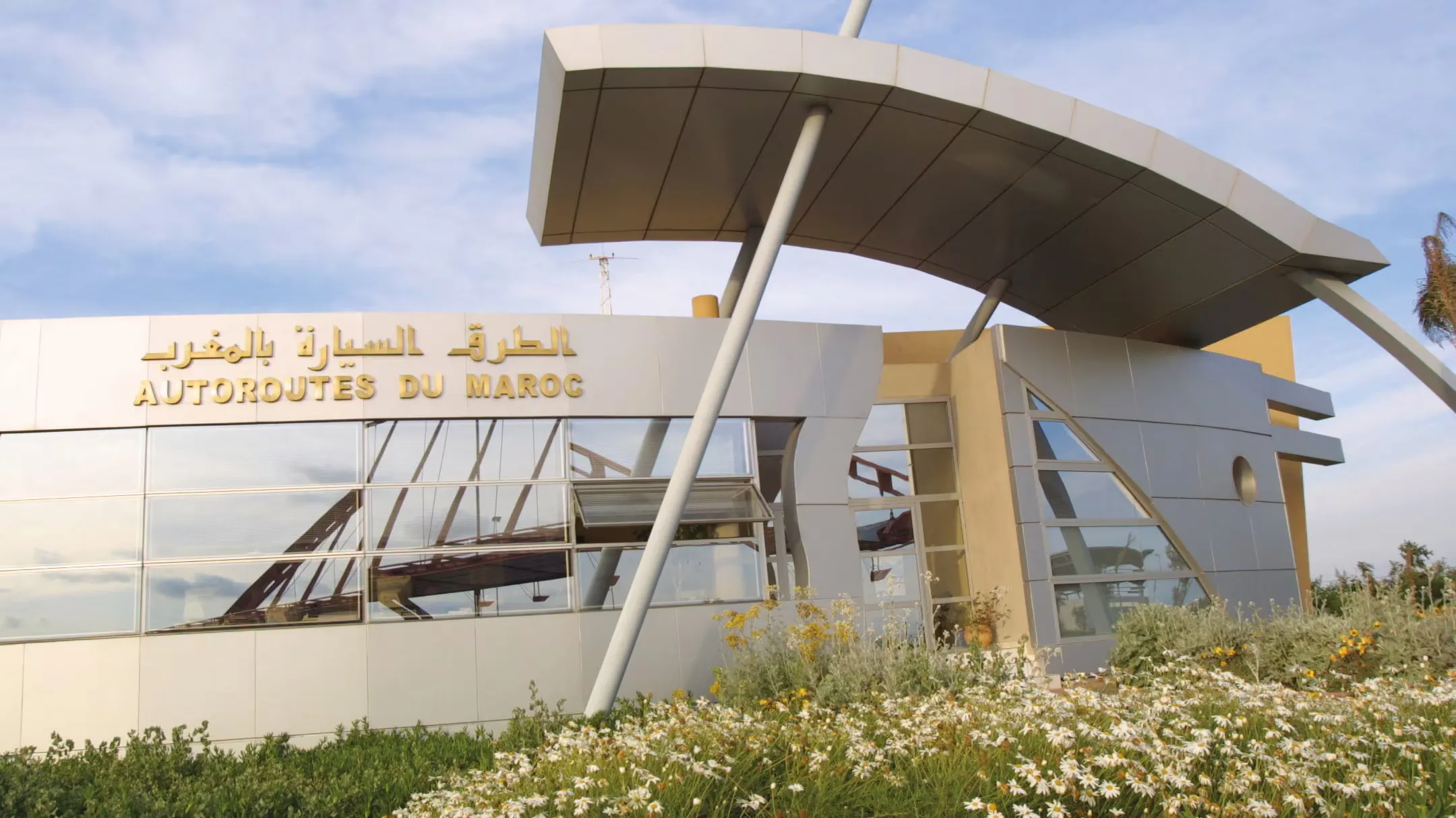
In light of these prolonged adverse conditions, many travelers are opting to abandon the highway in favor of the old national road, believing that the promise of speed and comfort is no longer fulfilled. This shift in preference comes with sharp criticisms directed at the National Society of Highways of Morocco, which faces backlash for maintaining full toll pricing despite services falling far below standard expectations, fueling increasingly urgent calls for either free passage or a revision of toll rates for the affected sections.
As reported by fr.le360.ma.